


The Rise of the Cashmere Uniform
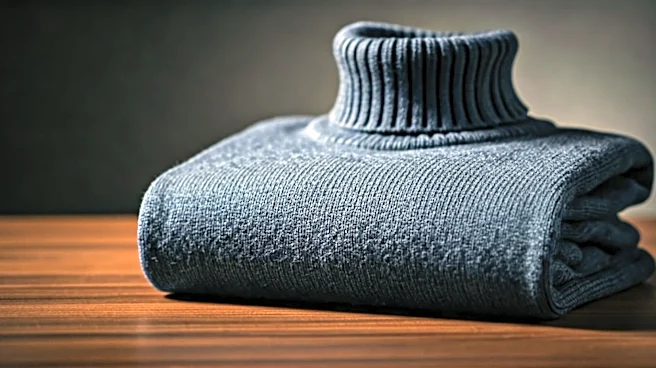
First, let's define the battlefield. 'Soft luxury,' sometimes called 'quiet luxury,' is the dominant aesthetic of the moment. Think of the deconstructed elegance of Brunello Cucinelli, the sublime fabrics of Loro Piana, or the minimalist chic of The Row.
This is clothing defined by what it lacks: sharp angles, visible logos, and rigid formality. It’s the aesthetic of a Silicon Valley billionaire on his private jet, not a Wall Street banker closing a deal. This shift, accelerated by a post-pandemic embrace of comfort, values ease, understatement, and an 'if you know, you know' attitude. In this world of muted tones and relaxed silhouettes, the traditional, structured suit can seem like a relic from another time, an artifact of a bygone corporate world.
Brioni: The Enduring Power of Armor
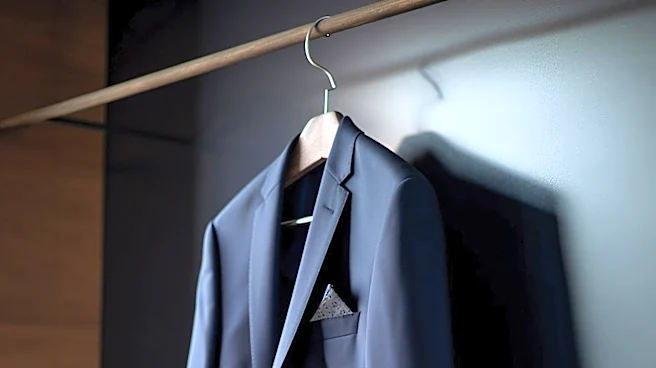
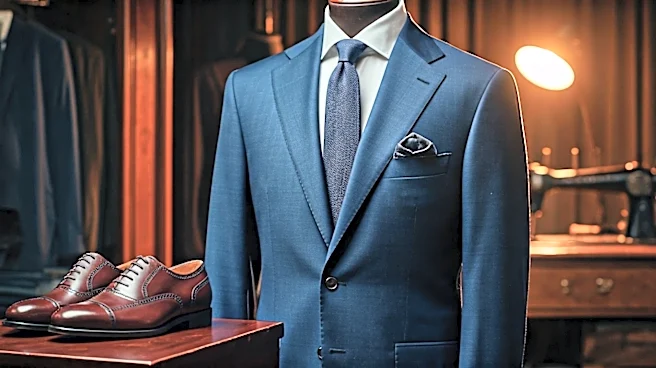
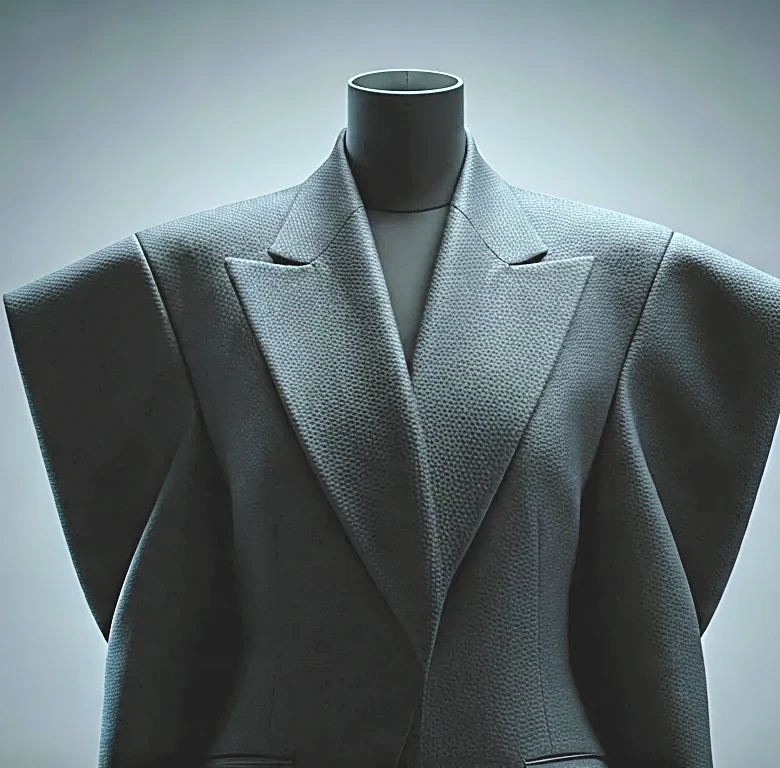
Then you have Brioni. The name itself conjures images of power. This is the brand that dressed James Bond (from GoldenEye to Casino Royale), crafting a masculine ideal built on a strong, structured Roman silhouette. A Brioni suit is architectural. It has a padded, defined shoulder that builds up the wearer's frame, a clean chest, and a tapered waist. It’s not clothing; it's armor for the modern gladiator of the boardroom or the gala. While other brands chased trends, Brioni, now under the stable ownership of Kering, has largely doubled down on what it does best. They understand that their client isn't buying a suit for daily wear. He’s buying it for the moments that count. In an ocean of casualization, putting on a Brioni suit is a deliberate act. It signals that an occasion is important, that you are taking it seriously, and that you command the room. They’ve expanded into luxurious leisurewear, yes, but the heart of the brand remains the suit as a statement of intent.
Kiton: The Art of Impeccable Softness
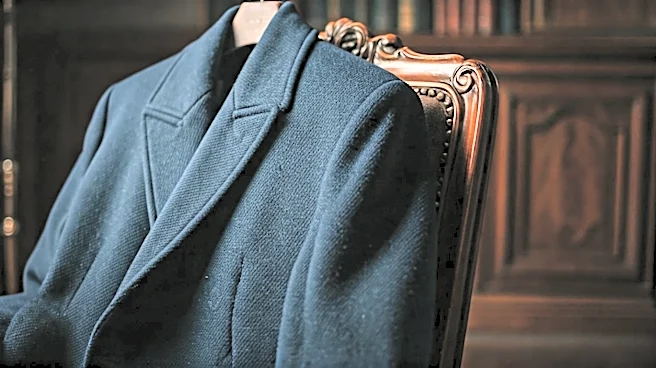
If Brioni is Roman armor, Kiton is the soulful art of Naples. To lump it in with 'hard luxury' is to miss the point entirely. Kiton has been practicing a form of 'soft luxury' for decades, just in a different dialect. A Kiton jacket is famous for its Neapolitan shoulder (*spalla camicia*), which is completely unpadded and sewn like a shirt sleeve, offering unparalleled comfort and freedom of movement. The brand’s philosophy is built on obsessive handwork—a single suit can take dozens of hours and pass through the hands of multiple artisans—and a fanatical devotion to fabric. They buy the finest wools, cashmeres, and vicuñas in the world. A Kiton suit is soft in construction but incredibly 'hard' in its uncompromising standards. It doesn’t build a new silhouette for the wearer; it drapes perfectly over his existing one. For the Kiton customer, luxury isn't about projecting power, but about experiencing a level of craftsmanship and comfort that is, in its own way, a fortress against mediocrity.
The New Meaning of Formality
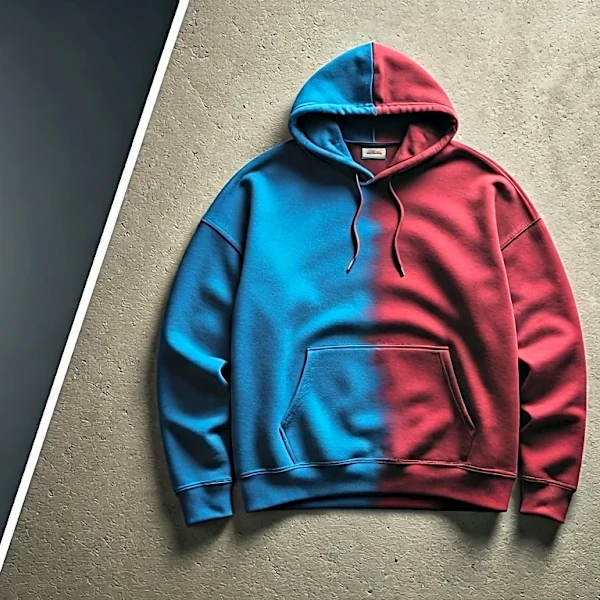
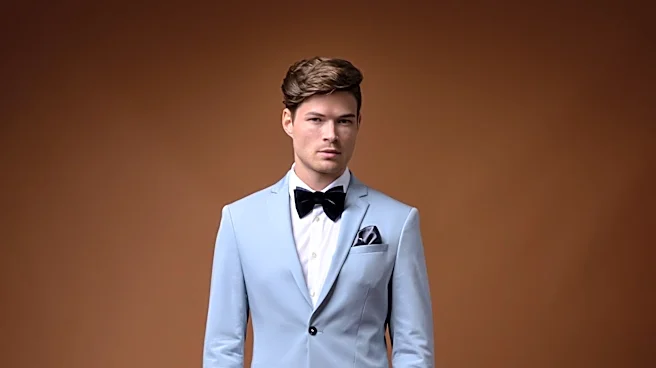
So, why do they still matter? Because as the world becomes more casual, formality gains new power. When everyone is in a hoodie, the man in a perfectly tailored suit stands out more than ever. He isn’t just dressed up; he’s making a choice. Brioni and Kiton matter because they represent the two poles of this choice. Brioni offers the choice of structure, power, and presence—a visible assertion of importance. Kiton offers the choice of sublime, personal comfort and artisanal perfection—an inward-facing luxury that doesn't need to shout. They aren't competing with the 'soft luxury' brands of the moment; they are the benchmarks that created the very desire for superlative quality. They provide the sartorial anchors in a world of fleeting trends, proving that true craftsmanship—whether it’s a strong shoulder or a hand-sewn seam—never goes out of style.