






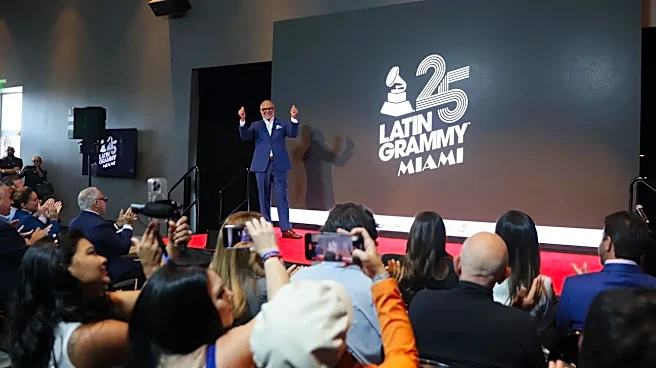


When an electronic artist takes the Latin Grammy stage, the real magic isn't just the light show. It's the invisible web of production decisions that can make or break a career in three minutes, turning a studio track into a global moment.
The Three-Minute Audition for the World
A slot on the
Latin Grammy Awards broadcast is more than just a performance; it's the most important job interview an artist might ever have. For genres built in the studio, like electronic music, this televised moment is a rare chance to connect with a massive mainstream audience that might not frequent clubs or festivals. With the 27th annual ceremony broadcasting live from Las Vegas on November 12, the stakes are incredibly high. A well-produced performance can lead to a significant spike in streaming numbers, new fans, and lucrative collaborations. But a flat, uninspired, or technically flawed set can reinforce the unfortunate stereotype of a DJ just 'pressing play,' potentially undermining both the artist and the genre's legitimacy on a prestigious stage. The production isn't just about sound; it's about translating a personal, often solitary creative process into a shared, spectacular experience.
From Laptop to Live Spectacle
One of the biggest hurdles for electronic artists is making their performance visually and sonically dynamic. Unlike a rock band with flailing guitarists or a pop star with intricate choreography, many electronic musicians create their work alone on a laptop or with a modest hardware setup. Production choices are therefore crucial to making the performance feel 'live'. This involves deciding what elements will be pre-sequenced and which will be manipulated in real time, such as triggering samples, tweaking filters, or live looping. For the 2026 nominees—a diverse group including the Fred Again.. remix of a track by Argentine duo Ca7riel & Paco Amoroso, and Mexican electro-rock pioneers Kinky—the challenge is to build a performance that feels both authentic and larger-than-life. Will they bring in live vocalists, add instrumentalists, or use custom controllers that make their digital manipulations more physical and visible to the audience? These decisions are fundamental to proving their musicianship.
The Authenticity Tightrope
The electronic music world has long debated what constitutes a 'real' live performance. For a broad Grammy audience, seeing is believing. Production that emphasizes physicality—an artist actively twisting knobs, playing a keyboard, or using a haptic instrument that provides touch-based feedback—can build a stronger connection and sense of legitimacy. The goal is to make the performance feel like it's evolving in the moment, rather than just being a playback of a finished track. It’s about creating an experience that feels unique to that night. This can be achieved through techniques like real-time audio processing, where an instrument's sound is transformed live, or by leaving room for improvisation within the song's structure. It’s a delicate balance between the flawless sound expected on television and the raw, unpredictable energy that defines a compelling live show.
Crafting the Sound for a Global Stage
Beyond the visuals, the sonic production itself is paramount. A mix that sounds powerful in a club may not translate well to television broadcast or the variety of home speaker systems viewers will be using. Live sound engineers and producers must make critical choices about the mix: ensuring the kick drum hits hard without overwhelming the broadcast, that delicate synth textures aren't lost, and that any live vocals cut through with clarity. The use of immersive or spatial audio can also create a more three-dimensional experience for those watching on supported devices, making the performance feel more enveloping. With the Latin Recording Academy only recently adding an electronic performance category, these early televised showcases are setting a precedent, defining how Latin electronic music is perceived on one of music’s biggest nights. A powerful, clean, and dynamic sound doesn't just make the song better; it makes the genre feel more at home on the world stage.