






What Is Fluorescence, Anyway?
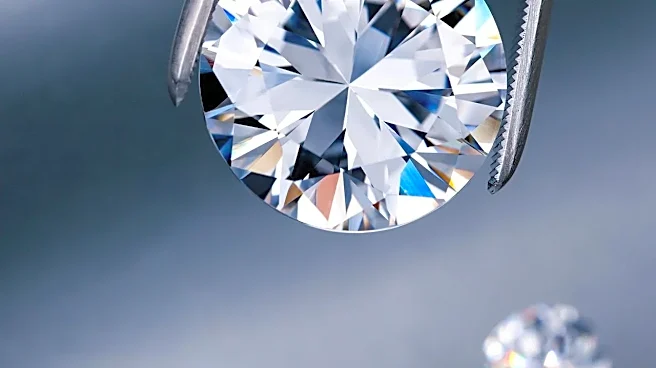
Diamond fluorescence is the glow a stone emits when exposed to ultraviolet (UV) light, like that from the sun or a blacklight. It’s a natural characteristic found in about 25% to 35% of all diamonds. The glow is usually blue, but can occasionally be yellow
or another color. The phenomenon is caused by trace elements, like nitrogen, that were trapped inside the diamond as it formed deep within the earth. When UV rays hit these elements, they absorb the energy and re-emit it as visible light, creating the glow. As soon as the UV source is removed, the glow stops. It's not an artificial treatment or a sign of a fake diamond; it's an inherent part of the stone's identity.
The Myth: It's Always a Flaw
The most common misconception is that fluorescence is always bad. Many shoppers see it on a grading report and immediately disqualify the diamond, believing it’s a defect that will make the stone look cloudy or cheap. This belief is so pervasive in the market that diamonds with strong fluorescence are often priced lower than comparable stones without it. However, the idea that fluorescence is an automatic deal-breaker is one of the costliest myths in diamond buying. The Gemological Institute of America (GIA), the world's leading authority, has conducted extensive studies and found that for the vast majority of diamonds, fluorescence has no noticeable effect on appearance.
The Reality: It Can Actually Help a Diamond
Here’s the inside scoop: not only is fluorescence usually harmless, but it can sometimes make a diamond look even better. This is especially true for diamonds in the near-colorless range (G to M color grades). These diamonds have a faint yellow tint. Because the most common fluorescent glow is blue—the complementary color to yellow—it can neutralize the warmth and make the diamond appear whiter and brighter. A diamond with an I or J color grade that has medium blue fluorescence can look more like a more expensive H color grade in daylight, giving you a visual upgrade at no extra cost. For these diamonds, fluorescence is a feature, not a bug.
When to Be Cautious
While largely misunderstood, fluorescence isn't something to ignore entirely. In a very small percentage of cases—typically with stones that have Very Strong fluorescence—the glow can give the diamond a hazy or oily appearance. This effect is rare, and GIA studies note it occurs in less than 0.2% of fluorescent diamonds submitted. It’s also more of a concern in high-color diamonds (D, E, and F grades). For these colorless stones, there is no yellow tint to counteract, so a strong blue glow offers no benefit and carries a slight risk of causing milkiness. This is why the market tends to discount these stones more heavily.
Your Smart-Buyer's Checklist
So, how do you use this knowledge to your advantage? First, don't automatically dismiss a diamond because it has fluorescence. Instead, consider its color grade. If you're looking for a great value in the G-K color range, a diamond with Medium or even Strong blue fluorescence could be a savvy purchase, making the stone appear whiter for less money. If you're considering a diamond with Strong or Very Strong fluorescence, the rule is simple: trust your eyes, not just the report. Whenever possible, view the stone in person and under different lighting conditions, including natural daylight, to see if you notice any negative effects. If it doesn't look hazy or oily to you, then you may have found a beautiful stone at a significant discount.