





The Curse of Continuity Homework
Let’s be honest: the biggest barrier to entry for modern cinematic universes isn’t a lack of interest, it’s the homework. The later phases of the MCU and the tangled web of the former DCEU created a sense of obligation. To understand film X, you had to have
seen films A, B, and C, plus two streaming series. This approach rewards die-hard fans but actively punishes casual viewers—the very audience a blockbuster needs to thrive. It turns a trip to the movies into a research project. The previous DC film slate was a prime example of this problem. Wondering why Steppenwolf was suddenly spikier in the Snyder Cut or how a resurrected Superman remembered anything required a deep dive into forum posts and director interviews. It was exhausting. For the new DCU to feel like a genuine fresh start, it has to break this cycle. It must deliver films that stand on their own two feet, offering a complete, satisfying experience for anyone who buys a ticket, regardless of their background knowledge.
A Perfect On-Ramp for a New DCU
Supergirl is the perfect character to pioneer this new philosophy. While she has a rich comic history and a beloved TV show adaptation, she doesn't carry the heavy cinematic baggage of a Batman or Superman, who have been rebooted and reinterpreted ad nauseam. There isn't a definitive big-screen version of Kara Zor-El that looms over this new project. This is a massive advantage.
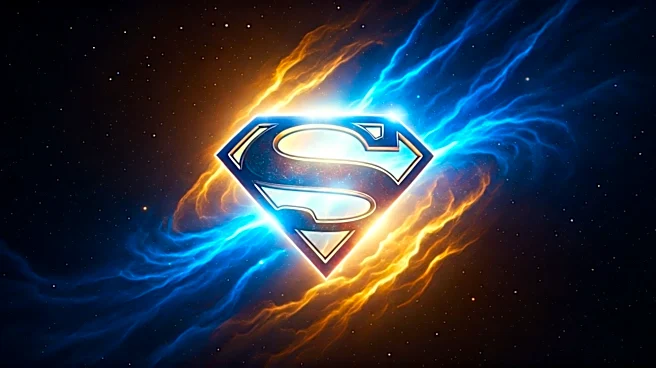
James Gunn has described his upcoming *Superman* film as the spiritual launch of the DCU, with *Supergirl: Woman of Tomorrow* following it. By making *Supergirl* an accessible, powerful standalone story, Gunn and his team can send a clear message: this universe is built on great characters in great films, not on an intricate flowchart of plot connections. It’s an opportunity to onboard a whole new generation of fans who may have felt alienated by the continuity overload of the past decade. A self-contained epic about a powerful, emotionally complex hero is a far more compelling invitation than another post-credit scene teasing a villain you need a wiki to understand.
Trust the 'Woman of Tomorrow' Source
The best news is that the film already has the perfect blueprint for this approach: Tom King and Bilquis Evely’s comic series, *Supergirl: Woman of Tomorrow*. The book itself is a masterclass in telling a contained, character-driven story that feels both epic and deeply personal. It takes Kara Zor-El, celebrating her 21st birthday on a planet with a red sun, and throws her into a gritty, cosmic western alongside a young alien seeking vengeance.
The story works because it’s not about setting up the next big crossover event. It’s about exploring who Supergirl is when she’s not in Superman’s shadow. It examines her trauma, her power, and her capacity for hope and rage. The brilliance of King’s narrative is that it uses established DC lore as texture, not as a barrier. You don't need to have read 50 years of *Action Comics* to understand her pain or her purpose. By simply adapting the spirit and structure of this incredible comic, the filmmakers have a ready-made path to a movie that requires no prior study.
Building a Universe, Not a Checklist
A successful cinematic universe is a happy byproduct of successful films, not the other way around. The original *Iron Man* worked because it was a phenomenal movie, not because it ended with Nick Fury holding a pamphlet for 'The Avengers Initiative.' *Wonder Woman* (2017) was a cultural phenomenon because it told a complete, inspiring origin story that resonated with millions. These films made you *want* to see more of their worlds and characters; they didn’t demand it.
That’s the model *Supergirl* must follow. It needs to be the DCU’s proof of concept that character and story come first. Let the film be a breathtaking space adventure that stands on its own. Let audiences fall in love with Milly Alcock’s portrayal of a tougher, more world-weary Kara. If the movie is great, the connections will feel earned and exciting when they eventually happen. But if it feels like just another piece of a puzzle—a commercial for the next movie—it will signal that the new DCU is simply making the same mistakes as the old one.