







The Search for the 'Third Place'
For decades, sociologists have talked about the importance of the “third place”—somewhere that isn’t home (the first place) or work (the second), but a neutral ground where community is built. Think coffee shops, pubs, and public libraries. In an era
of remote work, endless streaming services, and social atomization, the need for these spaces has become more acute than ever. Public viewings transform a city square or park into a massive, temporary third place. The experience isn't just about what's on the screen; it's about the shared energy. A collective gasp during a last-minute fumble, a unified cheer for a winning goal, or a shared laugh during a movie—these are moments of connection that simply can't be replicated by a group chat. After years of curated isolation, the raw, spontaneous, and slightly chaotic energy of a crowd feels like a vital antidote.
An Unbeatable Economic Argument
Let’s be honest: going out is expensive. A ticket to a professional sports game can easily run into the hundreds of dollars for a family, before you even buy a hot dog. Concerts and movie tickets are not far behind. Public plaza viewings offer a compelling counter-proposal: world-class entertainment for the low price of free. This democratic access is a huge part of the appeal. It allows people from all walks of life and income levels to participate in a major cultural moment without a financial barrier. For cities, it’s a smart investment. Hosting a viewing party is far cheaper than building a new stadium, and it activates public spaces, encourages spending at local businesses, and fosters a sense of civic pride. It’s a win-win that makes community-building both accessible and economically sound.
It's More Than Just the Big Game
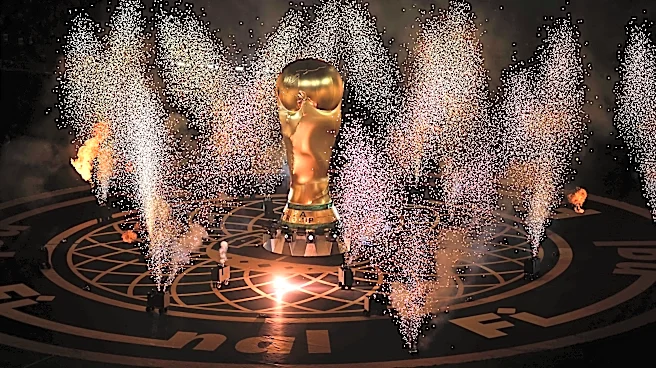
While major sporting events like the World Cup and the Super Bowl are the most obvious drivers of this trend, the potential is much broader. Cities and developers are realizing that the infrastructure for these events—large screens, quality sound systems, and open space—can be used for a wide range of programming. Imagine plazas filled with people watching the season finale of a blockbuster TV show, the Academy Awards, a major political debate, or even a NASA rocket launch. Some cities are already programming outdoor movie nights, streaming popular video game championships like the League of Legends World Championship, or showing simulcasts of sold-out symphony performances. This versatility ensures that plazas don't just come alive four times a year for a championship series, but can become consistent cultural hubs for the community.
If You Build It, They Will Gather
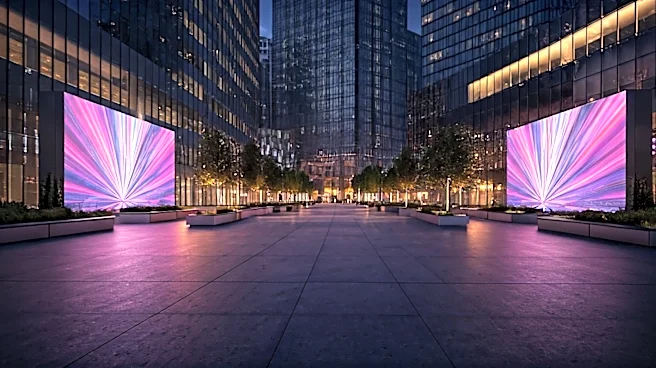
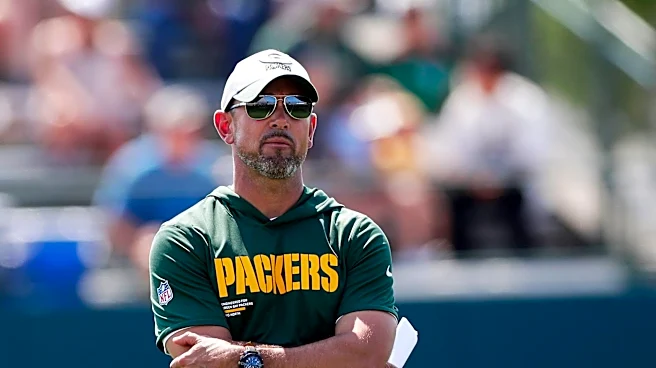
This movement isn't happening by accident. It's being driven by a conscious shift in urban design. For decades, American cities often designed public squares as ornamental pass-throughs rather than functional destinations. That’s changing. Modern mixed-use developments are increasingly anchored by programmable plazas designed for exactly this kind of activity. Places like the Power & Light District in Kansas City or Titletown in Green Bay were built with communal viewing in mind, integrating massive screens and event infrastructure directly into their architecture. As more cities look to revitalize their downtown cores and create vibrant, walkable neighborhoods, designing spaces that are meant to be *used*—not just admired—is becoming a top priority. These purpose-built plazas provide a permanent, reliable home for public viewings, turning a spontaneous happening into a dependable civic ritual.