
The Unofficial Start of Oscar Season
Forget the calendar—for Hollywood, awards season begins every September in Canada. The Toronto International Film Festival (TIFF) is widely seen as the primary launchpad for Oscar hopefuls. Unlike the more
formal, jury-led competitions at Cannes or Venice, TIFF's most prestigious prize is the People's Choice Award, voted on by the public. This makes it the perfect testing ground. A film that wins over the famously enthusiastic Toronto audiences often rides that wave of goodwill all the way to the Dolby Theatre. In fact, twelve of the last fifteen winners of this award have gone on to score a Best Picture nomination. Studios arrive in Toronto not just to screen their films, but to start building the narrative that will, with any luck, end with an Oscar.
Crafting the Perfect Narrative
Long before a single actor sits down for an interview, publicists and strategists have decided on the story they want to tell. Every film needs a compelling angle that goes beyond its plot. Is it the director's deeply personal passion project? An actor's transformative, physically demanding role? A scrappy underdog story about how the film barely got made? This narrative is the core of the entire campaign. For instance, a film like "Elsinore," which is earning rave reviews at this year's festival, leans into the heartbreaking true story of its subject, actor Ian Charleson, who battled AIDS while performing "Hamlet". The press strategy is built to amplify this story of courage and dedication, positioning star Andrew Scott for a potential career-best awards run.
The Three-Pronged Interview Attack
Once the narrative is set, it's deployed through a carefully planned series of interviews. First, there's the prestige piece—a thoughtful, long-form interview with a major outlet like The New York Times or a trade publication like Variety. This is where the serious, artistic side of the narrative is established. Next comes the television junket, where stars move from room to room giving shorter, more accessible interviews for morning shows and entertainment news. The goal here is broad appeal and name recognition. Finally, there's the modern, all-important social media and digital component. This involves creating viral moments, participating in fun online segments, and ensuring the cast's personalities shine through, making them relatable to a wider, younger audience. The combination is designed to create a constant hum of conversation around the film.
Case Study: The 'I Play Rocky' Playbook
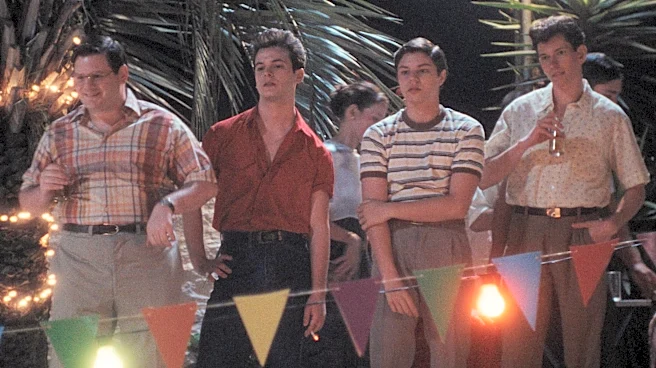
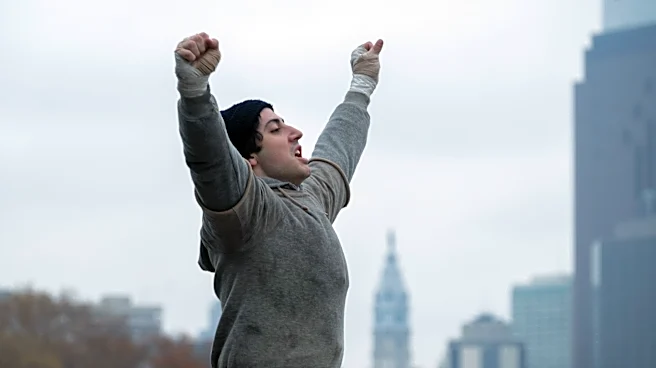
This year's festival provides a perfect example of a successful launch: Peter Farrelly's "I Play Rocky." The film, about Sylvester Stallone's underdog journey to make the original "Rocky," received a rapturous reception and a massive standing ovation at its premiere. The interview strategy is firing on all cylinders. The narrative is a classic Hollywood-loves-Hollywood story, celebrating perseverance and creative passion. Actor Anthony Ippolito, who plays Stallone, has been positioned as a breakout star, with journalists noting his complete transformation into the iconic actor. The post-screening Q&A was used to reinforce the narrative, with Farrelly explaining how Ippolito campaigned for the role from his grandmother's basement, making for a perfect underdog anecdote that mirrors the film's own plot. This alignment of film theme and real-life story is PR gold, immediately positioning the movie as both a crowd-pleaser and a serious awards contender.