



The Social Safety Net
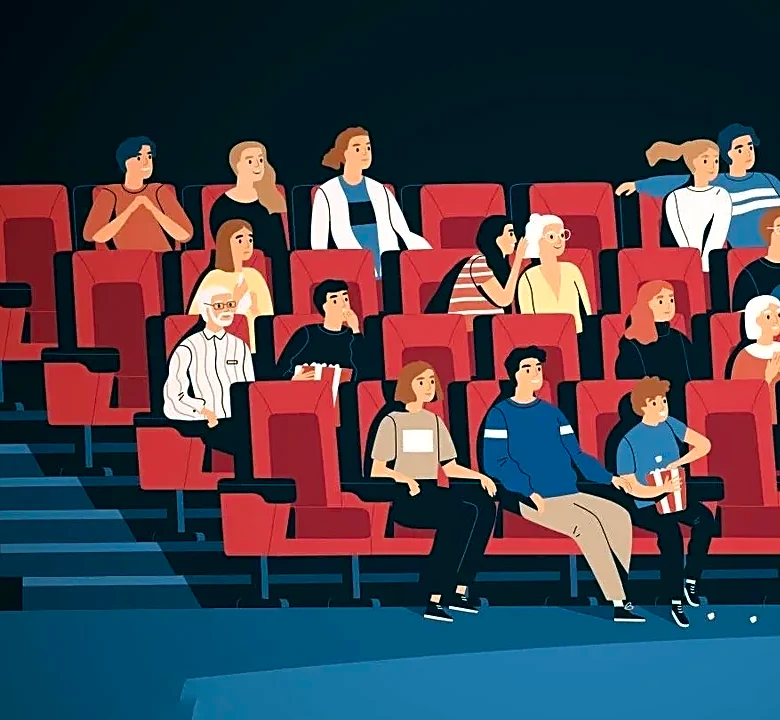
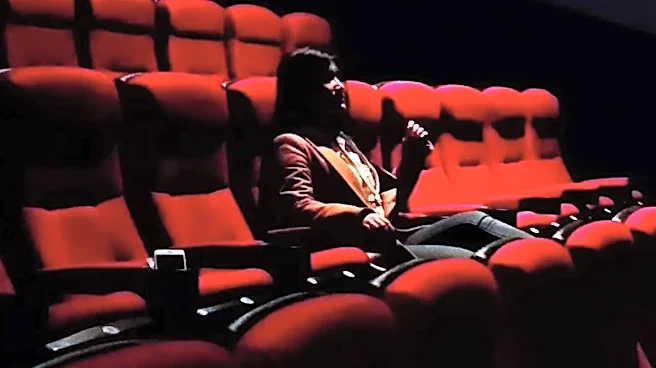
The most straightforward reason a horror movie feels less terrifying with friends is a psychological principle called social buffering. At its core, it's the 'safety in numbers' instinct. Research has consistently shown that the mere presence of other
people can reduce our stress and fear responses in threatening situations. Your brain, even when engrossed in a fictional narrative, registers the presence of your friends as a protective resource. This social support signals safety, calming the body's fight-or-flight response. The amygdala, the brain's alarm center that fires up during a jump scare, can be soothed by the implicit knowledge that you are not facing the threat alone. Even if your friends can't stop the monster on the screen, their company provides a powerful psychological shield, turning down the dial on your perceived level of danger and allowing you to experience the thrill without the full-blown terror.
Permission to Laugh It Off
Groups don’t just buffer fear; they actively help regulate it. When watching a horror movie, there's a constant, unspoken social negotiation happening. You glance at a friend after a tense scene to see how they're reacting. Are they laughing? Hiding their eyes? This shared experience helps validate and normalize your own feelings. More importantly, it provides an outlet. A moment of extreme tension can be instantly shattered by a friend's sarcastic comment or a collective, nervous laugh. This shared release of tension is incredibly effective at breaking the spell of a scary movie. It reminds your brain that what you're seeing is fake and meant for entertainment. People often report that having company brings out the funny stereotypes and tropes in horror, making the film feel less like a genuine threat and more like a communal game.
When a Group Makes It Scarier
While we usually assume company is a comfort, it can also have the opposite effect through a phenomenon known as emotional contagion. Think of it as a feedback loop of fear. One person gasps, which makes you jump, and your jump makes the person next to you scream. Suddenly, the entire room is more agitated. Studies have shown that shared experiences can amplify emotions, making positive moments more joyful and negative ones more intense. When it comes to a scary movie, a group can create a more super-charged atmosphere. A single, well-timed shriek from a jumpy friend can be more startling than the actual scare on screen. This doesn't necessarily mean you feel more genuine danger, but it can heighten the overall emotional arousal of the experience, making the event feel more intense and stimulating. For some, this shared amplification is part of the fun.
Turning Fear into a Fond Memory
Perhaps the biggest change a group makes is transforming the experience from one of pure fear into a bonding event. Facing a 'threat' together, even a fictional one, can foster a sense of closeness and connection. Your brain releases hormones like oxytocin during shared social activities, which reinforces feelings of attachment. When you look back on a scary movie night with friends, you're less likely to remember the specific moments of terror and more likely to recall the laughter, the shared jumps, and the feeling of togetherness. This process fundamentally reframes the memory. The fear becomes an ingredient in a fun, shared story rather than a lingering, solitary source of anxiety. The movie night isn't just about watching a film; it's about creating a shared history, proving that sometimes the best way to conquer fear is to simply invite it in and watch it with friends.