



The Reaction Cam Takes Center Stage
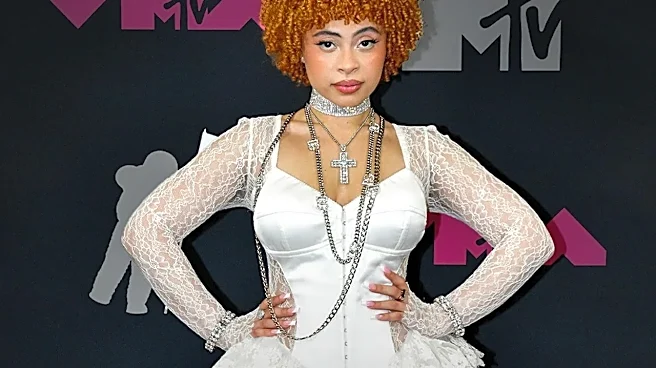
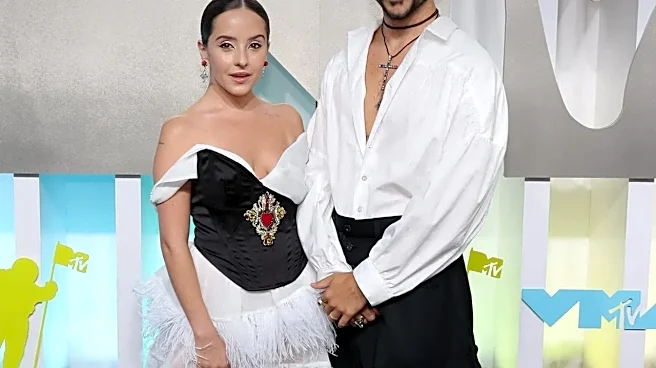
If you tuned into the 2026 VMAs, you saw more than just presenters and performers; you saw a constant stream of celebrity reactions. Every surprising win, shocking performance, or nostalgic tribute was immediately followed by a cut to a famous face in the crowd.
The camera seemed to have its favorite subjects, repeatedly finding stars known for their expressive responses. This wasn't a series of lucky, candid shots. It was a deliberate production choice where the audience became a secondary cast. In recent years, networks have noticed that screengrabs and GIFs of celebrity reactions—whether it's a jaw drop, a supportive cheer, or a subtle eye-roll—dominate social media conversations the next day. MTV has now fully leaned in, making the reaction shot a core component of the VMA viewing experience, even offering dedicated audience-focused camera feeds online.
A Strategy for the Social Media Age
The logic behind this shift is simple: awards shows are no longer just competing for television ratings, they're competing for digital relevance. A three-hour broadcast is now a content-generation engine for TikTok, X (formerly Twitter), and Instagram. A clip of a major star dancing enthusiastically to a performance is infinitely more shareable than a wide shot of the stage. These moments are designed to be clipped, captioned, and spread across the internet, extending the show's lifespan far beyond its initial broadcast. MTV has even created specific award categories and show elements designed for social media engagement, putting creators and viral trends at the forefront. By turning the audience into a source of endless reaction content, the VMAs ensures it remains part of the cultural conversation, generating millions of impressions and engagements.
The Taylor Swift Effect
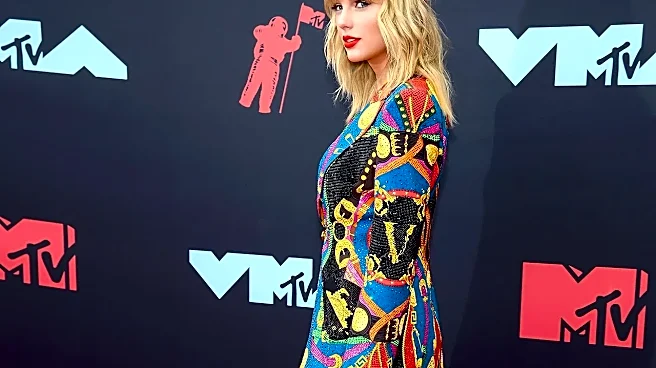
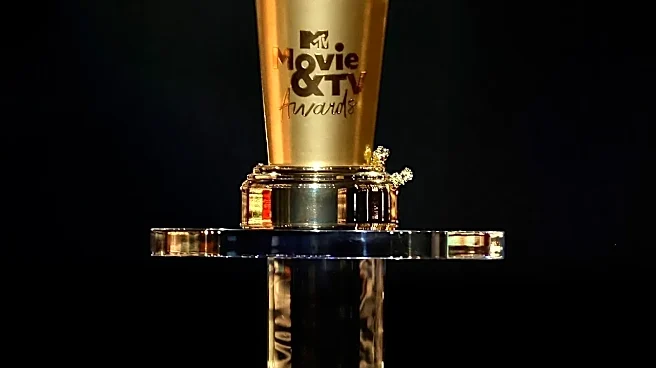
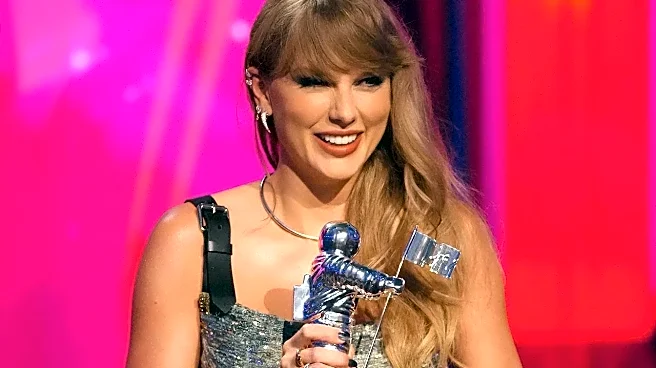
No artist embodies this phenomenon more than Taylor Swift. For years, MTV producers have understood that getting her to attend is a win for the broadcast. Her tendency to dance, sing along, and visibly react to everything happening makes her an ideal anchor for audience shots. In fact, some broadcasts have felt like they were composed of a significant percentage of Swift reaction shots alone. This year, MTV even created a new award, the Artist Director Honors, to recognize her work behind the camera, ensuring her presence. While Swift has long been the queen of the reaction cam, the strategy has expanded. The 2025 VMAs, for example, heavily featured artists like Ariana Grande and the girl group KATSEYE, whose reactions were captured and quickly went viral. The goal is to find the next star who can become a co-host from their seat, guiding the home viewer's emotional journey.
From Candid Moments to Performative Content
There’s a trade-off to this highly managed approach. The thrill of early awards shows was catching a genuinely spontaneous moment, an unscripted interaction that felt real. The modern reaction shot often feels more like a performance. Celebrities are keenly aware they're on camera, and their reactions can seem calculated for maximum impact and meme-ability. The line between being an attendee and being part of the show has blurred. The audience is now part of the production itself. This evolution mirrors the broader changes in how we consume media. We are no longer passive viewers but active participants in creating and sharing culture. The VMAs have simply adapted to this reality, recognizing that in 2026, the show isn't just what happens on stage—it's the entire ecosystem of moments, reactions, and the viral chatter that follows.