





The Case for Velvet Matte
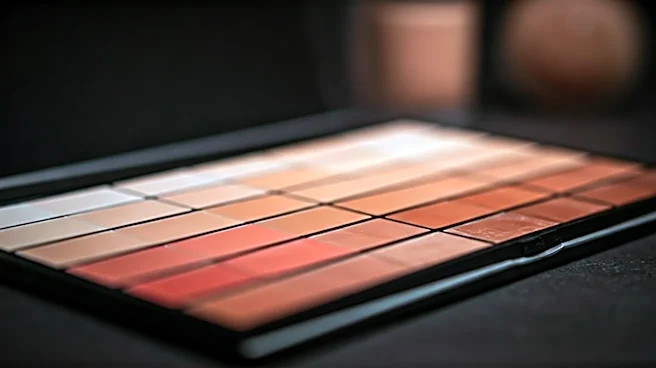
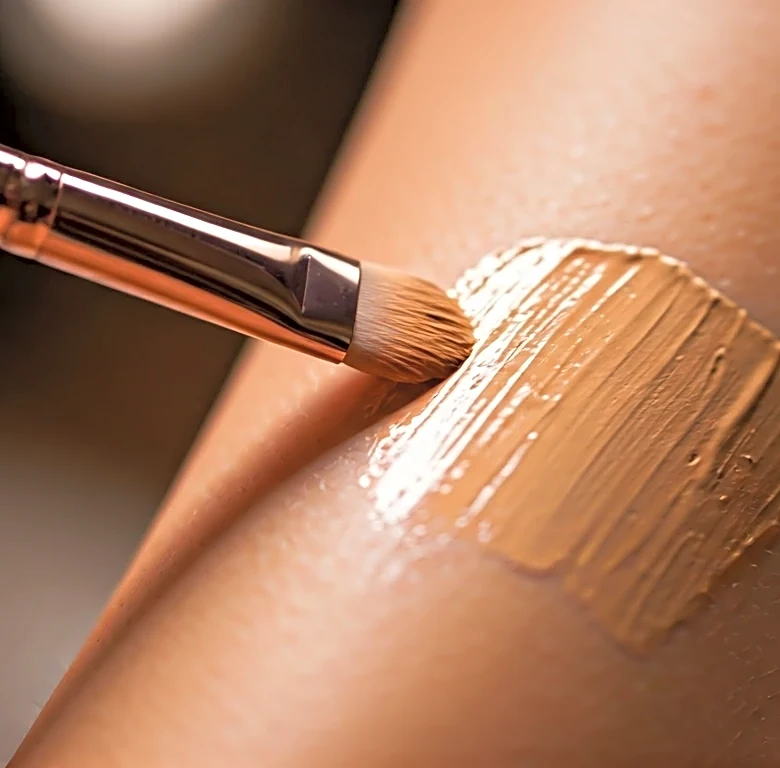
One side of the red carpet saw a powerful return to a polished, airbrushed finish. Think of it as “velvet skin”: a soft, shine-free complexion that looks impossibly smooth and refined under the glare of camera flashes. This isn’t the dry, cakey matte
of years past. Today’s iteration, seen on stars from the stage to the red carpet, uses next-generation formulas to deliver a look that's about control and sophistication. [6, 9] The appeal is timeless. A matte finish evokes 90s supermodel glamour and communicates a certain kind of poised power. [7] It’s a deliberate, intentional choice that says, “I am flawlessly put-together.” For performers and presenters under hot stage lights, it’s also a practical one, ensuring a look that remains impeccable and photo-ready all night long. [17] The modern matte feels less about hiding skin and more about perfecting it into a seamless canvas. [10]
The Glory of the Glaze
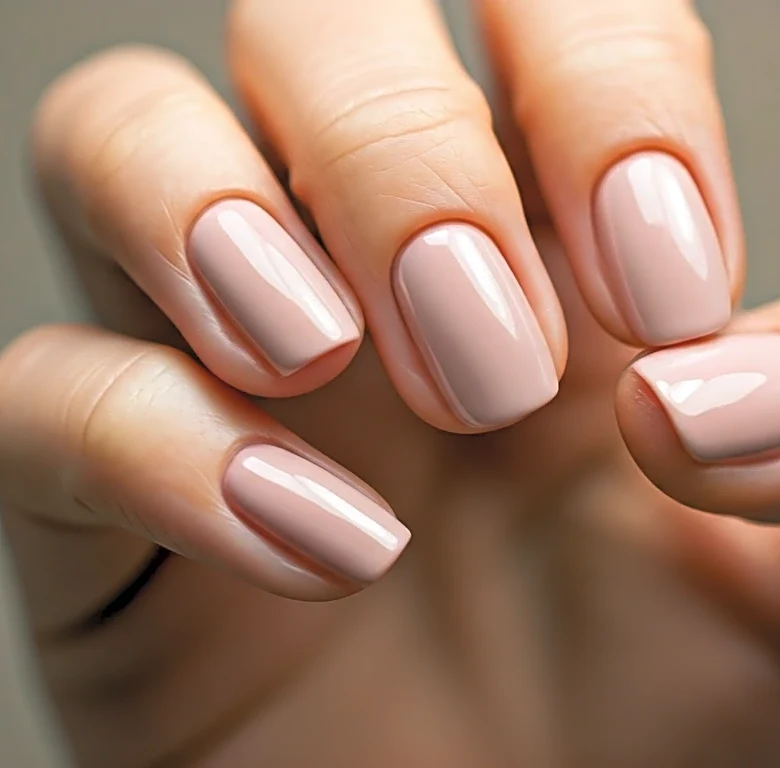
On the other side is the equally popular “glazed donut” or “glass skin” look. [4] Popularized by stars and influencers, this trend is all about a luminous, almost wet-looking radiance that suggests incredible skin health. [1, 5] The goal is to look so hydrated and plump that your skin gleams. [11] This aesthetic is achieved not just with makeup, like liquid highlighters and dewy setting sprays, but with a deep commitment to skincare. [3, 22] It’s a beauty philosophy centered on hydration, nourishment, and letting your natural texture shine through. [11] Celebrities who opt for a glazed complexion are making a statement about wellness and youthfulness. [2] The look feels fresh, modern, and aspirational, suggesting a lifestyle where skincare is the main event and makeup is just an accessory to enhance an already-present glow. [21]
A Tale of Two Aesthetics
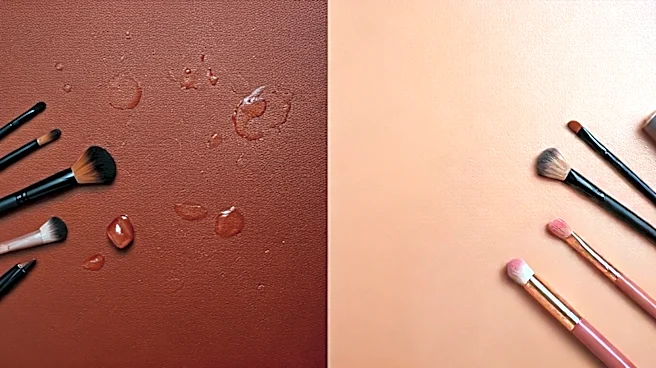
So why the split? It’s not a battle, but a reflection of two different, equally valid beauty ideals coexisting at the highest level of celebrity culture. The choice between matte and glazed is less about what’s “in” and more about the story an artist wants to tell. A velvet-matte face is about editorial precision and high-fashion drama. It’s controlled, commanding, and unapologetically glamorous. A glazed face, by contrast, is about projecting an image of effortless vitality and health. One is about curated perfection; the other is about radiant authenticity. This duality allows stars to align their look with their personal brand. Are they a powerhouse performer delivering a flawless show, or a wellness-focused icon sharing their green juice routine? The skin finish is the first clue.
More Than Just a Trend
Ultimately, the presence of both matte and glazed complexions on a major cultural stage like the BET Awards is a sign of a healthy and diverse beauty landscape. [13, 15] It shows that Black beauty isn’t a monolith. There is space for the high-glam, beat-to-perfection looks that have long been a celebrated part of the culture, as well as the skin-first, minimalist aesthetics that have recently gained global traction. The modern matte formulas are becoming more skin-like, while the dewy looks are becoming more sophisticated and strategically placed. [24] This means the choice is no longer about covering up versus showing off, but about choosing your preferred texture. Whether it’s the quiet luxury of a velvet finish or the vibrant energy of a dewy glow, the split proves that the best trend is personal expression.