


More Than Just Trophies
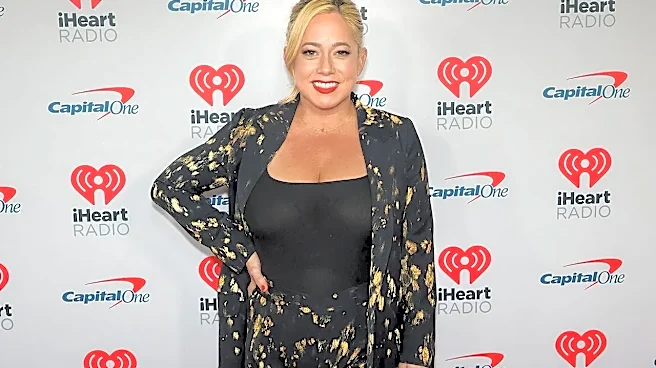
When Will Ferrell kicks off an awards show and presenters include the likes of Jennie Garth and Eric Andre, you know you're not in a basement anymore. The recent iHeartPodcast Awards, hosted by SNL's Ego Nwodim at SXSW in Austin, felt less like a gathering
for hobbyists and more like a full-fledged Hollywood event. The ceremony celebrated shows across a wide spectrum, with "Giggly Squad" taking home the coveted Podcast of the Year award. But the real story wasn't just who won. It was the undeniable fusion of podcasting fame and traditional star power on display. This wasn't an annex to the entertainment industry; it was a premiere. From Icon Awards presented to figures like Terry Gross and Jay Shetty to the sheer number of established actors and comedians involved, the event solidified podcasting’s status as a legitimate and powerful creative medium.
The New Talent and IP Incubator
For years, the dream was for a successful podcast to maybe, just maybe, get optioned for a TV show. Now, that pipeline is a superhighway. Hollywood studios and networks increasingly view the podcasting space as a low-risk, high-reward development lab for intellectual property. Shows like "Lore," "Dirty John," and "The Dropout" have already proven the concept, transitioning from audio hits to successful screen adaptations. This trend continues, with production companies actively scouring podcast charts for the next big story. It’s a smart bet: a podcast with a built-in, dedicated audience has already passed a crucial market test. The awards spotlight new and emerging creators, effectively creating a showcase for Hollywood executives looking to find pre-vetted talent and narratives that resonate with listeners before a single dollar is spent on a pilot.
A Two-Way Street for Stardom
Perhaps the most significant shift is that the talent flow is no longer a one-way street. While podcasts once served as a stepping stone to Hollywood, major Hollywood stars are now flocking to podcasting in droves. Actors like Jason Bateman, Sean Hayes, Will Arnett ("SmartLess"), and Dax Shepard ("Armchair Expert") have built audio empires. Amy Poehler's "Good Hang" has become a breakout success, and Conan O’Brien has found a new, uncensored creative life after late-night television with "Conan O'Brien Needs a Friend". For these established stars, podcasting offers creative freedom, a direct line to their audience without studio notes, and a way to explore passion projects. It's a platform where they control the narrative, something increasingly rare in the franchise-driven world of film and TV.
The Sound of Big Business
Ultimately, the driver behind this evolution is money. The podcasting industry has matured into a multi-billion dollar market, attracting massive advertising revenue and prompting major acquisitions. Spotify's high-profile, exclusive deals with figures like Alex Cooper of "Call Her Daddy" signaled a new era of audio superstars. Talent agencies that once focused solely on film and television now have robust podcasting divisions, negotiating deals that rival those in traditional media. The iHeartPodcast Awards, sponsored by major brands like Gatorade and Audible, reflect this commercial reality. The industry has cultivated its own ecosystem of influence, from TikTok creators presenting awards to podcasts driving conversations that dominate pop culture. This economic engine ensures that audio is not just a creative partner to Hollywood, but a financial peer.