






The Modern Centre Court Manicure
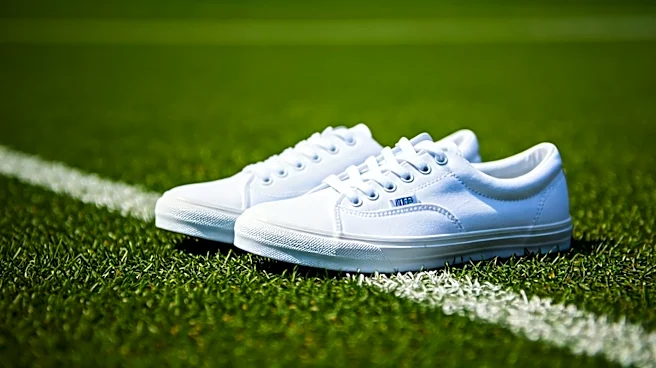
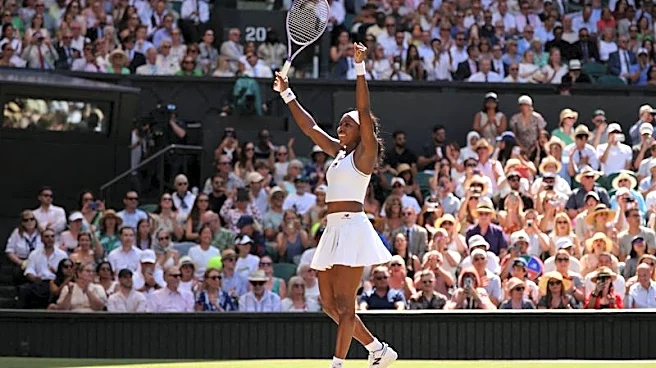
At Wimbledon, where even a colored bra strap can cause a stir, adherence to tradition is paramount. The all-white dress code has defined the tournament's aesthetic for over a century. In recent years, this has evolved into a 'quiet luxury' ethos, where understated
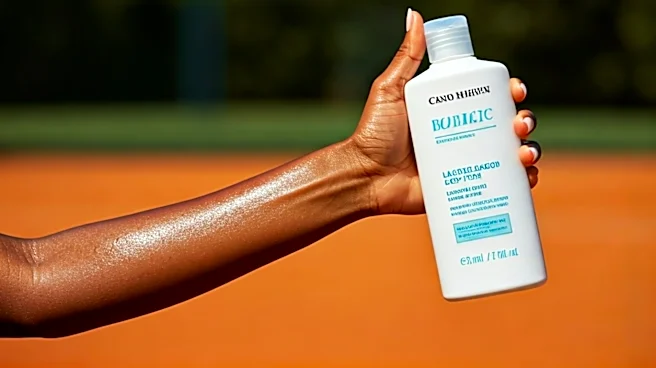
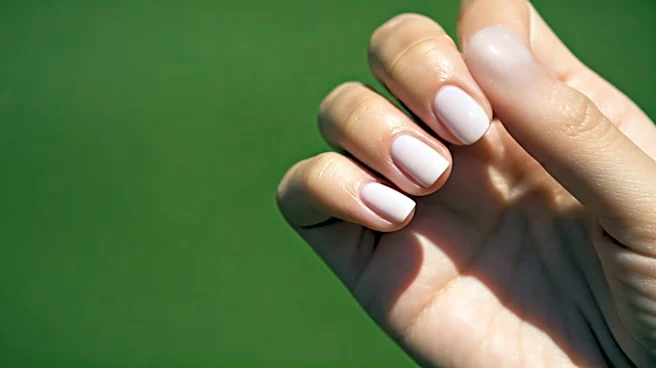
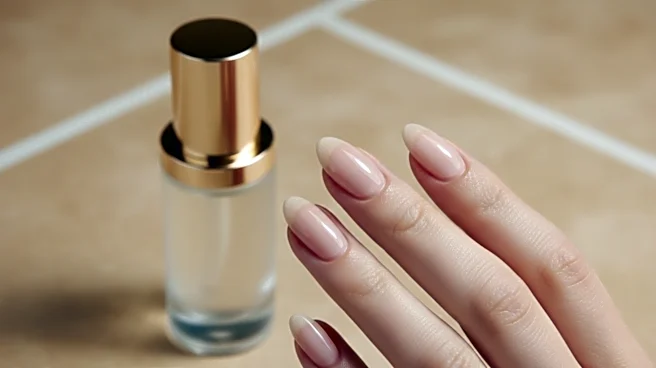
elegance reigns. This year, that refined look extends all the way to the players' fingertips. Instead of bold colors, many athletes are opting for immaculate, natural nails that gleam with health. The secret isn't a new shade of polish, but a renewed focus on nail condition, championed by high-performance cuticle oils. This trend prioritizes strength and hydration, ensuring that a painful hangnail is the last thing a player has to worry about during a crucial tie-break. It’s a beauty choice that’s both practical and perfectly aligned with the polished, yet intensely competitive, atmosphere of the All England Club.
The Science of a Winning Hand
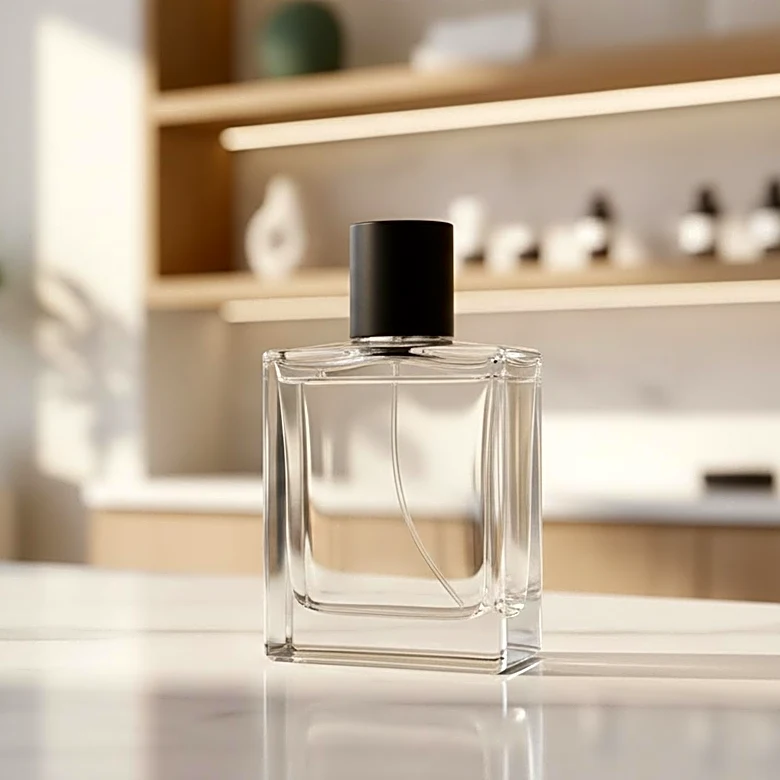
So what exactly is in these little bottles that makes such a difference? It’s not magic, but a blend of powerful, natural ingredients. The star player is often jojoba oil, a substance whose molecular structure is incredibly similar to the natural oils (sebum) our own skin produces. This allows it to penetrate the nail plate deeply, hydrating from within to improve flexibility and prevent breakage. Another key ingredient is Vitamin E, a potent antioxidant that helps repair damage and supports healthy nail growth. Many formulations also include sweet almond, argan, and safflower oils, each adding fatty acids and nutrients that soften cuticles, strengthen the nail's lipid barrier, and create a protective seal against the drying effects of sun, sweat, and constant hand washing. The goal is to create a nail that is resilient and naturally lustrous, reflecting peak condition—much like the athletes themselves.
A Reference from the Archives
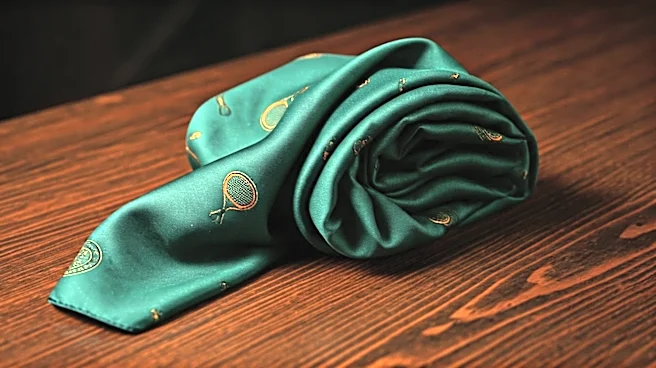
While today’s oils are scientifically formulated, the aesthetic they achieve is deeply rooted in Wimbledon's history. Looking back to the 1930s, the style on Centre Court was undergoing a major shift. The long, cumbersome skirts of the 1920s gave way to more practical shorts and shorter dresses, designed for athletic performance rather than restrictive decorum. The beauty ideal of the era, influenced by Hollywood, also moved away from the heavy, vampy looks of the Jazz Age toward something more refined and 'natural'. The focus was on a fresh, healthy appearance that suggested an active, outdoor lifestyle. While they may not have had access to jojoba oil blends, the era’s tennis icons embodied a clean, fuss-free elegance. Their nails would have been neat, practical, and buffed—the goal was strength and tidiness, not elaborate decoration. This historical emphasis on functional, understated beauty provides a clear reference point for the minimalist oil manicures we see today.
Where Tradition Meets the Trend
The cuticle oil manicure is the perfect modern expression of Wimbledon’s unique character. It bridges the gap between the tournament's storied past and the cutting-edge science of modern sport. In an environment that prizes uniformity and tradition, this subtle beauty statement allows for an expression of personal care that enhances, rather than distracts. It doesn't violate the dress code, but it speaks volumes about a player's attention to detail. This return to a more natural, health-focused aesthetic feels like a direct descendant of the practical elegance seen on court in the 1930s. It’s a quiet rebellion against the need for overt glamour, suggesting that true luxury lies in health and condition. At Wimbledon, a player's hands are their instruments, and ensuring they are in prime condition is the ultimate power move—a perfect blend of timeless style and competitive edge.