


Two Concerts, One Stage
The core of the matter is simple: the audio mix for a live audience and the mix for a broadcast stream are two entirely different products. Sending the live feed directly to Hulu would create a chaotic and unsatisfying listening experience for at-home
viewers. The sound you hear in a field is designed to overcome crowd noise, wind, and vast distances, while the sound you hear on your device is crafted for clarity and balance in a controlled environment. Think of it as the difference between a raw, unfiltered photo of a moment and a professionally edited one; both are authentic, but they are optimized for different contexts.
The Art of the Field: Mixing for Grant Park
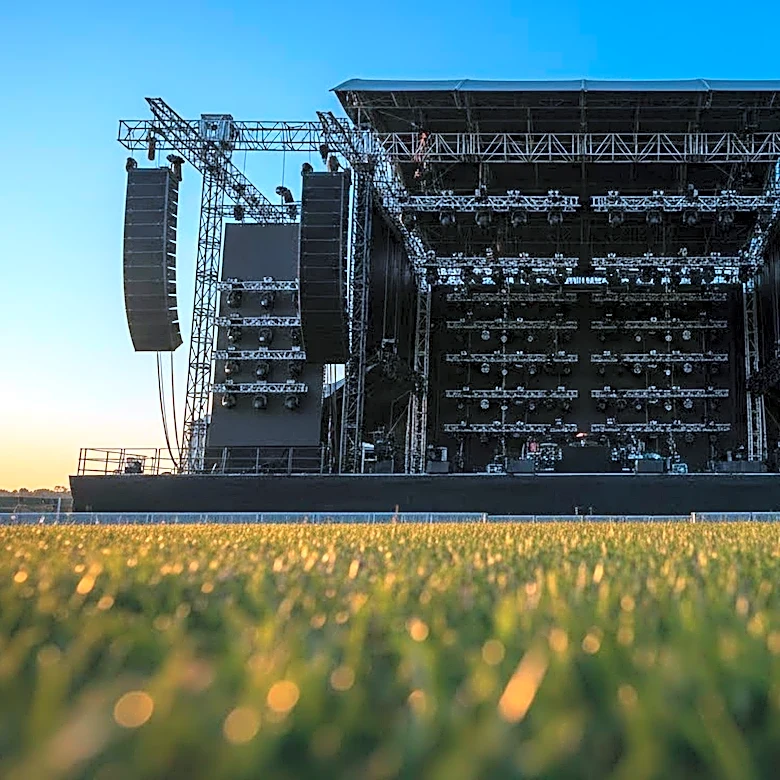
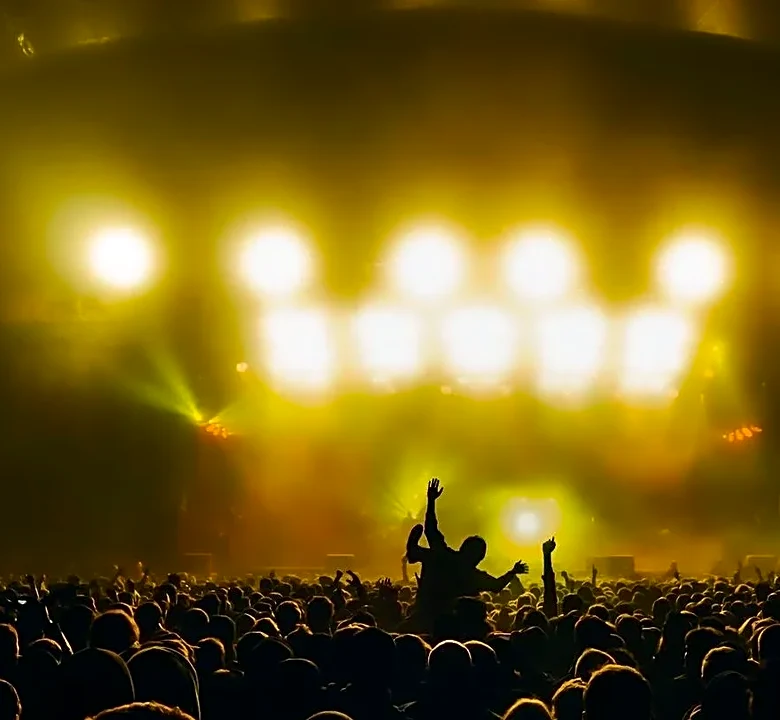
In Grant Park, a sound engineer known as the Front of House (FOH) engineer is in charge. Their job is to make the concert feel immense and powerful for the tens of thousands of people spread across the park. They stand at a large mixing board, usually in a tented area out in the crowd, and their goal is to deliver energy. They battle unpredictable acoustics, the roar of the audience, and even weather changes to ensure the music hits every corner with impact. The FOH mix is defined by a wide dynamic range—the loud parts are very loud, and the quiet moments create audience anticipation. It's a raw, visceral experience designed for that specific time and place.
The Science of the Stream: Mixing for Hulu
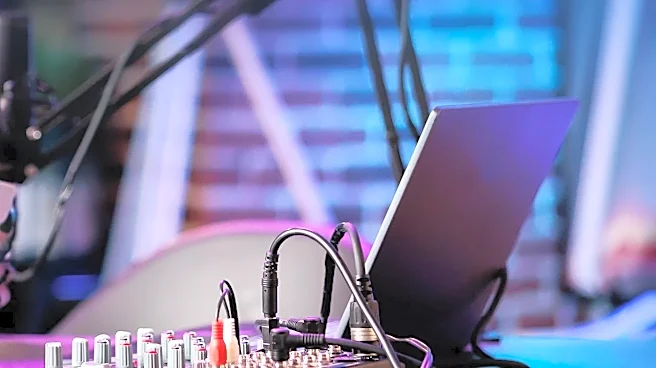
Meanwhile, likely in a production truck tucked away backstage, a broadcast audio engineer is creating a completely separate mix for the stream. Their world is one of control and precision. They aren't fighting crowd noise; they’re focused on creating a polished, studio-like sound that translates perfectly to headphones, laptop speakers, or a high-end soundbar. This engineer compresses the dynamic range, meaning the difference between the loudest and softest parts is reduced. This prevents you from constantly adjusting the volume on your remote. They add subtle reverb, balance instruments with surgical precision, and use ambient microphones to capture just enough crowd excitement to make it feel live, without letting it overwhelm the music. It’s a curated, intimate version of the performance.
Different Engineers, Different Goals
These two roles, FOH and broadcast engineer, require different skill sets and philosophies. The FOH engineer is a master of immediate, large-scale sound reinforcement, reading the crowd and the environment in real time. The broadcast engineer, on the other hand, is a studio artist working under live pressure, focused on delivering a flawless recording for a massive, unseen audience. While some viewers of past Lollapalooza streams on Hulu have commented on variable audio quality, the intention is always to provide a mix that is more detailed and consistent than what's possible in an open field. The process isn't about hiding anything; it's about translating a singular live moment for two completely different audiences.