



5. Outstanding Period and/or Fantasy Costumes
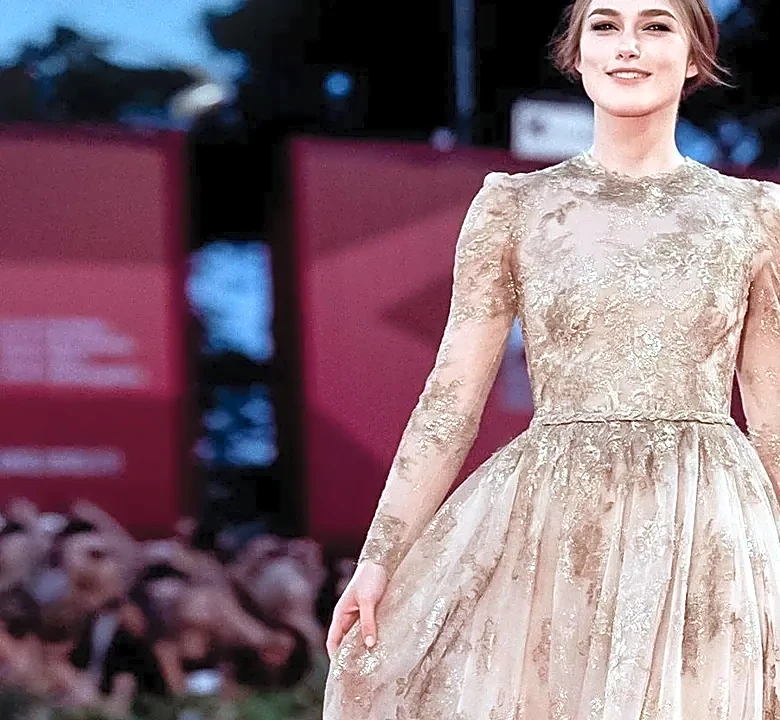
Let's start with the least invisible craft, because great costumes are often designed to be noticed. When a character walks on screen in a breathtaking gown or perfectly distressed armor, the audience is meant to gasp. This craft involves immense research,
design, and fabrication to either historically transport us or build a fantasy world from scratch. While a poorly chosen outfit can break a scene’s reality, the greatest triumphs in this category are almost always visible spectacles. They add to the story, but they do so with a flourish. Think of the elaborate styles in a royal drama or the otherworldly garments in a sci-fi epic; their beauty is part of the point, making this essential art form the most visible on our list.
4. Outstanding Production Design
Production design is the art of creating the world the story lives in. It’s everything from the construction of a spaceship's bridge to choosing the exact style of peeling wallpaper in a rundown apartment. Great production design tells you who a character is before they even speak a line of dialogue. It can be spectacular and noticeable—like a massive, intricate set for a variety special—but its best work often operates on a subconscious level. You might not consciously register the curated clutter on a detective's desk, but it informs your entire perception of the character and their world. It ranks here because while its grandest achievements can be scene-stealers, much of its genius lies in creating a reality so convincing you never question it.
3. Outstanding Cinematography
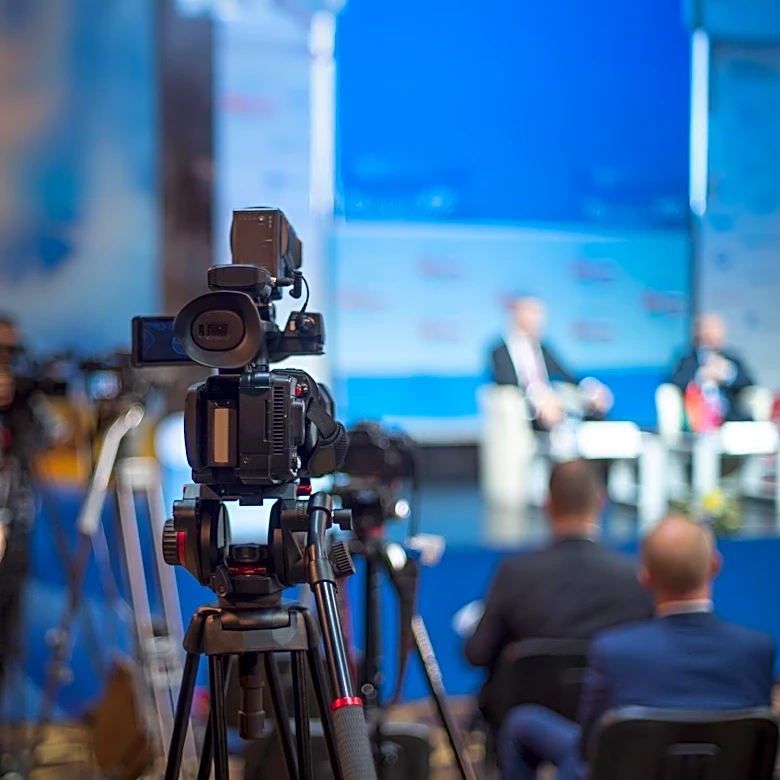
Cinematography is the language of light and shadow, the choice of lens, the movement of the camera—it is, in short, how the story is visually told. A great cinematographer can make a scene feel intimate, epic, terrifying, or romantic just with their choices. Sometimes this work is intentionally flashy, with a dramatic long take or a stunningly composed landscape shot that becomes iconic. More often, however, it’s about subtly directing the viewer’s eye and establishing a mood without them realizing it. You don't think, "What a well-chosen focal length for this emotional moment." You just feel the emotion. It's a craft that dances on the edge of visibility, capable of both showing off and seamlessly receding into the background to serve the narrative.
2. Outstanding Picture Editing
Editing is often called the "invisible art," and for good reason. An editor sculpts the raw footage into a coherent, rhythmic, and emotionally resonant story. The choice of when to cut, who to cut to, and how long to hold a shot determines the pace and impact of every single scene. When it's done perfectly, you don't notice the cuts at all; you're simply carried by the flow of the narrative. You feel the tension rise in a fast-cut action sequence or the weight of a dramatic pause, but you don't see the hundreds of decisions that created that feeling. The only time most viewers notice editing is when it's jarring or confusing. To excel at this craft is to be a master storyteller whose fingerprints are everywhere, yet nowhere to be seen.
1. Outstanding Sound Mixing & Sound Editing
This is it: the pinnacle of invisible greatness. Sound editing is the gathering and creation of every sound effect—from footsteps to alien roars—while sound mixing is the art of blending all audio elements together. This includes dialogue, score, and those effects. When it works, dialogue is perfectly clear amidst a chaotic battle, the subtle hum of a starship's engine sets the mood without being distracting, and the world feels audibly real. You have never once thought, "My, the dialogue track is perfectly balanced with the ambient room tone and the musical score." You just understand what the characters are saying. Bad sound is one of the most distracting and amateurish mistakes in production, but flawless sound is something you absorb completely. It is the ultimate invisible craft, foundational to the experience but almost never consciously recognized.