



It’s Not Just Color, It’s a Conversation Between Fabrics
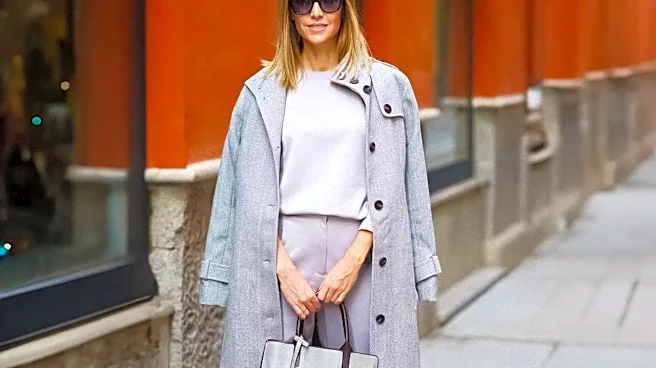
The core reason some monochromatic outfits look more sophisticated is that they create a cohesive, streamlined look that is visually calming. By sticking to one color family, the eye isn't distracted by competing hues, which automatically gives the look a polished
and intentional feel. But the real magic, the 'hidden reason' for dimension, comes from texture. An outfit composed of materials that all have the same finish—like flat cotton on flat cotton—can look uniform and blocky. A truly dimensional look arises from pairing fabrics that interact with light and each other in different ways, creating subtle highlights and shadows that give the outfit depth.
The Power of Texture
Texture is the most powerful tool for adding depth to a single-color look. Think of it as creating a tactile landscape. When you mix different materials, you prevent the outfit from feeling visually flat. For example, pairing a chunky, light-absorbing knit sweater with a smooth, light-reflecting silk skirt creates an immediate and compelling contrast. The same principle applies to other combinations: the sleekness of leather against soft cashmere, the crispness of a linen shirt with worn-in denim, or the plushness of velvet with the structure of wool. Each material catches the light differently, breaking up the single color into a dynamic range of surfaces.
Playing with Sheen and Weight
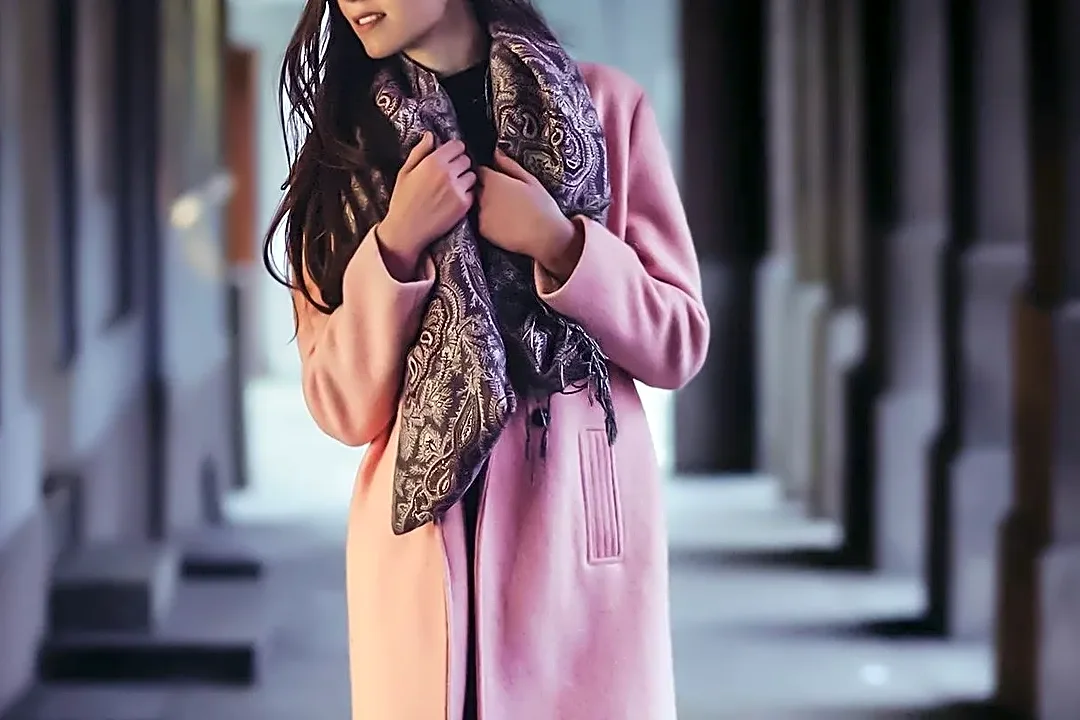
Beyond just rough versus smooth, consider the fabric's finish and weight. Mixing matte surfaces with shiny ones is a professional styling trick that adds instant dimension. A matte blazer over a satin top, for instance, provides a sophisticated contrast that feels both intentional and effortless. The weight of the fabric also plays a crucial role. Layering heavier materials (like a wool coat) over lighter ones (like a thin cotton turtleneck) not only adds physical layers but also visual complexity. This interplay of heavy and light, shiny and matte, keeps the eye moving and makes the entire outfit more engaging.
Don't Forget Silhouette and Structure
Dimension isn't just about fabric; it's also about shape. Playing with proportions can make a huge difference in a monochrome outfit. Balancing an oversized or voluminous piece with something more fitted creates a dynamic silhouette. Think of a loose, wide-leg trouser paired with a tailored, form-fitting top, or a sharp, structured blazer layered over a soft, flowing dress. These contrasting shapes prevent the single color from looking like a uniform. The clean, uninterrupted vertical line of a monochrome outfit is known to be flattering and elongating, and varying the silhouette only enhances this effect by adding points of interest.