





The Central Misconception
When we shop for a hoodie, most of us have a simple checklist: Does the S, M, or L feel right? Is the color okay? Is it soft? That's the core misreading. We treat hoodies like a sack we can just throw on, assuming 'baggy' is the only style variable. But
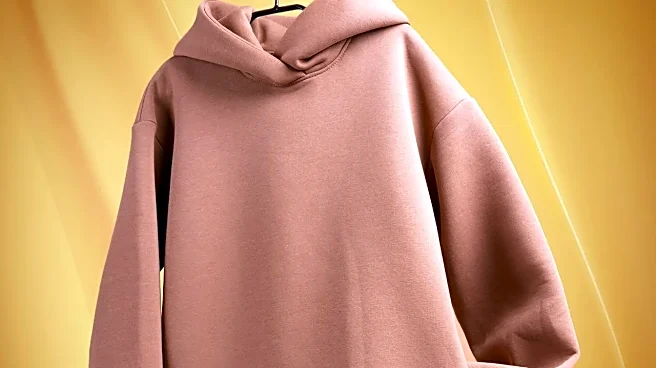
a great hoodie's fit isn't about the letter on the tag; it's about its construction. We often ignore the crucial elements that determine a flattering silhouette: the weight of the fabric, where the shoulder seams sit, and, most importantly, where the hem and ribbed waistband land on your body. An ill-fitting oversized hoodie can look unintentional, like you're wearing something two sizes too big, rather than a relaxed, stylish garment. It’s a game of structure and proportion, not just size.
Silhouette Is Everything
The goal of dressing for your body type isn't to hide your figure, but to create balance. A hoodie is a powerful tool for this, as it can add or subtract volume exactly where you need it. The first step is to stop thinking about a hoodie as formless and start seeing it as a piece of architecture. Does it have dropped shoulders that widen your top half? Is it cropped to visually lengthen your legs? Is it a zip-up style that, when worn open, creates a flattering vertical line down your torso? The difference between looking chic and looking sloppy is often the contrast between the voluminous hoodie and a more fitted bottom, like skinny jeans or leggings—a formula that creates a balanced silhouette every time.
Decoding Hoodie Anatomy
To choose wisely, you need to know the parts. A hoodie's fabric weight (measured in GSM) is a key indicator of quality and structure; a heavier fabric (above 300 GSM) holds its shape better than a thin, flimsy one. The cut is paramount. A classic pullover offers clean lines, while a zip-up provides styling versatility. Oversized hoodies, a streetwear staple, are intentionally cut larger in the chest and arms but shouldn't necessarily be longer in length. Look at the details: Raglan sleeves (which extend in one piece up to the collar) can flatter broader shoulders, while structured hoods made from multiple panels frame the face better than flat, single-panel ones. Even the ribbed cuffs and waistband matter—they should be sturdy enough to hold their shape without being uncomfortably tight.
A Simple Guide for Your Shape
While strict rules are out, certain guidelines can help. If you have a pear shape (narrower shoulders, wider hips), a cropped hoodie can add volume to your top half without clinging to your lower body. For those with an apple shape (a fuller midsection), a longer, tunic-style hoodie or a zip-up worn open can create an elongating effect. If you have a straighter, more rectangular frame, an oversized hoodie paired with slim bottoms can create the illusion of curves. And if you have an hourglass figure, look for styles that skim your curves or have a defined waist to avoid getting lost in fabric. For athletic or inverted triangle shapes, a hoodie that is darker on top and has A-line or flared elements can help balance broader shoulders.
Beyond Fit: It’s About Intention
Ultimately, the 'right' hoodie is the one that makes you feel confident. An oversized, slouchy hoodie can absolutely be a great look on any body type, as long as it looks intentional. The key is to own the style. Pair that baggy hoodie with sleek leggings and clean sneakers. Push up the sleeves to show a little skin and add some shape. The goal isn't to follow a rigid set of rules but to understand them, so you can break them with purpose. When you choose a hoodie with its silhouette, fabric, and details in mind, you're not just grabbing a sweatshirt—you're making a style choice.