



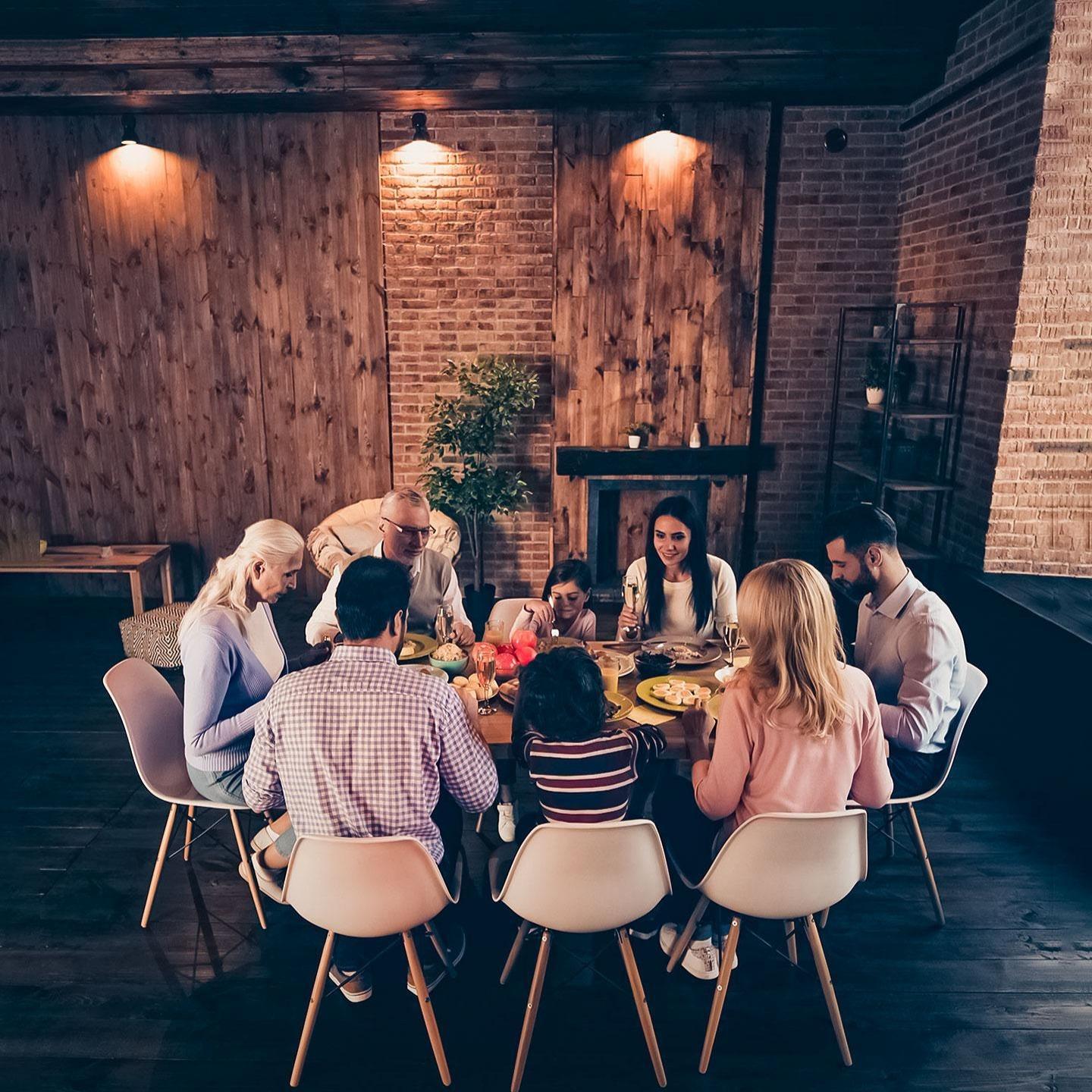


The Thanksgiving table is a unique stage for family drama, where old tensions and quirky personalities collide. But there's a surprising tool for navigating it all: the Thanksgiving movie, a genre that acts as an empathy-building machine.
The Annoying Guest Who Is Secretly a 'Holy Fool'
No character
embodies the 'lovably difficult' relative better than Del Griffith, the shower curtain ring salesman from 'Planes, Trains and Automobiles'. Played with booming warmth by John Candy, Del is the houseguest of nightmares: he’s loud, messy, tells long-winded stories, and has a different set of rules for social conduct. He is the cinematic embodiment of the relative who corners you for a 20-minute monologue about nothing. Steve Martin’s Neal Page is our surrogate, his mounting frustration mirroring our own holiday stress. But the film’s genius is how it slowly peels back the layers of Del’s character. The famous 'I like me' speech, where Del confronts Neal’s insults, isn't just a defense; it’s a plea for dignity. We learn his cheerfulness is a shield for profound loneliness. By the end, when Neal brings him home for Thanksgiving, we see Del not as an annoyance, but as a decent, lonely man in need of connection. The film teaches us that the most irritating people are often fighting silent battles.
The Family Clown Hiding Real Pain
In Jodie Foster’s 1995 cult classic 'Home for the Holidays', the family gathering is a masterclass in dysfunction. At the center of the chaos is Tommy (Robert Downey Jr.), the gay younger brother who deals with his family’s anxieties and passive aggressions by becoming a manic agent of chaos. He teases his uptight sister Joanne, flirts outrageously, and generally keeps everyone off-balance. He's the relative who uses jokes and pranks as a defense mechanism. But his frantic energy is a cover. He's navigating his sister's homophobia and his parents' loving but oblivious natures. The film's pivotal moment comes when he accidentally launches the turkey into his sister's lap, leading to a massive fight where his secret marriage is revealed. While his actions create conflict, they also force the family's submerged tensions to the surface. Through him, the film shows that the family 'clown' is often the one most sensitive to the group's unstated truths, using humor to cope with feeling misunderstood or rejected.
The Overbearing Matriarch Who Just Wants to Connect
Anne Bancroft’s Adele Larson in 'Home for the Holidays' is another instantly recognizable archetype: the mother who cannot stop fussing, correcting, and offering unsolicited advice. She greets her daughter Claudia (Holly Hunter) with comments about her hair and weight, representing the relative whose love language feels an awful lot like criticism. Adele's home is a whirlwind of anxiety and micromanagement. Yet, the film subtly reveals her behavior as a misguided attempt at control in a life where she feels a lack of it. Her obsession with puzzles and a perfectly run holiday are coping mechanisms. Her brief, heartbreaking distress after her sister professes love for her husband shows a deep vulnerability beneath the domineering exterior. By the film's end, you realize her meddling isn't malicious; it’s a clumsy, anxious expression of love from someone who doesn't know how else to show she cares. The movie reframes her nagging as a flawed attempt to hold her chaotic family together.
The Science Behind the Screen
This feeling of newfound appreciation isn't just a holiday miracle; it's backed by the psychology of storytelling. Research has shown that reading or watching narrative fiction can increase empathy. When we get 'emotionally transported' into a story, we practice seeing the world from a character's perspective. These films act as social simulators. They present us with a 'difficult' person, make us experience their frustrating behavior through the eyes of another character, and then give us access to their inner life—their fears, loneliness, and motivations. This process helps us build our 'empathy muscle'. We learn to look beyond the irritating surface and consider the humanity underneath. When we return to our own Thanksgiving table, that fictional experience can linger, offering a new lens through which to view our own, very real, Del Griffiths and Adele Larsons.