



The Stage for Spectacle
Unlike the formal Grammys or the stately Oscars, the VMAs were built on a foundation of youthful rebellion. From its inception, the show positioned itself as the wilder, unpredictable cousin in the awards circuit. This created a unique environment where
artists felt empowered—and even expected—to push boundaries. The currency of the VMAs isn't just winning a Moon Person trophy; it's creating a moment so memorable it dominates conversation for days, weeks, or even years. This pressure cooker for viral moments is precisely where the line between a powerful statement and a hollow stunt gets blurry. Both are designed to grab attention, but only one has the substance to hold it.
Anatomy of a True Provocation
A successful provocation doesn't just shock; it reflects or challenges the culture. Consider Madonna’s 1984 performance of "Like a Virgin." Writhing on the floor in a wedding dress wasn't just a racy dance number; it was a brazen commentary on sexuality, purity, and female agency at a time when those conversations were still largely taboo in mainstream pop. Years later, Lady Gaga’s 2010 meat dress operated on a similar level. While initially met with confusion and disgust, it was a deliberate political statement against the U.S. military's "Don't Ask, Don't Tell" policy. Gaga explained that if people don't fight for their rights, they'll have as many rights as the meat on their bones. Both moments used shock as a vehicle for a message, forcing the audience to look beyond the spectacle and consider the intent. They were artful, meaningful, and forever etched into pop history.
When It's Just a Gimmick
Gimmickry, on the other hand, is provocation without a point. It aims for the same level of attention but lacks any underlying substance, often feeling desperate or transparently calculated for headlines. A prime example is Miley Cyrus’s 2013 performance with Robin Thicke. It was certainly shocking, dominating the news cycle with endless talk of twerking and foam fingers. But what was it about? Critics argued it was a jarring attempt to shed her Disney Channel image, using sexualization and appropriation of Black culture as props. The performance generated controversy but offered little in the way of cultural commentary. It was a spectacle for spectacle's sake, designed to announce a new career phase through noise rather than artistry. While it succeeded in getting attention, it's often remembered as awkward and try-hard, the pop culture equivalent of an empty calorie.
The Kanye West Complication
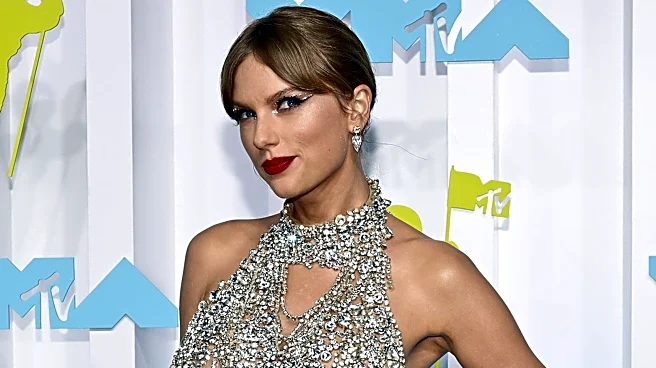
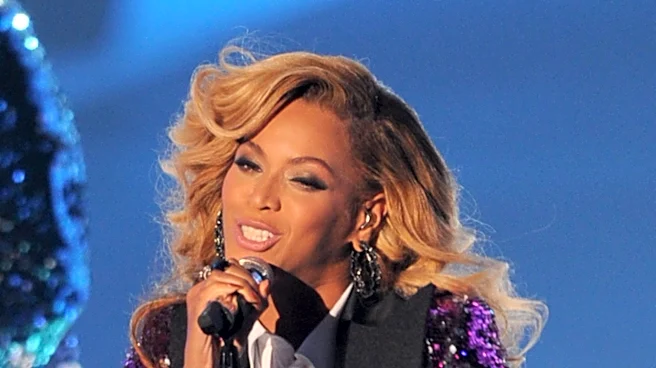
No VMA moment illustrates the fine line between provocation and gimmick better than Kanye West interrupting Taylor Swift's acceptance speech in 2009. On one hand, it was a raw, unfiltered act of provocation. West was making a passionate, if clumsy, point about artistic merit and racial bias in an industry that often overlooked Black artists like Beyoncé in favor of white stars. It sparked a genuine, and necessary, conversation. On the other hand, it was a self-serving, ego-driven gimmick that hijacked a 19-year-old artist's moment in the spotlight. The act was simultaneously a legitimate cultural critique and a deeply uncomfortable display of poor sportsmanship. It lives on in VMA lore precisely because it’s impossible to file neatly into either category. It was messy, real, and unforgettable—a perfect storm of meaningful protest and pure spectacle.