





The Science of Unmatched Strength
The secret to tungsten's staying power lies in its remarkable physical properties. The jewelry isn't made from pure tungsten, which is surprisingly soft, but from tungsten carbide—an alloy of tungsten and carbon atoms. This combination creates one of the
hardest materials used in jewelry, ranking between 8 and 9 on the Mohs scale, where diamond is a 10. To put that in perspective, tungsten is about four times harder than titanium and ten times harder than 18k gold. This incredible hardness makes it exceptionally scratch-resistant, able to withstand the daily grind of an active lifestyle without showing the scuffs and dings that accumulate on softer metals like gold or platinum. Its shine doesn't fade, meaning it requires very little polishing or maintenance to keep looking new.
An Aesthetic of Quiet Confidence
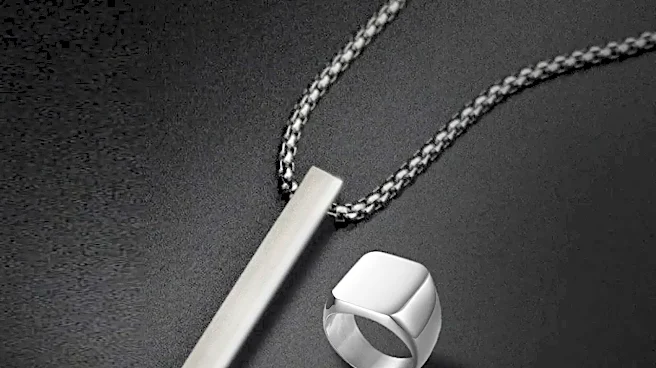
Trends are often defined by flashy, specific details that quickly become dated. Tungsten jewelry, however, sidesteps this trap with its sleek, modern aesthetic. Its natural color is a sophisticated gunmetal gray that feels both industrial and elegant, a neutral that complements any style without competing with it. This understated look gives it a timeless quality. While it can be plated in other colors like black or gold, its classic silvery-gray finish remains the most durable and popular. The metal also has a satisfying heft; it is a dense and heavy material, which many people associate with substance and quality. This combination of a minimalist look and a substantial feel creates an impression of quiet confidence rather than loud ostentation.
A Symbol of Modern Commitment
First identified in the 18th century, tungsten (from the Swedish for "heavy stone") was an industrial workhorse for decades, used in everything from light bulb filaments to military armor. Its entry into jewelry didn't happen until the latter half of the 20th century. Today, it has become a leading choice for wedding bands, with some estimates suggesting nearly one in four American men now opt for it. The reason extends beyond practicality. For modern couples, the material itself is symbolic. Its immense strength and resistance to wear are seen as a metaphor for an unbreakable bond and enduring love. Choosing a ring that is literally built to last a lifetime imbues the piece with a meaning that resonates deeply with the ideals of a lifelong partnership.
The Practical Side of Permanence
Beyond its looks and symbolism, tungsten's popularity is fueled by simple pragmatism. It offers its incredible durability at a fraction of the cost of traditional precious metals like gold and platinum, making it an accessible choice for couples on a budget. Furthermore, tungsten carbide is generally hypoallergenic, making it a safe option for those with sensitive skin who might react to other metals. However, its signature strength comes with one significant trade-off: tungsten rings cannot be resized. Their hardness means they won't bend, but it also means they are brittle and can crack or shatter under extreme, direct impact. For most wearers, this is a worthy compromise for a piece of jewelry that otherwise demands almost no maintenance and promises a lifetime of wear without losing its original appeal.