




We have more movies at our fingertips than ever, yet the conversations around them can feel fleeting. So what does a physical event like the BFI London Film Festival offer that a streaming queue doesn't? Something vital and irreplaceable.
The Human Element of Discovery
Your favorite
streaming service is a marvel of engineering, designed to learn your tastes and serve you an endless buffet of content it thinks you'll enjoy. But its recommendations are, by nature, backward-looking. A film festival's curation is the opposite; it's a deliberate, human-led argument for what's new and vital in cinema. Programmers spend a year watching films to assemble a slate that speaks to the present moment, creating thematic strands that connect disparate films and spark unexpected ideas. This year's BFI London Film Festival, which runs from October 7th to the 18th, is a prime example, showcasing over 250 works from around the world. It's a chance to see a film that might not get wide distribution, or to catch a future award-winner before the hype train leaves the station. This isn't discovery by algorithm; it's discovery by passionate advocacy.
The Power of the Packed Theater
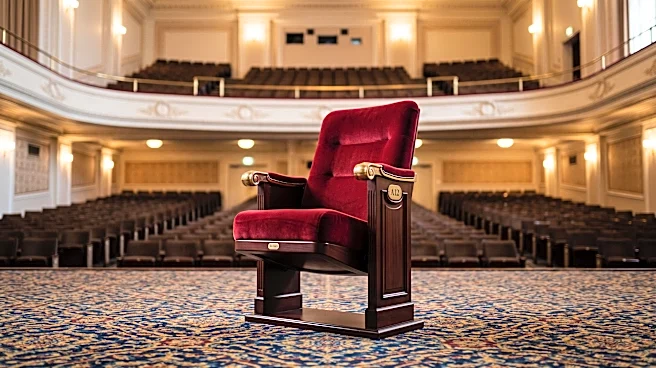
Watching a movie on your couch offers unparalleled comfort, but it's an inherently solitary act. You can pause, rewind, or check your phone. A festival screening demands your complete attention, and it gives something back in return: a shared emotional journey. When hundreds of people gasp, laugh, or hold a collective breath in a dark theater, the film's impact is amplified. It's a communal heartbeat. The energy in the Royal Festival Hall during a gala premiere, or the tense silence at a small arthouse screening, transforms movie-watching from passive consumption into an active, collective event. Recent attendees of the 2026 festival describe this shared love of cinema as a core part of the experience, bringing people together around the stories on screen.
The Conversation After the Credits
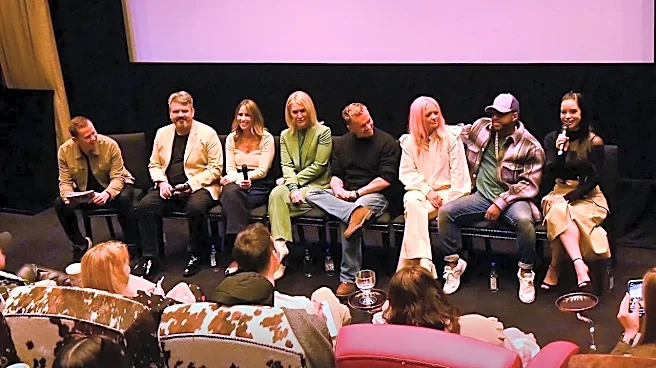
On a streaming platform, a film ends and you're immediately presented with a grid of what to watch next. At a festival, the end of the film is just the beginning of the conversation. The lights come up, and often, the director, writer, or cast walk onto the stage for a Q&A. Hearing creators discuss their intentions, their struggles, and the happy accidents of filmmaking just moments after experiencing their work adds an invaluable layer of context. An attendee this year noted the magic of seeing talents like Brad Bird or John Malkovich reflect on their careers and process. These formal discussions spill out into the lobbies, the queues for the next film, and the nearby cafes, as strangers and friends dissect what they've just seen. The festival ecosystem is built for debate and discussion, not just viewing.
The Thrill of the Unexpected
Festivals are full of 'happy accidents'. Maybe you couldn't get a ticket to the big, sold-out gala, so you took a chance on a small Burmese drama like 'Fruit Gathering' or a Chilean thriller like 'The Meltdown'. Suddenly, you're watching your favorite film of the festival, something you never would have clicked on at home. Streaming algorithms are designed to keep you in your lane; film festivals encourage you to swerve. The buzz in the standby queue, a recommendation from a fellow festival-goer, or a free afternoon can lead you to a cinematic world you didn't know existed. It's a reminder that sometimes the best films are the ones you don't know you're looking for.