



1. The Prestige Drama Not Waiting for Oscar Season
The old rule was simple: if you think you have an Oscar contender, you release it in late October or November, just as voters are starting to pay attention. But the Fall 2026 calendar shows studios are getting bolder. Take a film like Primetime, starring
Robert Pattinson, which is slated for a September 25 release. This kind of serious adult drama would typically be held for the festival circuit and a slow, late-year rollout. Dropping it in September is a high-stakes bet that it can build momentum and stand out before the holiday season glut, challenging the rigid timetable of awards season and seeking an audience on its own terms.
2. The Reimagined Genre Film as a Major Event
September has often been a theatrical 'dump month,' a place for movies without the confidence for a prime slot. That’s clearly changing. A new Resident Evil film, from visionary horror director Zach Cregger, is scheduled for a prime September 18 spot. This isn't just another installment; it’s a high-profile reboot from a director with serious artistic credibility. Instead of quietly releasing a B-tier horror flick, the studio is treating it like a can't-miss cinematic event, signaling that high-concept, director-driven genre fare can now anchor a month on its own.
3. The International Crossover That’s Already Mainstream
For years, a 'foreign film' meant a limited release in a handful of New York and Los Angeles theaters. South Korean director Na Hong-jin’s sci-fi epic Hope is shattering that model. The film, which pairs massive Korean stars with A-list Hollywood actors like Alicia Vikander and Michael Fassbender, isn’t being positioned as an import; it’s being positioned as a global blockbuster from day one. This strategy bypasses the old system, treating international talent and storytelling as an integral part of a mainstream Hollywood release, not an arthouse alternative.
4. The Big-Budget Streaming Exclusive
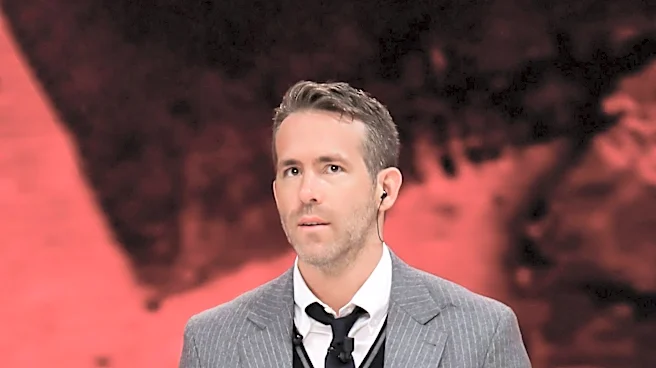
While theaters enjoyed a record-breaking summer, the streaming giants aren't backing down. Instead of counter-programming with small-scale movies, they’re dropping major films with A-list talent, like the Ryan Reynolds and Kenneth Branagh buddy comedy Mayday on Apple TV+. Every time a streamer puts a film with this much star power directly onto its platform, it poses a fundamental question to the old theatrical windowing model. It’s a direct challenge for audience attention, forcing traditional studios to prove why the theater experience is still essential.
5. The Mid-Budget Nostalgia Play
In an industry obsessed with billion-dollar superhero franchises, the mid-budget movie has been on life support. But this fall sees the return of a different kind of IP: the cult classic. A film like Practical Magic 2, set for a September 11 release, is a perfect example. It’s not a massive-budget spectacle, but it taps into a deep well of nostalgia for a beloved, standalone film. It’s a bet that you don’t need a sprawling cinematic universe to bring audiences to the theater; sometimes, all you need is a story people already love and have been waiting to revisit.
6. The Unapologetic Studio Comedy Is Back
The broad, R-rated studio comedy has been largely absent from the top of the box office, pushed aside by super-sized action films. But Universal is making a big Thanksgiving play with Focker-In-Law. Placing a legacy comedy sequel in a prime holiday slot is a throwback strategy, but a bold one in the current climate. It’s a declaration of faith that there is still a massive theatrical audience for star-driven, laugh-out-loud comedies, challenging the prevailing wisdom that only superheroes and horror can guarantee a big opening weekend.
7. The Auteur-Driven Genre-Masher
Some of the most exciting films defy easy categorization, which has historically made them a tough sell for marketing departments. Yet studios like A24 continue to find success by embracing the unclassifiable. A film like Onslaught, about a sniper battling genetically engineered soldiers, sounds like it could be a thriller, an action movie, and a sci-fi film all at once. By giving a director with a unique vision the reins, the studio is betting on talent over formula, challenging the idea that a movie needs to fit neatly into a single genre box to find its audience.