



More Than Just Fringe and Flowers
The bohemian look of the 1970s wasn't born in a designer's studio; it grew out of the counterculture of the late 1960s. It was a direct reaction against the structured, synthetic, and mass-produced fashions of the time. This style was a philosophy you
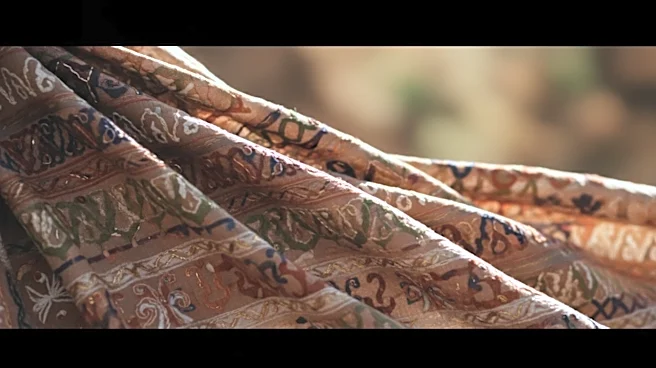
could wear. Rooted in anti-consumerism and a desire for personal freedom, it championed natural fabrics like cotton, linen, and suede, often in earthy tones. The key elements—flowing maxi dresses, embroidered peasant blouses, and handcrafted accessories—were about comfort and self-expression, not conformity. Drawing inspiration from global cultures, from Eastern European embroidery to Moroccan patterns, the style was eclectic and personal. This DIY spirit meant clothing was often customized, thrifted, or handmade, turning fashion into a statement against the mainstream.
The Subtle Seeds of the '80s and '90s
The maximalist, power-dressing 80s seemed to be the antithesis of the free-spirited 70s. However, the bohemian ethos didn't disappear; it went underground. While the look wasn't dominant, its core value—using clothing for individual expression—persisted. This spirit re-emerged in unexpected ways in the 1990s with the rise of grunge. Though aesthetically different, grunge shared bohemian DNA: a rejection of polished, mainstream fashion in favor of thrifted, layered, and comfortable clothing. The anti-establishment vibe was the same, just with a different soundtrack. The focus on authenticity and a lived-in feel was a direct, if subtle, inheritance from the hippie movement a generation prior.
The 2000s and the Boho-Chic Explosion
In the early 2000s, the influence became much louder with the explosion of "boho-chic." Championed by style icons like Sienna Miller, Kate Moss, and Mary-Kate Olsen, this was a more polished, luxury-coded version of the original look. It took the core elements of 70s bohemia—the tiered skirts, coin belts, slouchy boots, and embroidered tops—and made them aspirational for a new generation. The rise of large-scale music festivals like Coachella provided the perfect stage for this revival, cementing the bohemian look as a modern festival uniform. What was once a statement of counter-cultural identity was now a widely popular, commercial aesthetic, proving the timeless appeal of its core components.
Today's Echoes of a Gentle Revolution
Today, the legacy of 70s bohemianism is woven into the fabric of modern style, often in ways we don't even notice. The emphasis on natural materials and a back-to-nature philosophy in the 70s can be seen as a precursor to today's sustainable and ethical fashion movements. Trends like "cottagecore"—with its romantic, comfortable, and nature-inspired clothing—are direct descendants of the bohemian ideal. More fundamentally, the 70s normalized comfort and individuality. The idea that you can wear a loose, flowing dress, mix prints, layer jewelry, and prioritize personal comfort over rigid fashion rules is a freedom that owes a great deal to the hippies and artists of that decade. The style taught us that fashion could be about personal feeling, not just public image.