



The Unbreakable Code of Classic Black Tie
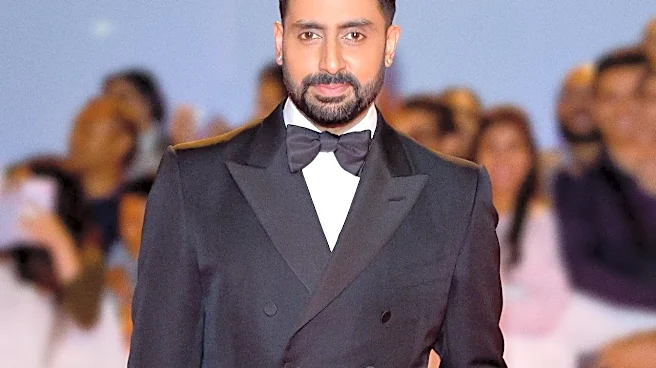
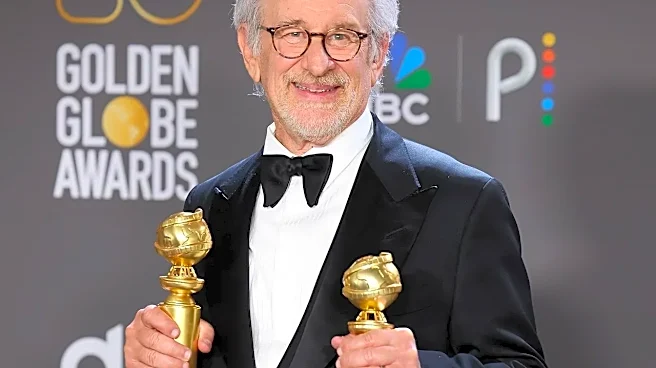
For the better part of a century, black tie was a simple, elegant uniform. Think of James Bond, George Clooney, or Gregory Peck—the look was a symbol of dependable, masculine sophistication. The rules were strict and simple: a black wool dinner jacket
(usually single-breasted with peak or shawl lapels), matching trousers with a satin stripe, a white formal shirt, a black bow tie, and polished black shoes. Its purpose was to create a refined, homogenous look where no single man upstaged another. It was a sartorial code of conformity, a sign that you understood the rules of the game and were playing by them. This classic approach still has its champions, and when executed perfectly, it remains undeniably powerful in its simplicity. We saw it as recently as the 2026 Emmy Awards, where stars proved the enduring power of classic, sharp tailoring.
Meet the New Rule-Breakers
The shift didn't happen overnight, but a new wave of stars has accelerated the change, treating the red carpet less like a formal affair and more like a platform for personal branding. At the forefront are actors like Timothée Chalamet and multi-hyphenates like Donald Glover and Harry Styles. These are men who grew up in an era of social media, where individuality is currency. They, along with their stylists, view fashion as an extension of their art—a tool for expression, not an obligation. For them, dressing isn't about following rules; it's about conveying a feeling, an attitude, or even a story. Chalamet famously rewrote the Oscars dress code by showing up in a sparkling Louis Vuitton blazer with absolutely nothing underneath. Styles made feather boas and pearl necklaces his signature at the Grammys. And Glover has long favored a 1970s-inflected, tie-averse approach to formalwear. This is not rebellion for rebellion's sake; it’s a fundamental redefinition of what it means for a man to dress for a major event.
The Anatomy of a Modern Red Carpet Look
So what are the new rules? The most important one seems to be that there are no rules. Color is the most obvious change. Glover has appeared in everything from a purple tuxedo to an all-red suit, while Styles became famous for his love of pastels and bold floral patterns. The silhouette has also been completely dismantled. Chalamet stunned at the Venice Film Festival in a backless, blood-red halter top and matching trousers from designer Haider Ackermann. At the recent 2026 Emmys, Adam Brody sported silky neckwear instead of a tie, and others embraced the flared trouser trend. Even the idea of a shirt is no longer sacred. Beyond Chalamet's famous shirtless moment, many stars are opting for open-neck shirts, casual knits, or simply a jacket against bare skin. Jewelry is no longer an afterthought but a centerpiece, from Styles' pearls to the statement necklaces and rings seen on numerous stars. It’s a mix of softness and structure, of vintage and futuristic, all in the service of a singular, personal statement.
More Than Just Clothes
This evolution in menswear is more than just a fashion trend; it's a cultural barometer. The willingness of young, high-profile men to embrace color, texture, and silhouettes once deemed "feminine" reflects a broader, more fluid understanding of masculinity itself. Fashion is no longer about adhering to a rigid ideal but about exploring identity. In a world saturated with images, a memorable red carpet look is a powerful way to communicate who you are without saying a word. This shift also represents a democratization of style, where inspiration comes as much from streetwear and social media as it does from historic Parisian fashion houses. The result is a red carpet that is infinitely more interesting, personal, and reflective of the current cultural moment. These stars aren't just getting dressed—they are making a statement that dressing with feeling is more important than dressing for approval.