



Serving Two Different Audiences
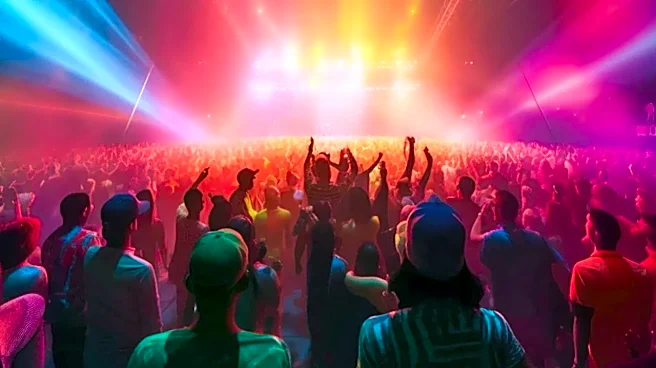
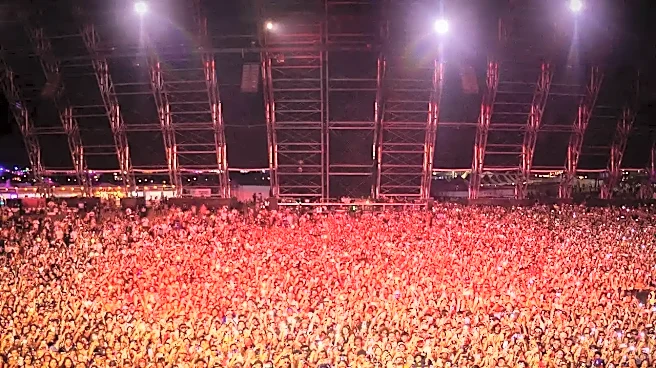
The fundamental challenge of broadcasting a live music festival is that the in-person experience and the at-home experience are entirely different animals. What makes a festival like Austin City Limits (ACL) unforgettable for attendees in Zilker Park
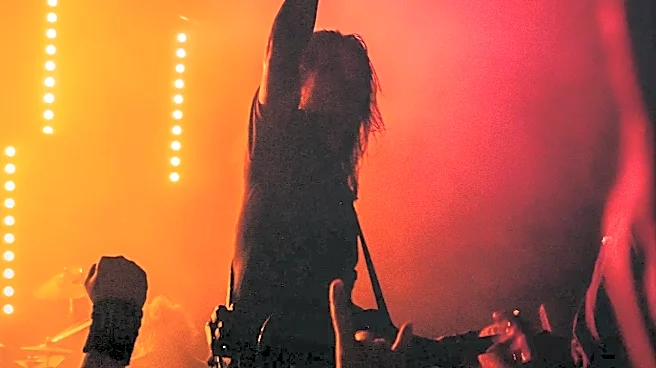
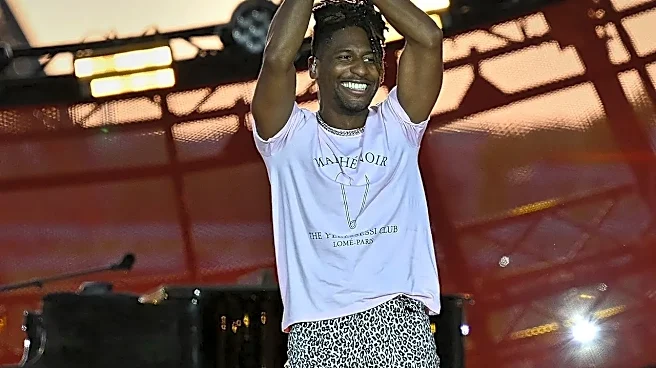
is the sheer scale—the roaring crowd, the expansive stage production, and the feeling of being part of a massive, singular moment. But translate that directly to a screen, and the magic often gets lost. A wide shot that captures the crowd's energy can look like a distant, impersonal video on a phone or laptop. The at-home viewer isn't there for the sunburn and the long walk between stages; they're there for a front-row seat. C3 Presents, the producers behind ACL, and their broadcast partner Hulu understand this tension. The modern festival livestream can't just be a passive recording of the event. It has to be its own curated product, one that respects both the spectacle on the field and the intimacy required for a screen. The goal is to make both audiences feel like they have the best seat in the house, even if those houses are miles apart.
The Camera as an Intimate Bridge
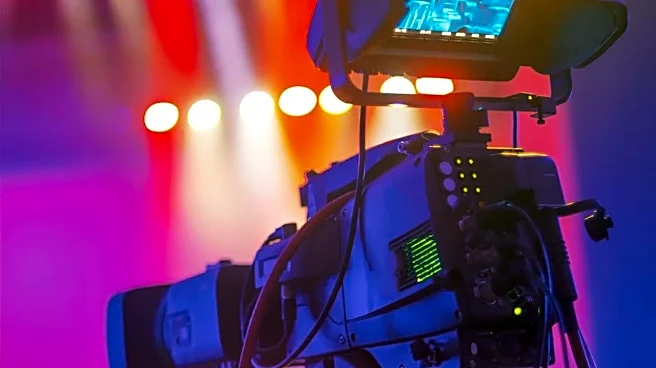
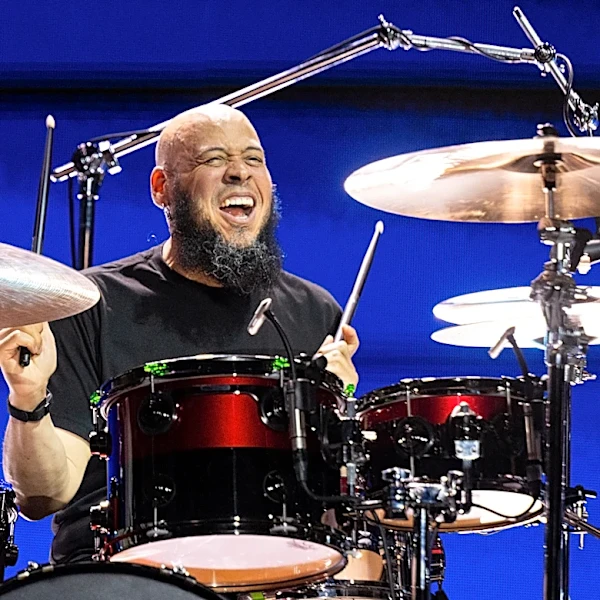
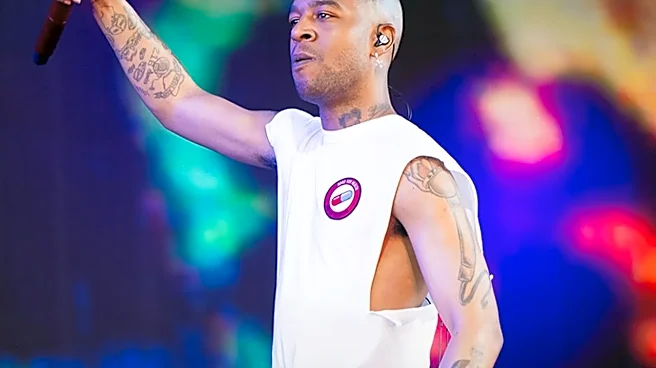
The solution starts with smart camera work. A typical festival broadcast uses a mix of cameras, each with a specific job. There are the towering cranes and front-of-house cameras that capture the epic, wide shots essential for the massive LED screens flanking the stage. These visuals give the live audience a closer look and amplify the performance's scale. But for the livestream viewer, the real value comes from the cameras the live audience barely notices. Robotic cameras placed on stage, handhelds in the photo pit, and even small rigs attached to instruments give the at-home audience a perspective that is impossible to get in person. Think of the super-tight shot of a guitarist's fingers during a solo or the raw emotion on a singer's face—moments that create a direct, personal connection. This is a deliberate choice to provide a unique value proposition for the stream. As C3 Presents' partner Charlie Walker noted, the live experience has never been more connected to digital, meaning the stream must offer something more than just a view from the back of the crowd.
A Backstage Pass for the Couch
Another key part of the strategy is creating content that fills the gaps for the at-home viewer. When you're at the festival, the time between sets is for grabbing food, meeting friends, or trekking to another stage. For the livestream audience, that downtime can be a deal-breaker. To keep them engaged, producers fill these windows with exclusive content. This is where the broadcast truly becomes its own show. Hulu’s partnership with ACL includes not just select performances but also behind-the-scenes footage and artist interviews from an on-site content studio. This bonus content transforms the viewing experience from a simple concert stream into a comprehensive festival documentary happening in real time. While the crowd at Zilker Park sees only what’s on stage, the Hulu or Disney+ subscriber gets a curated tour, meeting the artists and hearing their stories moments after they walk off stage. This makes the at-home experience feel less like a compromise and more like a VIP package.
Making the Screen Part of the Show
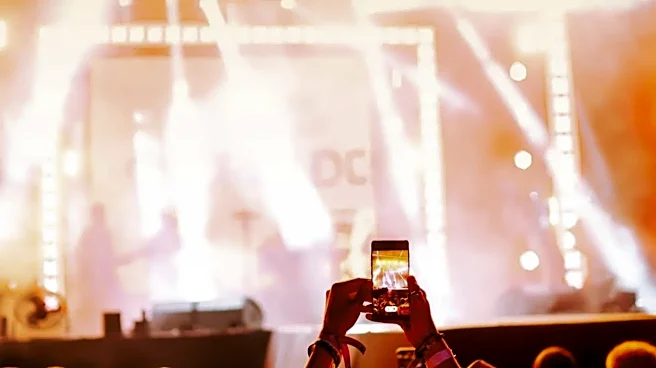
Beyond camera angles and interviews, the most forward-thinking livestreams integrate digital elements directly into the broadcast. While less common in the gritty, authentic feel of ACL, the technology exists to overlay augmented reality graphics, artist trivia, or curated social media comments onto the stream. This enhances the digital view without distracting from the core performance. It’s a way of acknowledging that the person watching on a screen is actively engaged in a digital environment. Some technologies, like TagMix, are already allowing festivals to sync professional audio from the soundboard with fan-shot video from the crowd, instantly creating high-quality social content that bridges the gap between the official broadcast and the fan experience. As this tech becomes more seamless, the line between watching the show and participating in it blurs even further, making the livestream an interactive event in its own right, not just a passive broadcast.