


The Illusion of Simplicity
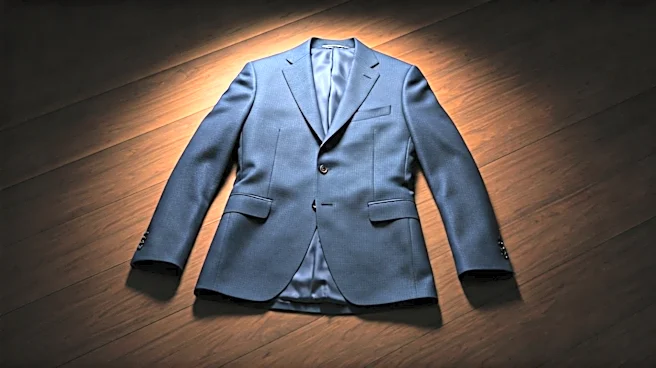
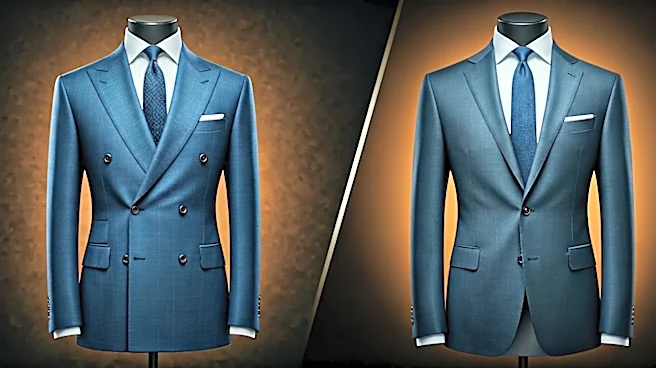
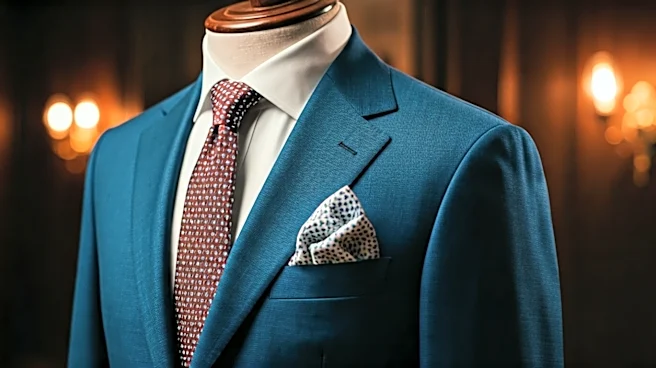
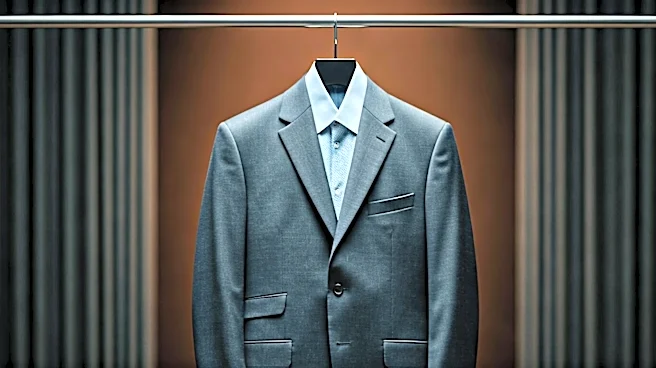
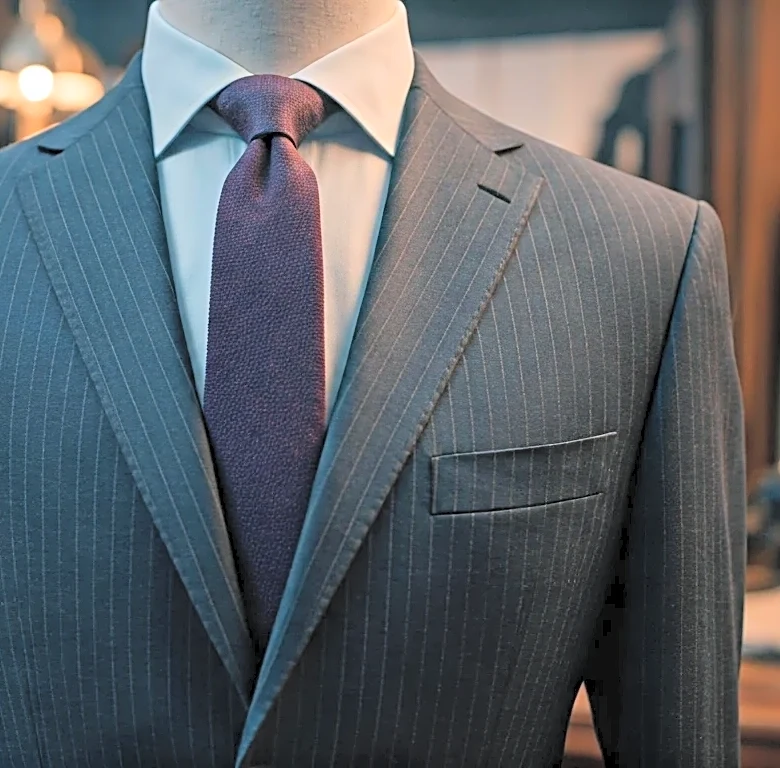
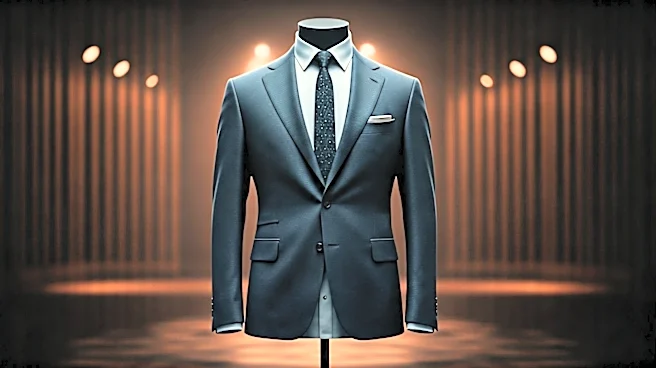
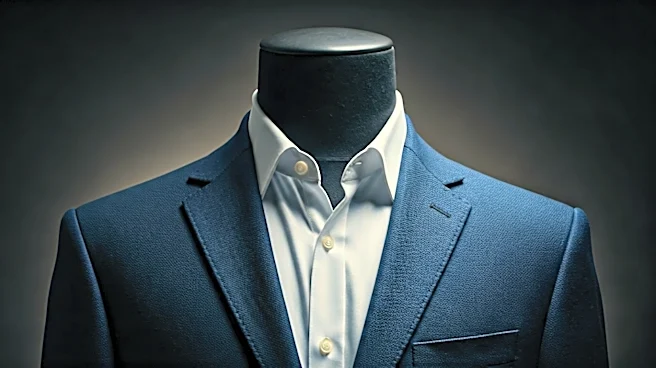
First, let’s define our terms. A “clean” suit isn’t boring; it’s intentional. Think of a perfectly fitted, single-breasted suit in a solid, versatile color like deep navy, charcoal gray, or a rich tan. There are no distracting pinstripes, no aggressive
windowpane checks, and definitely no custom-printed linings designed for the TV cameras. The lapels are classic, the shirt is a crisp white or light blue, and the tie—if there is one—is subtle and well-knotted. On paper, it sounds like the safest bet in the world. It’s the sartorial equivalent of a four-seam fastball: a fundamental that everyone understands. But just like a pitcher who can’t command his fastball, a man in a poorly executed simple suit just looks amateur.
The Unforgiving Nature of Fit
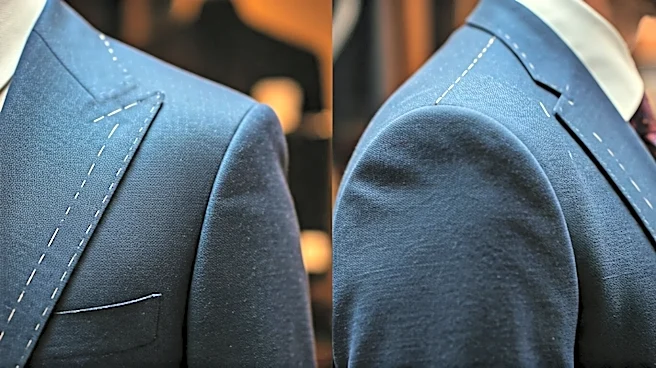
This is where the entire endeavor lives or dies. A loud, patterned suit can use its visual chaos to hide imperfections in tailoring. A baggy shoulder or a slightly-too-long sleeve gets lost in the noise. A clean, solid-colored suit offers no such camouflage. It’s an architectural blueprint of your body, and every single line has to be perfect. The shoulder seam must end precisely where your natural shoulder does—not an inch past it. The jacket must be suppressed at the waist to create a silhouette, not hang like a box. The trousers need the perfect “break,” where the hem just kisses the top of the shoe, creating a clean, uninterrupted line. With a simple suit, there’s no spectacle to hide behind. The fit *is* the spectacle. This level of precision requires an expert tailor and multiple fittings, an investment of time and money that many overlook.
Fabric Is the Main Event
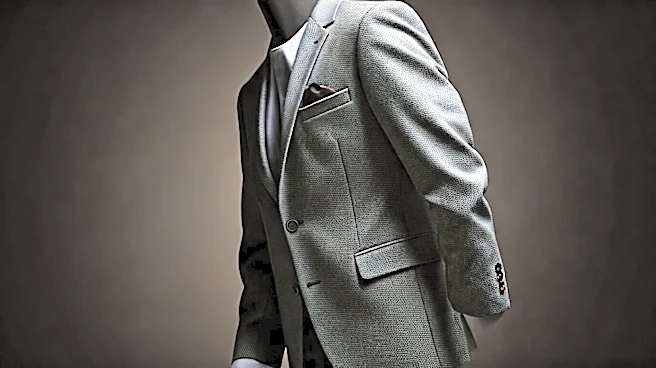
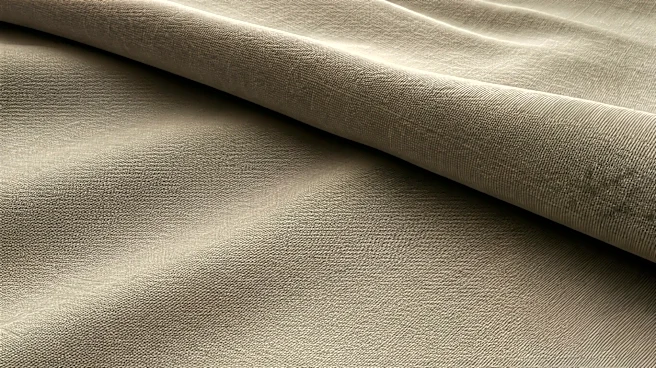
When you remove pattern and novelty, the material itself becomes the star of the show. A cheap, shiny polyester-blend suit in solid navy looks exactly like what it is: cheap. The way it reflects light is harsh, it wrinkles poorly, and it lacks the subtle depth and texture that gives a quality garment its character. A true minimalist suit relies on the beauty of the fabric. It could be a four-season wool with a beautiful drape that moves with the body, or a summer-weight linen blend that has a sophisticated, slightly rumpled charm. The color isn’t just “blue”; it’s a specific shade with depth, woven from high-quality yarns that give it a rich, handsome appearance up close. Without a great fabric, the “clean” suit just looks empty.
The Supporting Cast Is Magnified
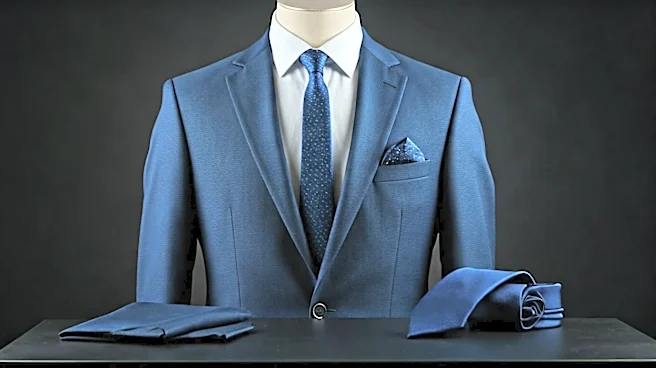
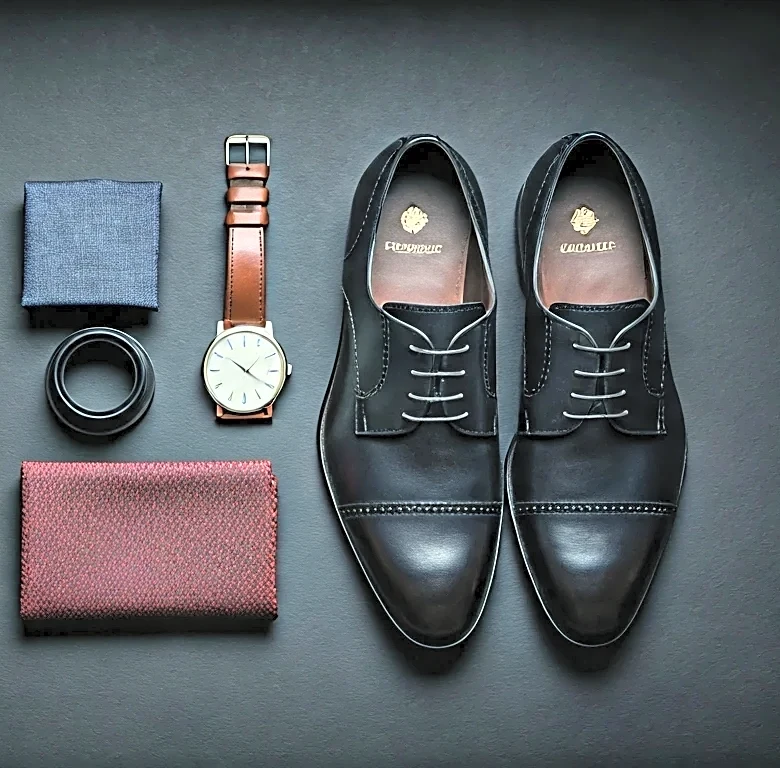
In a minimalist look, every single detail gets put under a microscope. The supporting cast of accessories and foundational garments becomes disproportionately important. The collar of the dress shirt, for example, must be perfectly chosen for the wearer’s face and sit correctly under the jacket lapels, with no unsightly gaps. The tie knot—a simple four-in-hand or half-Windsor—needs to be cinched cleanly, with a perfect dimple right below it. Even the shoes carry more weight. Scuffed, clunky, or poorly chosen footwear can single-handedly ruin the elegance of the entire outfit. A simple leather-band watch is an asset; a massive, gem-encrusted timepiece is a liability. When the main event is this restrained, the details aren't just details; they're everything.