



The Philosophy of the Inanimate Antagonist
To understand how a burst pipe could become a central figure in the show's final season, you first have to appreciate the show's core philosophy: in a high-pressure system, anything can become a point of failure. And in 'The Bear,' failure is always a character.
Remember the demonic, possessed-by-demons ticket machine of Season 1? It wasn’t just a machine; it was the relentless, screaming embodiment of the kitchen's chaos. The mold that plagued the rebuilt restaurant in Season 3 wasn't just a health code violation; it was a creeping, silent cancer threatening to undo all their progress. Even the single, lost fork that sent Richie spiraling in Season 4 became a symbol of the impossible standards they were trying to meet. These objects gain power because the show’s creators, Christopher Storer and Joanna Calo, understand that pressure reveals character. The object itself is never the point. The point is how the staff, already operating at their psychological limit, reacts to it. The burst pipe wouldn’t just be a leak; it would be the physical manifestation of the restaurant's precarious financial state and the cracks forming within the team itself.
The Symphony of Catastrophe
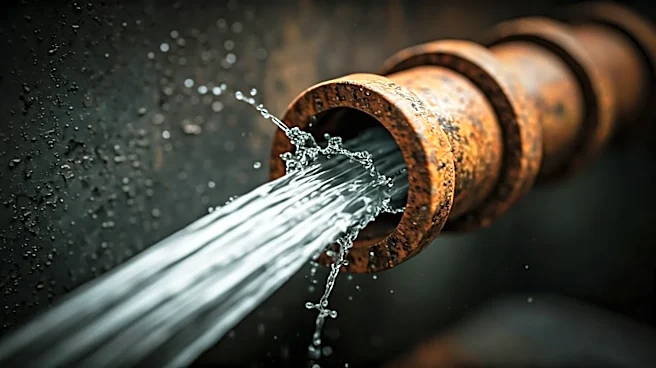
The show’s sound design is its secret weapon for inducing viewer anxiety. A burst pipe in the hands of this sound team would be a masterpiece of auditory torture. It wouldn’t start with a bang, but a whisper. Imagine a quiet, tender moment between Sydney and Marcus, suddenly punctured by a faint drip... drip... drip. The sound, captured with excruciating clarity, would become a maddening metronome counting down to disaster. The show’s editors excel at layering sounds to create a sense of overwhelming chaos. We’d hear the frantic, overlapping dialogue—Sugar on the phone with a plumber, Richie yelling for buckets, Fak trying to find the main valve—all while that initial drip escalates into a trickle, then a gush, then a roar. The score, if there is one, would cut out, replaced by the raw, visceral sounds of water destroying their dream. This intense focus on the sonic landscape ensures the audience doesn't just watch the crisis; they feel the sensory overload alongside the characters.
A Crisis of Character Projection
The pipe, like the ticket machine before it, ultimately becomes a screen onto which the characters project their deepest fears. For Sugar, the spreading water stain on the ceiling is a visual representation of their mounting debt and the potential collapse of the business she has poured her life into. For Sydney, now a full partner after Carmy’s departure at the end of Season 4, it’s a test of her leadership under fire—can she hold the team together when things are literally falling apart? For Richie, it is another chance to prove his competence, to be the guy who fixes things instead of messing them up. And for Carmy, who may be gone but is never far from their minds, the news of a burst pipe would echo his own internal feeling of being overwhelmed and broken. The inanimate object becomes a character because it forces each human character to confront their own narrative. Their fight against the water is a fight against their own anxieties, insecurities, and past traumas.
The Choreography of Controlled Chaos
Visually, the show would transform a plumbing emergency into a ballet of panic. Drawing on its signature use of long, unbroken takes and frenetic close-ups, the camera would become an active participant in the chaos. We’d follow Richie in one continuous, sweat-soaked shot as he sprints from the basement to the dining room, the camera bobbing and weaving with him, capturing the frantic energy of the moment. The editing would cross-cut between extreme close-ups: a hand desperately trying to tighten a valve, water seeping through drywall, Marcus’s face as he watches a newly prepped ingredient get ruined, Sydney’s eyes darting around as she tries to formulate a plan. Cinematographers Drew Wehde and Andrew Wehde have perfected a style inspired by filmmakers like Michael Mann and Martin Scorsese, which grounds the high-stakes drama in a visceral, tangible reality. The lighting would become harsher, the colors cooler, reflecting the cold dread of the situation. This visual language ensures that the burst pipe isn’t a static problem but a dynamic, aggressive force that invades their space and pushes them to their breaking point.