





It Comes With a Soundtrack
Every great cultural event has a soundtrack, and the World Cup manufactures one by design. Since 1998, FIFA has commissioned official anthems, turning the tournament into a global music festival. Think of Ricky Martin’s electrifying “The Cup of Life” (1998) or Shakira’s inescapable “Waka Waka (This Time for Africa)” (2010). These aren’t just songs; they are four-minute distillations of global unity and competitive fire, engineered for radio dominance and stadium singalongs. The music provides an easy, non-sports entry point. You don’t need to understand a 4-4-2 formation to feel the beat, creating a shared experience that transcends the action on the pitch. The song becomes the audio cue that for the next month, the world is paying attention
to one thing.
The Four-Year Narrative Arc
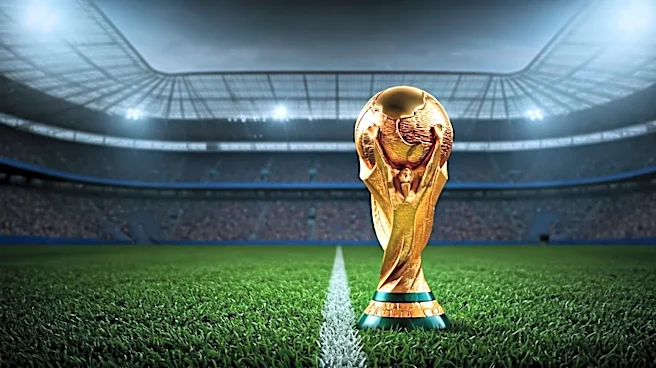
Most American sports have a yearly rhythm. The Super Bowl happens, and we get another one 12 months later. The World Cup’s four-year cycle is a feature, not a bug. This long gap creates epic, multi-part narratives that feel more like a prestige TV drama than a sports league. A team’s heartbreaking exit becomes the setup for a redemption story four years in the making. A young breakout star in one tournament returns as a seasoned, perhaps jaded, veteran in the next. Think of Lionel Messi’s long, agonizing journey to finally lift the trophy for Argentina in 2022. That victory wasn’t just the result of a month of good games; it was the culmination of a nearly two-decade story arc, providing a level of emotional payoff that annual championships can rarely match.
National Identity is the Main Character
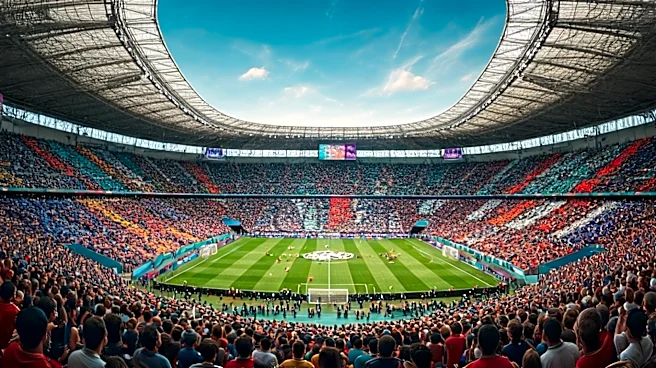
You’re not just rooting for 11 players; you’re rooting for a country. The World Cup transforms soccer into a proxy for national identity, history, and pride. Each team’s style is often framed as a reflection of its national character: the flair of Brazil, the tactical discipline of Germany, the scrappy resilience of the underdog. For immigrant communities in the U.S., it’s a chance to connect with their heritage in a powerful, public way. For everyone else, picking a team to support—whether it’s based on ancestry, a favorite player, or just a cool-looking jersey—provides an instant emotional stake. The games become less about athletic prowess and more about a global drama of us-versus-them, played out for 90 minutes at a time.
The Low-Stakes Entry Point
For the casual American viewer, the World Cup is incredibly accessible. Unlike the intricate playbooks of the NFL or the nuanced strategies of a seven-game NBA playoff series, the basics are universal and simple: get the ball in the other team’s net. The knockout-stage format is brutally easy to understand—win or go home. There are no electoral colleges or wild-card tiebreakers to decipher. This simplicity, combined with the clear emotional stakes of national pride, makes it the perfect “bandwagon” sport. It invites participation without demanding years of accumulated knowledge. It's a month-long party where everyone's invited, and the only price of admission is a willingness to cheer.
A Meme and Media Machine
The modern World Cup is built for the internet age. Dramatic dives, bizarre goal celebrations, and shocking upsets are clipped, GIF'd, and turned into memes within seconds. The shared, global appointment viewing creates a massive online conversation that pulls in even those not actively watching. Brands from Nike to Coca-Cola pour hundreds of millions into campaigns, creating iconic commercials that become as much a part of the experience as the games themselves. Broadcasters, especially in the U.S., frame the event with human-interest stories, turning players into compelling characters and providing context that makes the tournament feel like a must-see event, not just a series of soccer matches.