
Bohemia Is a Mindset, Not a Checklist
Before it was a rack of crochet tops and faux-suede fringe, bohemianism was a counter-cultural movement. It originated with artists, writers, and thinkers who rejected rigid social conventions. Their style
was an extension of that philosophy: personal, artistic, and unburdened by formality. True bohemian dressing isn't about following a trend; it's about a feeling of ease, creativity, and wearing clothes that feel like a personal discovery, not a uniform. It values natural fabrics, artisanal details, and a certain undone quality that can't be mass-produced. The goal isn't to look like you're going to a concert, but to feel an effortless connection between your clothes and your life.
The Rise of the Festival Caricature
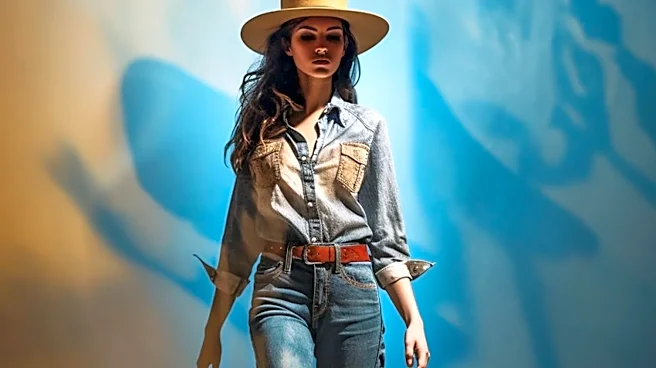
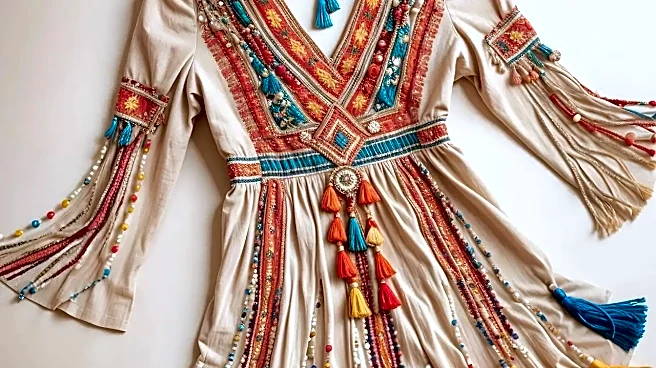
Somewhere along the way, this rich aesthetic got flattened into the modern “festival look.” This version is less about a personal philosophy and more about a commercially available costume. Think less Jane Birkin, more fast-fashion catalog. It often involves piling on every cliché at once: the flower crown, the synthetic lace, the ubiquitous fringe, and the glitter. While fun and expressive in its own context, this style often lacks the soul and substance of true bohemia. It’s a temporary look for a specific event, designed to be photogenic for a weekend rather than lived in. The materials are often chosen for price, not for the way they feel or move, creating a look that’s a caricature rather than an authentic expression.
The Chloé Detail: A Matter of Intention
This brings us to Chloé, the Parisian house that has been the standard-bearer for sophisticated bohemianism since its founding by Gaby Aghion in 1952. The “detail” that sets its style apart isn't a single item, but an overarching philosophy of intentionality and craft. Under new creative director Chemena Kamali, who has masterfully revived the house's 1970s DNA, this is clearer than ever. It's in the choice of fabrics: ethereal lace, sun-faded cottons, silk charmeuse, and real suede that moves with the body. It’s in the cut of a blouse that appears simple but is perfectly engineered for a beautiful, billowy drape. Kamali herself avoids the term "boho," preferring to speak of "natural beauty and undoneness" and a feeling of freedom. This isn't about looking like a hippie; it's about embodying a sense of liberated elegance.
Fluidity, Fabric, and Freedom
Recent Chloé collections showcase this difference perfectly. Ethereal dresses with intricate lace are balanced with structured, high-waisted trousers. Flowing capes and ponchos emphasize ease of movement, a core tenet of the brand since its inception. The accessories are just as deliberate, from bags with artisanal hardware to wedge sandals that suggest a life of sophisticated leisure, not a dusty field. Kamali’s vision for Chloé, seen in her Spring 2025 "Freedom Collection," is full of pieces that feel "lost and found," evoking a sense of treasured nostalgia rather than disposable trends. The use of archival prints from 1977 or playful details like shell charms on bags adds a layer of history and personality. It's this commitment to quality, movement, and a softly spoken confidence that separates the Chloé woman from the festival-goer. She isn't wearing a costume; she's simply, and beautifully, herself.