
It's Not a Performance; It's a Reunion
The first thing to understand is that for a die-hard fan, a concert isn’t a transactional exchange of money for flawless musical execution. It’s the culmination of a relationship. This is the core of the parasocial bond: a one-sided connection where a fan feels
a genuine friendship with an artist they've never met. They’ve listened to their songs during breakups, celebrated with their music, and followed their life on social media. When that artist takes the stage, the fan isn’t seeing a stranger—they’re seeing the person whose lyrics got them through a tough time. A cracked note isn't a professional failure; it’s a moment of relatable humanity from a 'friend.' Forgiveness isn't even a question, because you don't judge a friend for being human. You just hand them another beer and keep singing along.
The Festival Atmosphere Trumps A-Notes
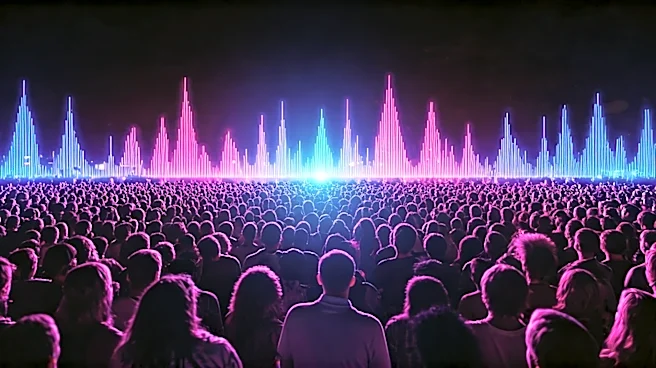
CMA Fest isn't just a series of concerts; it’s a four-day pilgrimage to the heart of country music. Fans plan their vacations, save their money, and travel thousands of miles to descend on Nashville. The primary product they’re consuming isn’t perfect pitch—it’s the collective experience. It’s about the heat, the energy of the crowd, and the feeling of being part of a massive, like-minded tribe. The goal is communal joy. In this environment, the sound of 50,000 people belting out the chorus to 'Friends in Low Places' is far more important than whether the person on stage is hitting every note with conservatory precision. The performance is a campfire, and the artist is just the one holding the guitar. The real magic is the circle of people singing with them. A vocal flaw doesn't break the spell; it’s an irrelevant detail in a much larger emotional experience.
Authenticity Is the Genre's Currency
More than perhaps any other genre, modern country music has built its brand on authenticity. The stories are about real life, the artists often cultivate a 'just like you' persona, and the ethos values grit over gloss. A perfectly polished, autotuned performance can sometimes feel sterile or distant within this framework. A moment of imperfection, however, does the opposite. A voice that cracks from emotion, a forgotten lyric that prompts a laugh, or a breathlessness from running across the stage—these aren't mistakes. They are proof of life. They signal that the performance is real, raw, and happening right now. It reinforces the artist's humanity and, paradoxically, strengthens their credibility. The fan thinks, 'See? They're not some slick pop machine. They're a real person, giving it their all.' In the authenticity economy, a rough edge is more valuable than a flawless surface.
The Sunk Cost of Fandom
Let's also be practical. The fan who has traveled to Nashville has invested significant time, money, and emotional energy. They’ve paid for flights, hotels, festival passes, and overpriced drinks. Psychologically, it’s very difficult to make that kind of investment and then admit the experience is disappointing. This is a version of the sunk cost fallacy. To protect their own emotional and financial investment, fans are highly motivated to have a good time. They enter the stadium primed for enjoyment, ready to interpret every event in the most positive light. A shaky vocal isn't a reason to be critical; it's an opportunity to show support and sing louder, thereby co-creating the fun they came for. They are not just spectators; they are active participants in ensuring the event’s success, both for the artist and for themselves.