



The 45-Second Reality
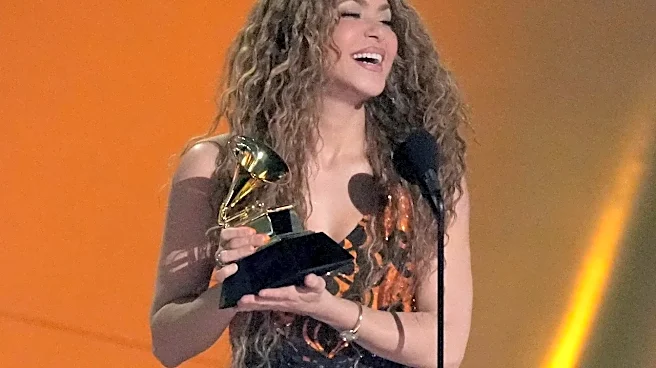
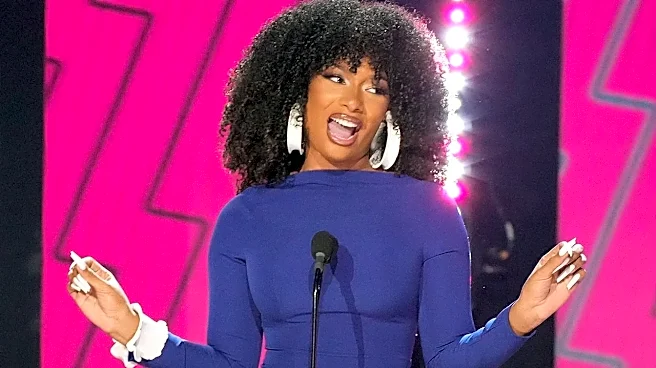
You’ve seen it a hundred times: the breathless list of thank-yous, the fumbled notes, the sudden pivot to a passionate political statement. While VMA speeches feel chaotic, they are governed by a surprisingly rigid, albeit often ignored, rule. At most
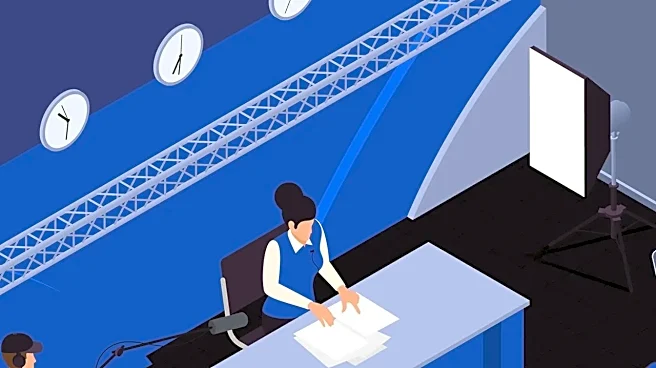
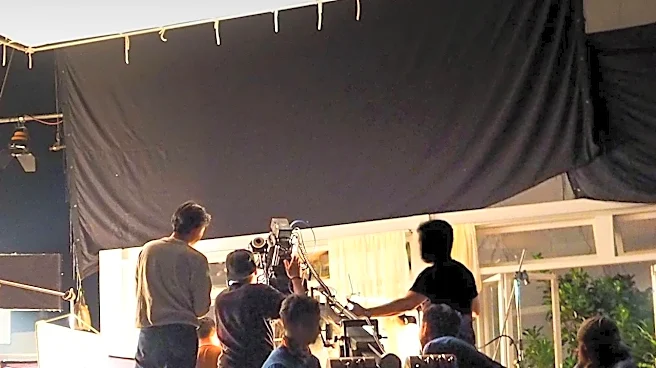
major award shows, including the Oscars and often the VMAs, winners are allotted a mere 45 seconds from the moment they take the stage. This isn't a gentle suggestion; it's a core component of a massive, multi-million dollar live production. A broadcast clock, the master schedule for any live TV or radio show, breaks the entire event down to the second. It dictates when every performance starts, when every commercial break hits, and, yes, how long a winner gets to bask in their glory. In the world of live television, time isn't just money—it's everything. Sticking to the schedule is crucial to avoid network fines and ensure the show doesn't run into the next scheduled program.
Cues, Clocks, and Orchestral Swells
So how do producers communicate that time is up without tackling a celebrity mid-thank-you? They use a series of increasingly unsubtle cues. The first warning is often a discreet digital clock or teleprompter message, sometimes placed at the back of the venue, counting down the seconds. You might see a winner glance down or past the camera—they're likely checking how much time they have left. The next stage is often a flashing red light. If an artist sails past that, producers resort to the nuclear option: the play-off music. That orchestral swell or upbeat pop track isn't a celebratory soundtrack; it's a polite, but firm, signal to get off the stage. At the VMAs, known for its freewheeling energy, these rules can feel more like guidelines, with some speeches running for two minutes or more, but the underlying pressure from the control room is always there.
Why TV Needs the Clock
To the viewer at home, cutting off an emotional artist can feel rude or even cruel. But for a network and its advertisers, it's a business necessity. A three-hour show like the VMAs is scheduled with military precision. The runtime accounts for the performances, the award presentations, and a significant number of commercial breaks that generate millions in revenue. If one long speech pushes a segment back by two minutes, that time has to be stolen from somewhere else—a presenter's banter might get cut, or a later award might be rushed. If the entire show runs long, it can create a domino effect for the network's entire primetime schedule. The broadcast clock isn't just a tool; it's the central nervous system of the entire production, keeping the sprawling, unpredictable beast of a live awards show from descending into total chaos.
Rebels Against the Machine
Of course, this is the VMAs—an event built on a legacy of rebellion. For every artist who dutifully wraps it up, there's another who sees the play-off music as a challenge. History is filled with artists who have ignored the clock to make a point. When Julia Roberts won her Oscar in 2001, she famously addressed the orchestra conductor directly, telling him to sit down because she had things to say. At the 2018 Golden Globes, Guillermo del Toro shushed the play-off music to finish his heartfelt speech. These moments become part of awards show lore, a fascinating tug-of-war between raw human emotion and the cold, hard demands of television. The VMA stage, in particular, has been home to some of the most memorable clock-defying moments, turning a simple thank-you into a lasting cultural statement.