


An Enduring Live Trope
You’ve seen it a dozen times. Bruce Springsteen lets the crowd carry the entirety of "Hungry Heart." Paul McCartney holds the microphone out for the iconic "na-na-na" finale of "Hey Jude." It's a move that transcends genre, used by legacy rock acts like
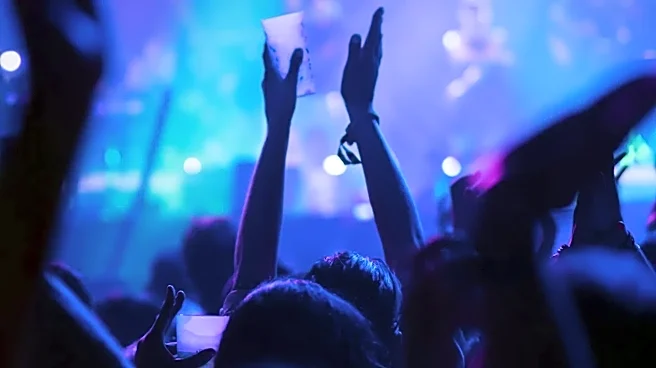
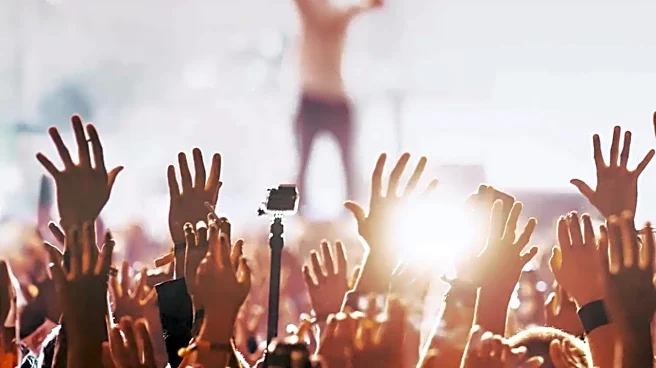
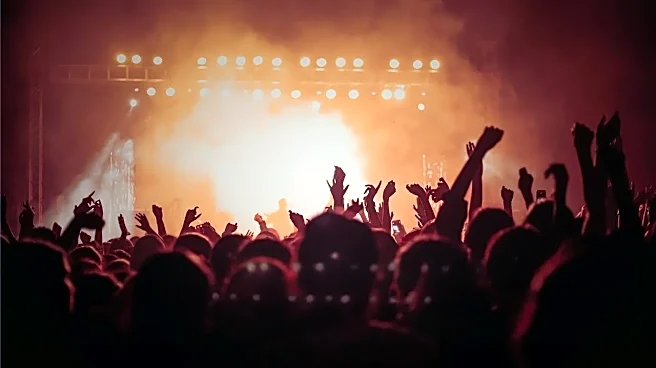
Queen, metal bands, and pop superstars alike. At first glance, it might seem simple, even a bit lazy—a chance for the singer to catch their breath. But this act of ceding the stage is a deliberate piece of performance craft. It's a planned moment of chaos, an invitation that transforms the audience from passive spectators into active participants in the show, creating a shared experience.
Why It's More Than Just a Break
For the artist, the payoff is immense. Hearing thousands of fans sing your words back to you is a powerful affirmation of your work's impact. It turns a personal composition into a public anthem. But the primary function of the trick is to forge a connection between the stage and the seats. A concert isn't just a recitation; it's a party, a communal gathering. By asking the crowd to sing, the artist breaks the fourth wall, making everyone feel like they are part of the band for a few exhilarating moments. This interaction elevates the energy in the room, making the experience more memorable and emotionally resonant for everyone involved.
The Psychology of the Singalong
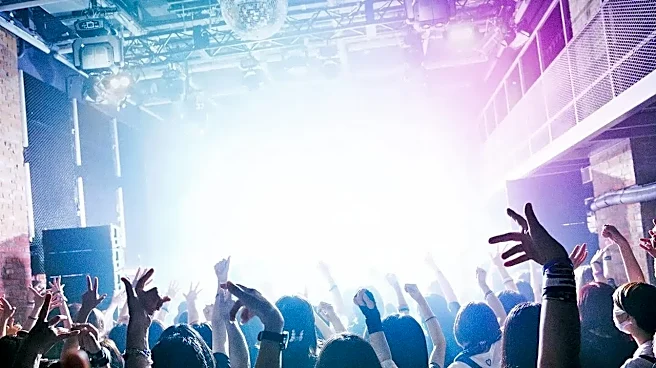
For the audience, the experience can be profound. Psychologists refer to the feeling of unity and shared emotion in a large group as "collective effervescence." When thousands of people synchronize their voices and even their breathing, it creates a powerful sense of belonging and togetherness. Studies have shown that collective experiences like attending a concert can increase feelings of happiness and social connection, and group singing itself can lower stress levels. You aren't just listening to a song; you are embodying it. This shared catharsis fosters a bond not just with the artist, but with the strangers standing next to you, all united by the same lyrics and melody.
The Art of the Hand-Off
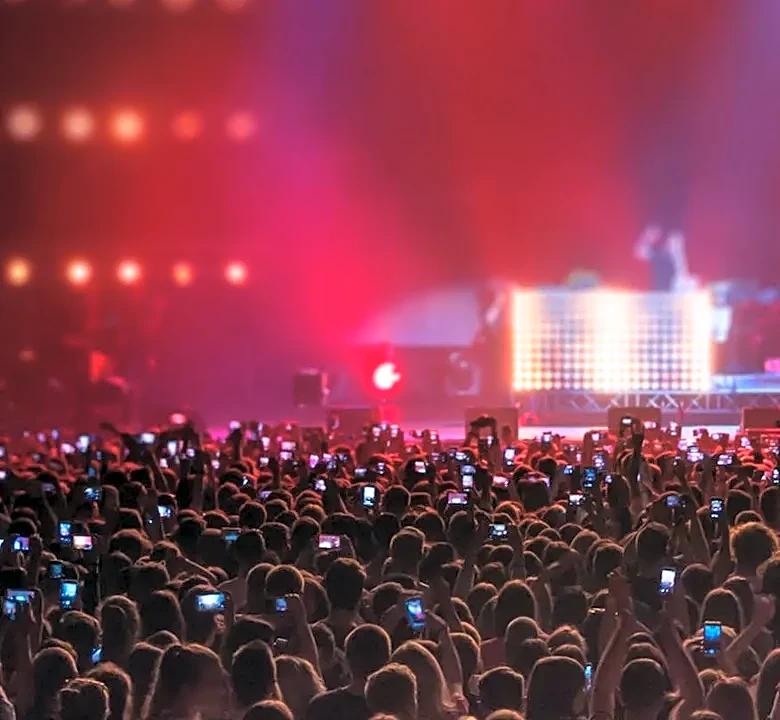
Executing the perfect crowd singalong is an art. It requires choosing the right song—usually a well-known hit with a simple, repeatable, and emotionally charged chorus. The artist must build the energy correctly and use clear, non-verbal cues to signal the hand-off. It’s a moment of trust, where the performer relinquishes control and lets the song become the crowd's property. When done well, it’s a seamless transfer of energy. However, the move isn't without its detractors. Some concertgoers express frustration, feeling they paid to hear the artist sing, not the off-key fans around them. The success of the trick often depends on the context, the song, and the artist's ability to make the moment feel earned and inclusive rather than like a gimmick.