






The Myth: Goals Equal Glory
In soccer, the striker is the tip of the spear, the player whose primary job is to produce the game's most valuable currency: goals. It’s an easy narrative to love. Players like Erling Haaland, Cristiano Ronaldo, and Robert Lewandowski dominate headlines
because their contributions are quantifiable and dramatic. They win the Golden Boots, command massive transfer fees, and often become the face of their clubs and national teams. Their moments of triumph are replayed endlessly, becoming the defining images of a match or a season. For the casual fan, the logic is simple: the person who scores is the most important player, and therefore, the biggest star.
The Reality: Genius Comes in Many Forms
While strikers enjoy the most obvious moments of glory, true stardom isn't solely measured in goals. The most revered figures in soccer history are often players whose brilliance was more subtle, but no less impactful. Stardom is a cocktail of talent, charisma, leadership, and cultural significance. A player who can control the entire flow of a game from midfield, or a defender who embodies unshakable strength and loyalty, can capture the public imagination just as powerfully as a 30-goal-a-season forward. The game's connoisseurs know that the goal is often just the final touch on a masterpiece painted by others.
The Conductors: Midfield Maestros
Some of the sport's most iconic names never consistently topped the scoring charts. Think of Zinedine Zidane. The French legend was the biggest star at every club he played for, including a Real Madrid team full of 'Galácticos'. His stardom came not from a high goal count, but from his sublime control, otherworldly vision, and the sheer elegance with which he dictated play. He was the team's brain and its soul. More recently, players like Luka Modrić and Kevin De Bruyne have achieved global superstardom for their ability to create chances out of thin air. They are the architects of victory, and fans recognize their genius as the engine that makes the whole team run.
The Pillars: Defensive Icons
It’s even rarer for a defender to become the biggest star, but when it happens, it’s a testament to a truly special player. Italy’s Paolo Maldini, who spent his entire 25-year career at AC Milan, is perhaps the ultimate example. He was the club captain, a symbol of loyalty, and widely considered one of the greatest defenders to ever play the game. His stardom transcended his position; he *was* AC Milan. In Germany, Franz Beckenbauer, nicknamed 'Der Kaiser,' redefined the defender's role by inventing the 'libero' (sweeper) position, stepping out from the backline to become an elegant attacker. He was the undisputed star of a World Cup-winning team, proving leadership and tactical innovation can be as captivating as a goal.
The Modern Hybrid Star
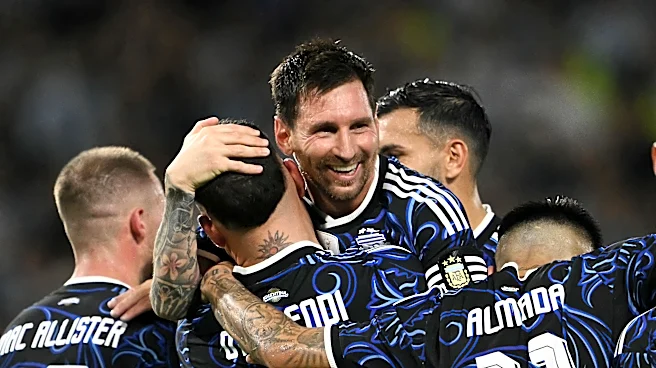
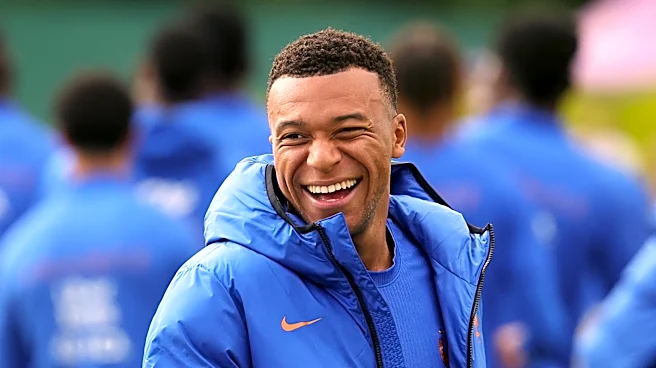
Today's game further complicates the myth. The lines between positions are blurring, creating hybrid players who do it all. No one exemplifies this more than Lionel Messi. While he has scored an astronomical number of goals, calling him just a 'striker' feels completely inadequate. He is his team's leading scorer, primary creator, and best dribbler all at once. His stardom comes from his total command of the game. Similarly, wingers like Mohamed Salah and Kylian Mbappé often start wide but are their teams' main goal threats and biggest names. They aren't traditional strikers, but they are undeniably the stars, proving that the player who captures our imagination doesn't have to fit into a neat positional box.