
The Prince of Prints and the Jet Set
To understand Monaco style, you have to understand Emilio Pucci. Before he was a fashion icon, the Marquis Emilio Pucci di Barsento was an Italian aristocrat, an Olympic skier, and a pilot. This background
gave him a unique perspective on clothing: it needed to be beautiful, but also functional, comfortable, and easy to travel with. When he began designing in the late 1940s, he broke from the rigid, structured fashions of the era. His genius was in creating lightweight silk jersey dresses, wrinkle-proof and packable, splashed with kaleidoscopic prints inspired by the vibrant mosaics and landscapes of his native Italy. He wasn't just selling clothes; he was selling a lifestyle. This was the uniform for the new, post-war 'jet set'—a wealthy, mobile class that hopped between glamorous locales like Capri, St. Moritz, and, of course, the French Riviera.
Monaco: The Perfect Stage
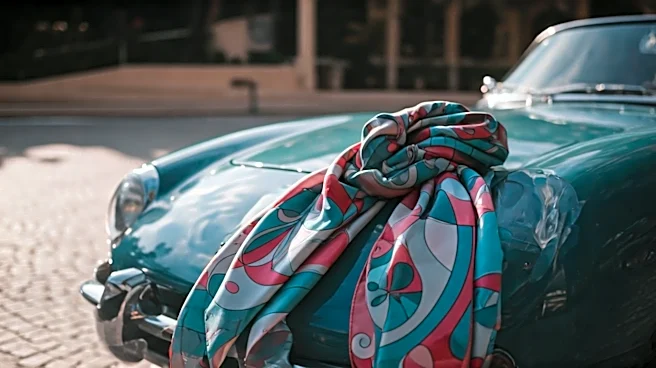
The Monaco Grand Prix, revived in 1955, became a premier event on the jet-set calendar. It was the perfect backdrop for Pucci's vision. The brand’s energetic, swirling patterns in shades of turquoise, fuchsia, and citrus orange seemed to absorb the Mediterranean sun. It was clothing made for lounging on a yacht, sipping cocktails at the Hôtel de Paris Monte-Carlo, and watching race cars blur past from a sun-drenched balcony. Celebrities and royals, from Grace Kelly (by then Princess of Monaco) to Elizabeth Taylor and Jacqueline Kennedy, were photographed in his designs. Pucci wasn't just a designer they wore; his aesthetic became intertwined with the very identity of Riviera glamour. The clothes represented freedom, optimism, and an unapologetic embrace of leisure and luxury—the very essence of the Grand Prix weekend.
The Difference Between a Label and a Vibe
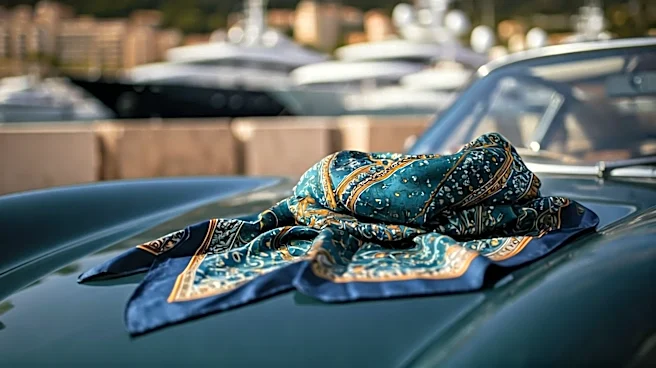
Decades later, you may not see the paddock packed with head-to-toe vintage Pucci. But the brand's 'energy' is everywhere. This is the crucial distinction: it’s not about the label, but the aesthetic blueprint Pucci established. The Pucci vibe is a celebration of 'la dolce vita' translated into clothing. It’s about effortless silhouettes that don't try too hard—think flowing kaftans, wide-leg silk trousers, chic little shift dresses, and scarves worn as headbands or tied to a handbag. It’s about color that is bold and joyful, not muted and serious. It’s a style that says, 'I am here for pleasure.' This DNA is so powerful that it has outlived fashion's fleeting trends and become a perennial code for sophisticated resort wear.
Decoding Today's Grand Prix Style
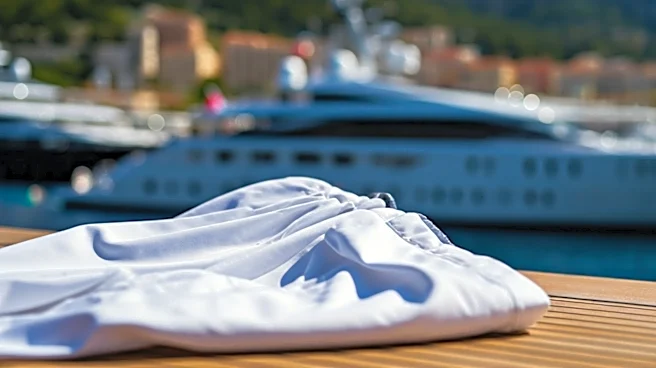
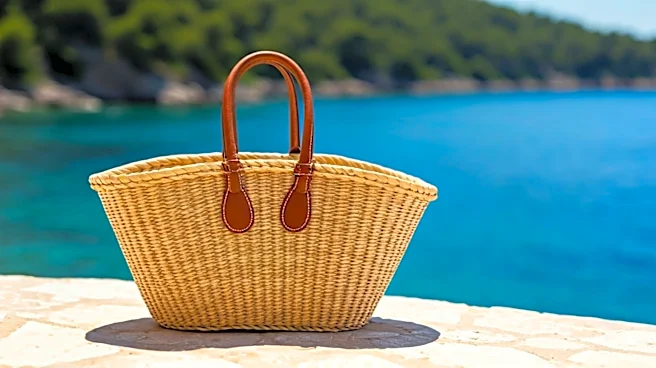
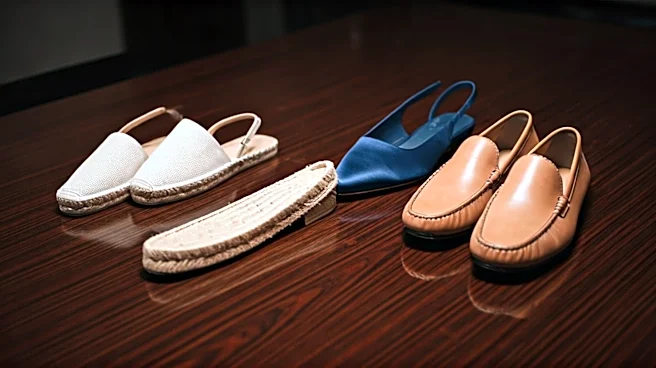
Look at photos from any recent Monaco Grand Prix. You'll see the Pucci spirit reinterpreted for the 21st century. Spectators and celebrities alike lean into the same core ideas. A guest might be wearing a printed two-piece set from Zimmerman or a flowing floral dress from Dolce & Gabbana, but the principle is the same: bold pattern, easy silhouette, and a sense of occasion. The modern uniform includes oversized sunglasses, espadrilles or stylish flats (navigating Monaco's hills in stilettos is a rookie mistake), and a beautifully crafted basket bag. Men, too, participate with crisp linen shirts, tailored shorts, and loafers. It's a look that balances comfort with undeniable chic, perfectly suited to a day that moves from the roaring track to a serene seaside lunch. It's not a costume; it’s a confident understanding of the environment. The clothes are not trying to compete with the main event; they are part of the spectacular scenery.