




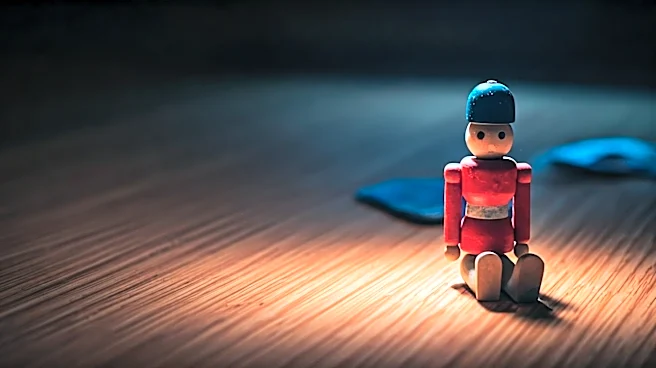


The Original Existential Crisis
From its very first frame, the *Toy Story* franchise was built on a single, potent childhood anxiety: the fear of being replaced. In 1995, the threat was a shiny new space ranger named Buzz Lightyear, a toy whose technological swagger made a simple pull-string
cowboy feel obsolete. Woody’s panic wasn't just about losing his spot on the bed; it was about losing his purpose. For nearly three decades, every film in the series has found a new way to explore this theme. Sid’s Frankenstein creations, the heartbreak of Emily’s abandonment, the looming specter of Sunnyside Daycare, and the ultimate bittersweet farewell to Andy’s college-bound life—it’s always been about the changing nature of play and a toy’s place in it. The central conflict has never been good vs. evil, but relevance vs. obsolescence. This is the secret sauce that makes these movies resonate so deeply with adults. We see our own anxieties about aging, change, and purpose reflected in these plastic figures.
A New Sheriff in Town: The iPad
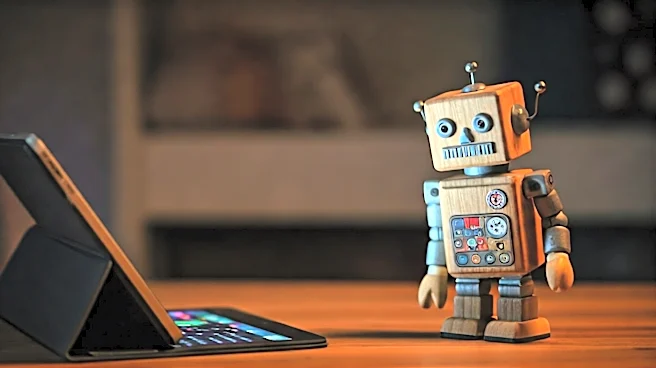
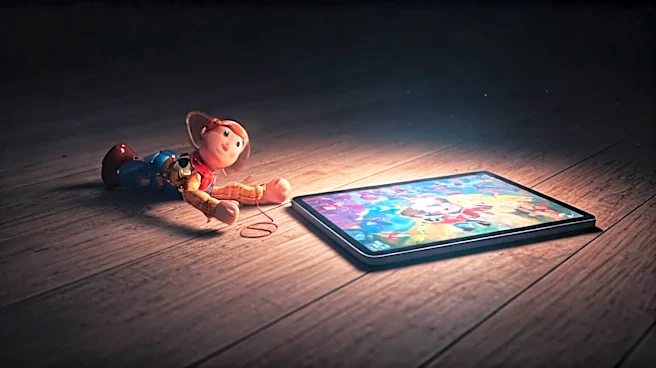
Now, fast forward to today. What is the single greatest threat to a physical toy’s relevance? It isn't a flashier action figure. It’s the glowing, mesmerizing, all-consuming rectangle in every kid’s hands. The new sheriff in town isn’t a toy at all; it’s an iPad. The competition for a child's attention is no longer on the shelves of Al’s Toy Barn but on the home screen of a tablet. YouTube Kids, *Roblox*, *Minecraft*, and a thousand other apps offer endless, algorithmically optimized worlds that a static doll or action figure simply cannot compete with. This is the natural, terrifying evolution of the threat Woody has always faced. If *Toy Story 5* is to remain true to its thematic roots, it cannot ignore the 800-pound gorilla in the playroom. The existential dread of being left on the floor while a child zones out to a screen is the most potent, modern version of the franchise’s core idea. The battle is no longer for the title of 'favorite toy,' but for the very concept of tangible play itself.
Woody’s Anti-Screen-Time Argument
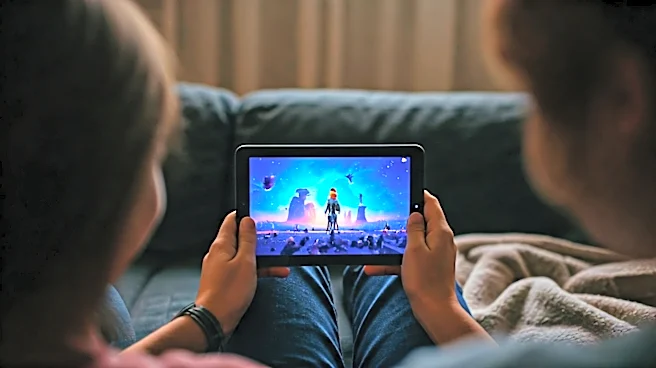
It’s easy to imagine the plot. Bonnie, or a new child, gets her first tablet. The toys watch in horror as she slowly disengages from the imaginative, analog worlds they create together. Woody, the ultimate champion of old-school play, would lead the charge against this digital intruder. His argument writes itself, because it’s the same one parents make every single day. He’d argue for the value of imagination—the kind that turns a cardboard box into a spaceship, not the kind that watches someone else play with a spaceship on YouTube. He’d champion tactile experience, social interaction, and the collaborative storytelling that happens when kids and their toys create a world together. For Woody and his gang—Jessie, Bullseye, Slinky Dog—play is an active, creative verb. The tablet represents passive consumption. Their mission wouldn't just be about getting played with; it would be a crusade to save the very soul of childhood play from the clutches of mindless scrolling and digital distraction. It’s the argument every parent who has ever sighed and set a screen-time limit will recognize instantly.
Buzz’s Pro-Tech Perspective (Sort Of)
But a great Pixar film is never that simple. The conflict needs nuance, and that’s where Buzz Lightyear comes in. Buzz has always been the futurist, the one who embraces the new. While he eventually learned the value of being a toy, his identity is rooted in technology and progress. He wouldn’t see the tablet as pure evil. He might see it as a new frontier. Perhaps he’d discover that the child isn’t just passively watching videos, but is using the device to code a simple game, build an elaborate world in *Minecraft*, or video chat with a grandparent. This introduces the other side of the parental debate: that not all screen time is created equal. There’s a vast difference between passive consumption and active creation. A character like Buzz could explore the idea that the digital world isn't a replacement for imagination, but a new canvas for it. This would create the film’s central philosophical conflict: Is technology a villain that destroys play, or simply a new tool that changes it? Woody represents tradition and tangible connection, while Buzz could represent thoughtful adaptation to the future.
The Debate That Leaves the Theater
This is why *Toy Story 5* could spark arguments in minivans all across America. The film wouldn't be providing easy answers, because there are none. Instead, it would be holding up a mirror to one of the most fraught subjects in modern parenting. After the credits roll, one parent might say, 'See? Woody was right. We need to hide the tablets.' The other might counter, 'No, Buzz had a point. We just need to find more creative apps.' The kids, meanwhile, would be caught in the middle, just like the child in the movie. By framing this complex, emotional debate within the beloved and trusted world of *Toy Story*, Pixar has the potential to create a powerful cultural touchstone. The movie would give families a shared language and a set of characters to map their own feelings onto, ensuring the conversation—and the debate—continues long after the lights come up.