





What Exactly Is Bonded Binding?
Bonded binding is a modern apparel construction technique that joins fabric panels together without using traditional needles and thread. Instead, manufacturers use specialized heat-activated adhesive tapes or films. By applying a precise combination
of heat and pressure, these adhesives melt and fuse the fabric edges, creating a single, seamless, and flat join. Think of it as welding for fabric. This process eliminates the raised, stitched seams that have been the standard in clothing for centuries, resulting in a garment that is smooth against the skin.
Stitched Seams vs. Bonded Seams
A traditional stitched seam, while strong, has several inherent drawbacks for an athlete. Every stitch creates a tiny hole and adds a ridge of thread, which introduces bulk, weight, and a potential source of friction. Over the course of a three-set match, this friction can lead to chafing and skin irritation—a needless distraction when you’re trying to focus on your opponent. Threads can also absorb sweat and salt, which may degrade them over time, and the seams themselves can limit the natural stretch of high-tech performance fabrics. Bonded seams, by contrast, are flat, flexible, and virtually weightless. Because there's no thread, the join moves as one with the fabric, offering superior flexibility and a cleaner, more refined feel.
The On-Court Advantage: Freedom of Motion
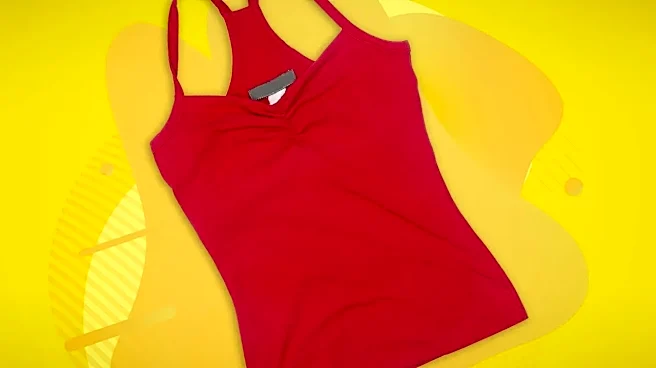
Tennis is a sport of explosive, multi-directional movement. From the full-body rotation of a serve to a lunging volley at the net, your apparel needs to move with you, not against you. The design of a tennis tank, particularly around the back and shoulders, is critical for enabling an unrestricted range of motion. Bonded seams enhance this freedom. By removing the slight rigidity of a stitched seam, bonded binding allows the stretch fabric to perform to its full potential. This is especially noticeable around the armholes and racerback cuts of a tennis tank, where a bulky seam could otherwise create subtle resistance during a powerful overhead or serve. It's a marginal gain that contributes to smoother, more fluid mechanics.
Winning the War on Distraction
Peak athletic performance is as much about mental focus as it is physical prowess. Anything that pulls your attention away from the next point is a liability. An uncomfortable piece of clothing—a rubbing seam, a hot spot, or a strap that digs in—is a classic example of a preventable distraction. The primary benefit of bonded binding is the dramatic improvement in comfort. By creating a completely smooth surface against the skin, it virtually eliminates the risk of chafing, even during intense, prolonged play in hot conditions. When you're not subconsciously bothered by your gear, you can dedicate 100% of your focus to strategy, execution, and winning the match.
Durability and a Modern Aesthetic
A common question with any new technology is its durability. While it might seem like glue would be less robust than thread, modern thermal adhesives create an incredibly strong and flexible bond. These seams are often more resistant to degradation from sweat and salt than traditional thread. They also contribute to a sleeker, more minimalist aesthetic that is popular in modern sportswear. The clean lines and seamless finish not only look good but also speak to the advanced engineering of the garment, providing a psychological edge that comes with feeling like you’re wearing the best equipment for the job.