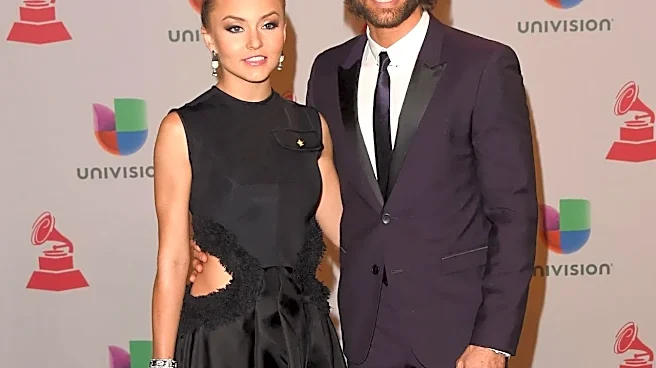







Every year, the Latin Grammy for Album of the Year sparks a passionate debate, but 2026 feels different. At the heart of the storm is Karol G and her blockbuster album, 'Tropicoqueta,' a record that has dominated charts and conversations.
The Album at the Heart of It All
The album at
the center of the storm is 'Tropicoqueta,' a sun-drenched, flirtatious project that saw Karol G pivot from the heavier emotional themes of her past work toward pure, Caribbean-flavored joy. The title itself, a blend of 'tropical' and 'coquette,' perfectly captures the album's energy. Commercially, it was an unstoppable force, building on the historic success of her previous albums to become a global phenomenon. But its nomination for Album of the Year isn't just about sales; it represents the peak of pop reggaeton, a sound Karol G has masterfully crafted and exported to a worldwide audience. The album is slick, accessible, and packed with hits, making it an undeniable contender but also a lightning rod for criticism.
A Field of Critical Darlings and Legends
Standing opposite Karol G's pop behemoth is a diverse field of nominees. You have Spanish superstar Rosalía with 'LUX (Complete Works),' another boundary-pushing project from an artist the Academy has historically adored. There's also the celebrated Uruguayan singer-songwriter Jorge Drexler with 'Taracá' and the rising Argentine rapper Milo J with 'La Vida Era Más Corta.' The list is rounded out by respected figures like Mexico's Carín León and Chile's Mon Laferte, alongside alternative acts and Brazilian superstar Anitta. This eclectic mix pits massive mainstream appeal against niche critical acclaim and the work of beloved industry veterans, setting the stage for a classic award-show showdown.
The Real Debate: Pop vs. Prestige
The debate around 'Tropicoqueta' is a familiar one for the Latin Grammys, which have often faced criticism for favoring either mainstream pop or legacy acts while overlooking groundbreaking new movements. On one side, Karol G represents the undeniable power of popular music. She sells out stadiums worldwide and has become the face of modern Latin music for millions. An award for 'Tropicoqueta' would be a validation of that global dominance. On the other side, critics argue the album, while fun, is perhaps too commercially calculated for an international audience and lacks the artistic depth of some competitors. They point to nominees like Silvana Estrada or Jorge Drexler as representing a more 'pure' or 'serious' form of artistry that the Academy should reward to maintain its prestige.
Why This Year's Award Matters
This isn't just about one trophy. The Latin Recording Academy is at a crossroads. For years, it has faced accusations of being out of touch, whether by sidelining the explosive growth of regional Mexican music or by creating controversy with its decision to host the awards in Spain. Awarding Album of the Year to Karol G would signal an embrace of the genre that currently rules the global pop landscape. It would be a nod to commercial reality and the power of a female artist who has shattered barriers in a once male-dominated field. A loss, however, could be seen as a snub to the biggest movement in modern Latin music, reinforcing the idea that massive popularity and artistic merit are mutually exclusive in the eyes of the Academy.