




The Anatomy of an NBA Hot Take
In the NBA, the superstar is the sun. The conversation, the strategy, and the team-building all revolve around one or two players. This leads to the rise of what analysts call the “heliocentric” offense. When a team features a player like Luka Dončić,
the plan is simple: give him the ball and let him create. He dictates the pace, initiates the plays, and takes the majority of the shots. His usage rate—a measure of how many team plays he's involved in—is astronomical. This makes him the hero in victory and the primary target in defeat. Post-championship losses, the discourse inevitably asks if you can truly win with a star who so completely dominates the ball, questioning if his style of play is conducive to a title. The criticism is personal, aimed at the star’s will, his leadership, and his ability to “make others better.” It's a debate about individual character as much as it is about basketball.
Lost in Translation on the Pitch
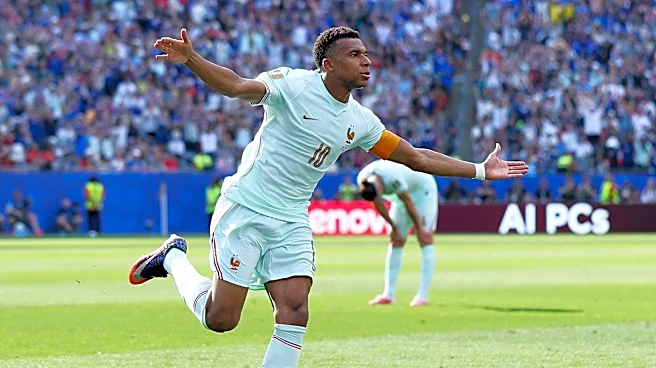
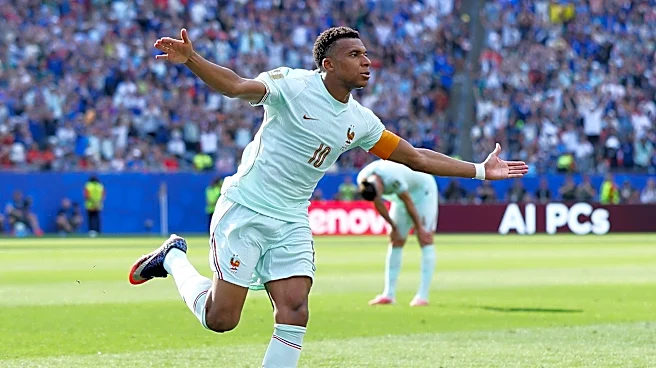
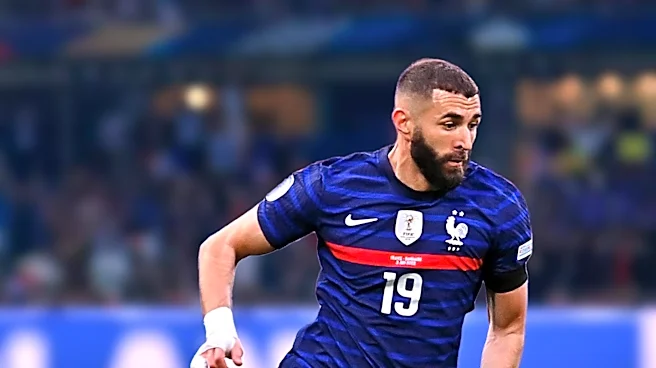
Now, let’s take that same argument to the soccer pitch. A player like France's Kylian Mbappé is, by any measure, a generational talent. He’s blindingly fast, a clinical finisher, and the undisputed focal point of his national team. After a disappointing exit from a major tournament, the whispers start: is he the problem? French papers have questioned his effectiveness, handing out brutally low ratings and lamenting his failure to carry the team. It sounds like the same hot take. But here’s where it hits different. In soccer, one player simply cannot control a game the way a basketball player can. There are 11 players on a side, spread across a massive field, in a game that flows continuously without set plays for 45-minute halves. A single player, no matter how brilliant, might only touch the ball a few dozen times. Mbappé’s failure wasn't seen as a simple character flaw, but a complex mix of injury, tactical constraints, and underperforming his expected goals metric (xG).
It's About Systems, Not Just Stars
The fundamental difference lies in the sports' DNA. Basketball is a game of possessions, structured around individual creation. A star's high usage rate can be a direct path to an efficient offense. Soccer is a game of space, systems, and collective movement. An individual’s brilliance is an ingredient, not the entire recipe. A soccer star must find a way to thrive within a manager’s tactical system. They can bend a game, but they rarely break it open by themselves. Mbappé’s impact, for instance, is often described by the “gravity” he creates—how his runs pull defenders out of position, opening up space for his teammates. So, when he's criticized, the debate is less about his individual will to win and more about whether the team's system is maximizing his talents or if he is fitting into the system correctly. It's a tactical puzzle, not a moral referendum on one player.
Two Cultures, Two Conversations
This structural difference creates two entirely different media and fan cultures. NBA discourse is a serialized drama about legacies. The question is always whether a star has the “clutch gene” or the right mentality to be a champion. The entire sport is framed as a series of individual quests for greatness. Soccer culture, particularly in Europe, is more collectivist. While stars are celebrated, the manager is often seen as the primary author of the team’s success or failure. The conversation revolves around formations, pressing triggers, and tactical discipline. Criticizing a star player in soccer is often a proxy for criticizing the coach or the overall team strategy. The “hot take” that sounds identical on the surface is actually asking two different questions. In the NBA, it’s: “Is he the right kind of hero?” In soccer, it’s: “Is he in the right kind of system?”