




The Anatomy of Anxiety
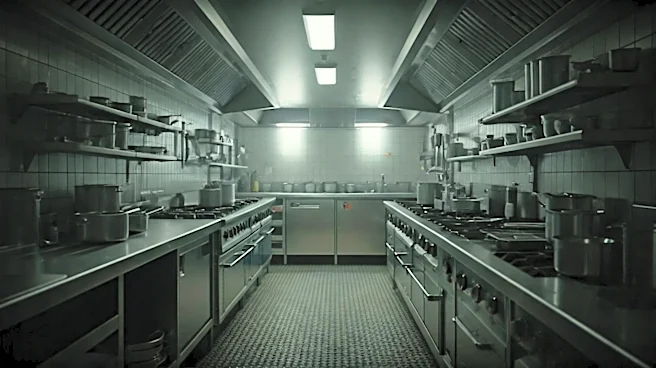
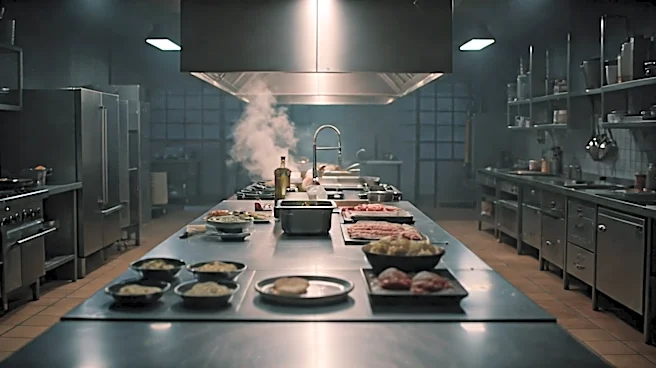
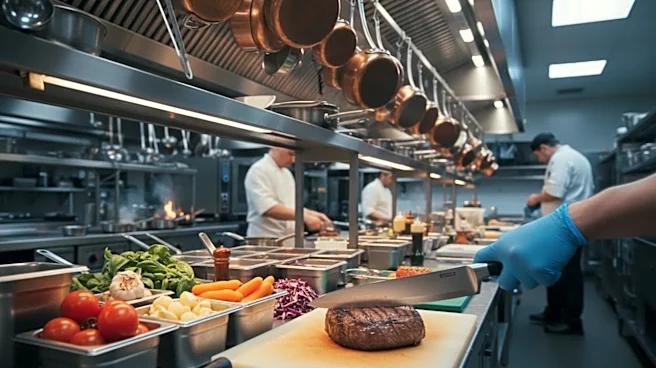
Look no further than Season 1’s now-legendary seventh episode, “Review.” For nearly 18 agonizing minutes, the camera doesn’t cut. It weaves, ducks, and pivots through the claustrophobic kitchen of The Original Beef as a digital ticketing machine goes
haywire, spitting out an impossible number of orders. The tension is suffocating. The camera’s refusal to look away forces the audience to experience the mounting panic in real-time, right alongside Carmy, Sydney, and the crew. There is no escape, no quick cut to another scene for a moment of reprieve. As actor Jeremy Allen White noted, the technique prevents the audience from getting a break from the building tension. This isn't just showing us chaos; it's making us feel it in our bones. It’s a masterclass in using a camera not just to observe, but to generate raw, visceral emotion. The long take transforms the viewer from a passive observer into an active participant in the kitchen's meltdown.
From Chaos to Clarity
But to pigeonhole the long take as merely a device for anxiety would be missing the point. The show proves the technique's versatility in Season 2 with “Forks,” an episode that trades overwhelming stress for profound character transformation. Here, the camera follows the perpetually agitated Richie as he 'stages' at a high-end restaurant, a world away from the gritty sandwich shop. For one full week, he does nothing but polish forks, an experience that slowly breaks down his abrasive exterior and rebuilds him with a newfound sense of purpose and respect. The patient, observant cinematography mirrors Richie's journey. Instead of frantic movement, the camera glides, capturing his gradual shift from resentment to quiet pride. The long take here isn't about stress; it's about the passage of time and the space required for genuine change. It maps an entire emotional arc without the need for jarring edits, allowing the performance and the environment to tell the story.
A Rebellion Against the Algorithm
This deliberate pacing is a quiet act of rebellion. We live in a media environment dominated by what could be called the "TikTok cut"—a barrage of quick, disjointed visuals designed for maximum stimulation and minimum attention span. Fan edits and trailers on the platform can condense entire character arcs into 30 seconds, prioritizing emotional snapshots over narrative buildup. 'The Bear' does the opposite. Its long takes are a bet on the audience's intelligence and patience. The show trusts that we can find the drama in a shared glance, the meaning in a quiet moment of food prep, and the story in the uninterrupted flow of action. It rejects the idea that viewers must be constantly entertained with new visual information to stay engaged. By demanding focus, 'The Bear' offers a deeper, more satisfying form of engagement, proving that audiences are still hungry for immersive storytelling that respects their ability to simply watch and feel.
The Power of Unbroken Reality
Ultimately, the long takes contribute to the show's signature authenticity. By avoiding cuts, the camera creates a 'fly-on-the-wall' feeling, blurring the line between scripted drama and documentary. We feel like we’re in the room where it happens, smelling the onions, hearing the sizzle, and feeling the heat. Cinematographer Andrew Wehde and series creator Christopher Storer use this technique not to show off, but because it serves the story. The continuous shot maintains the illusion of an unbroken reality, making the performances feel more natural and the environment more real. In a landscape saturated with hyper-stylized, rapidly edited content, 'The Bear's commitment to holding a shot feels refreshingly honest. It’s a powerful reminder that sometimes, the most effective way to tell a compelling story is to simply let it unfold, one uninterrupted, glorious, and stressful minute at a time.