
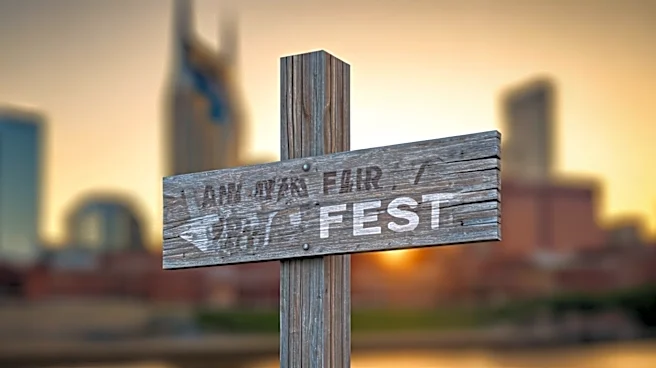
So, What's the Line?
There’s no single, magical string of words. But the sentiment is always the same, and it’s devastatingly simple. It’s some variation of this: “I can’t tell you how good it is to be here with y’all tonight.” Or maybe, “We wait all year for this weekend,
just like you do.” It sounds almost comically basic, right? It’s not poetic, it’s not clever, and it’s not a high-energy “How we doin’ tonight, Nashville?!” It’s something quieter, more intimate, even in a stadium built for titans. It’s a statement of mutual understanding. To an outsider, it might sound like generic stage banter. To a country music fan who has saved up, booked flights, and traveled across the country to be in that very seat, it’s everything. It’s the artist telling the audience, “I see you. I get what this means to you, because it means that much to me, too.”
The Power of Acknowledgement
To understand why this line lands, you have to understand CMA Fest. This isn’t just another stop on a summer tour. It’s not Lollapalooza or Coachella, where the festival itself is the main character and artists are a rotating cast. CMA Fest is a pilgrimage. Its roots are in an event called Fan Fair, which started in 1972 as a humble meet-and-greet designed to give fans direct access to their favorite stars. That DNA is still at the core of the four-day country music marathon that takes over downtown Nashville each June. Fans come from all 50 states and dozens of countries. They stand in line for hours in the Tennessee heat for a 30-second photo op or a quick autograph at the convention center. They bake on the blacktop watching up-and-comers play free stages on Broadway. They do this because country music has cultivated a unique culture where the line between fan and star feels permeable. The artists, many of whom were once fans in these same crowds, understand this pact. The opening line isn't a performance; it's a fulfillment of their side of the bargain.
It's Not a Gig, It's a Reunion
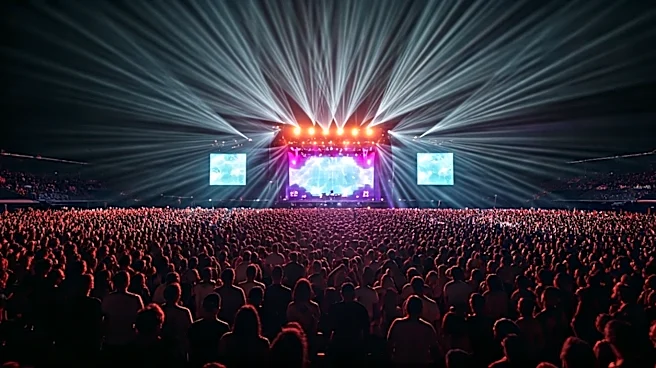
Think of it this way: a regular concert is a transaction. You buy a ticket, the artist plays their hits, you sing along, and everyone goes home happy. CMA Fest is a family reunion. When an artist steps on that stage, they’re not just playing for anonymous ticket-buyers; they’re playing for the people who fuel the entire Nashville ecosystem. These are the fans who call into radio stations, stream deep cuts, buy the vinyl, and wear the T-shirts until they fall apart. When Luke Combs or Lainey Wilson says they’ve been looking forward to this night, the crowd believes them. They know these artists will spend the week running on fumes, playing their stadium set, doing press, and showing up for surprise acoustic sets at a tiny bar because it’s CMA Fest. It’s the one week a year where the entire genre, from the A-list headliners to the aspiring songwriters, comes together to thank the people who make it all possible. The line works because it’s true.
Artists Who Master the Connection
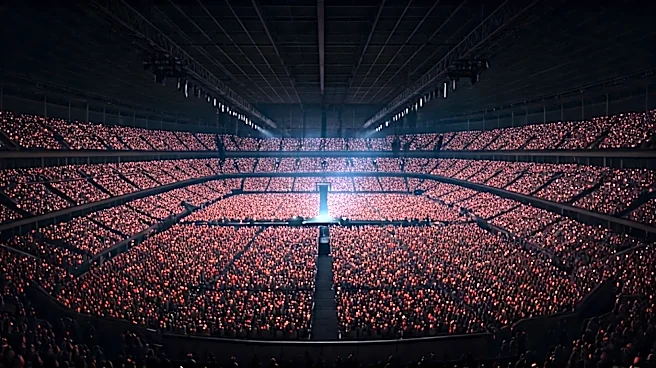
Some artists are masters of this. Garth Brooks built a legendary career on making a stadium of 70,000 feel like a living room, often looking genuinely overwhelmed with emotion at the crowd’s response. More recently, Luke Combs has perfected the everyman persona. When he’s on stage, he’s not a remote superstar; he’s a guy who loves singing country songs, and he seems genuinely grateful that so many people want to hear him do it. Lainey Wilson, with her salt-of-the-earth authenticity and constant shout-outs to her fans, embodies this spirit perfectly. Conversely, an artist who comes out with a slick, over-rehearsed, generic rockstar entrance can fall flat. The CMA Fest crowd can spot a phony a mile away. They don’t want to be performed *at*; they want to be sung *with*. They want to feel that the person on stage is part of the same tribe. The right opening line isn’t a trick to win them over—it’s confirmation that the artist already belongs.