



From Hollywood Cowboys to Nashville Royalty
The story of country music's opulent stage wear starts not in Nashville, but in Hollywood. In the mid-20th century, designers like Nathan Turk and Nudie Cohn began creating elaborate, eye-catching suits for singing cowboys like Gene Autry and Roy Rogers.
Turk, a Polish immigrant, and Cohn, a Ukrainian immigrant, independently developed a signature style that blended western wear elements—like fringe and smile pockets—with dazzling embroidery and, in Cohn's case, a whole lot of rhinestones. Cohn, who got his start designing G-strings for New York showgirls, eventually moved west and opened Nudie's Rodeo Tailors. He made a deal with musician Tex Williams: in exchange for a sewing machine, he'd make Williams custom stage clothes. Those vibrant, storytelling suits, which became known as 'Nudie Suits', were designed to make a performer visible even from the cheap seats, turning them into larger-than-life characters. Soon, everyone from Hank Williams to Elvis Presley was wearing his creations, cementing a look that was part cowboy, part showman, and pure country.
The Disciple Who Dressed the Man in Black
When Nudie Cohn was building his rhinestone empire, a young tailor from Mexico named Manuel Cuevas was his secret weapon. Manuel became Cohn's head designer and tailor, responsible for bringing many of the most famous Nudie Suits to life, including Gram Parsons' notorious marijuana-leaf adorned suit. He refused to make copies, ensuring every piece was unique. After branching out on his own in 1975, Manuel became the go-to designer for a new generation of stars. He famously created Johnny Cash's signature all-black look, a stark, moody counterpoint to the era's glitter. He also defined the aesthetic of neotraditional artists like Dwight Yoakam and Marty Stuart, blending rock and roll edge with Western heritage. Now in his 90s and based in Nashville, Manuel is a living legend who received a National Heritage Fellowship in 2018 and still works in his shop, continuing to shape the identity of country music one stitch at a time.
The New Guard of Glitz and Glamour
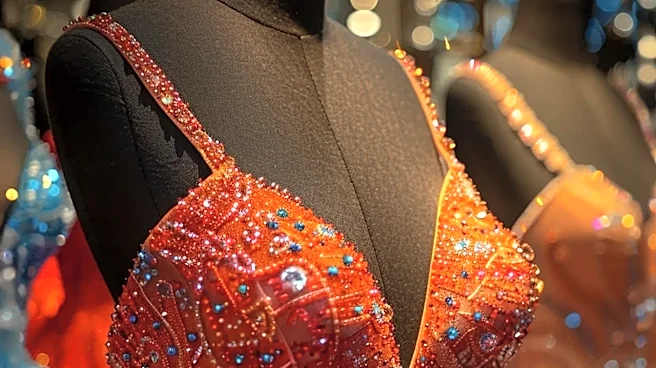
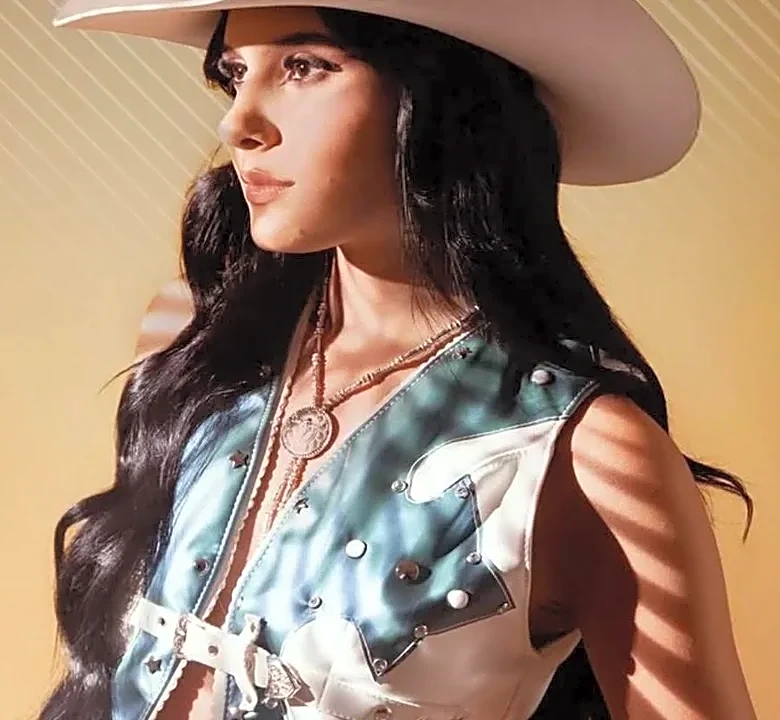
The spirit of the Nudie Suit is alive and well, thanks to a new generation of designers putting their own spin on the tradition. Brands like Union Western Clothing, founded by Jerry Lee Atwood, have created bespoke suits for stars like Post Malone and Lil Nas X, blending classic Western iconography with modern symbols like Magic 8 Balls. In Nashville, designers like Daniel Diamond are becoming favorites for their handcrafted rhinestone fringe jackets, which are often upcycled from vintage denim for a sustainable twist on luxury. His pieces have a rock-and-roll vibe that appeals to today's genre-bending artists. Other artisans, like Sarie Gessner and Austin's Fort Lonesome, focus on intricate, custom chain-stitch embroidery, creating wearable art that tells a personal story for the musician. This modern revival isn't just for country artists anymore; stars from Harry Styles to Beyoncé have embraced the 'cowboycore' aesthetic, proving the enduring appeal of the rhinestone cowboy.
More Than Just Sparkle
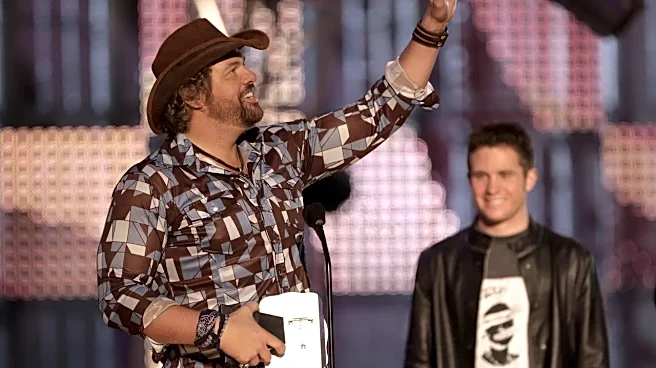
So why does this flamboyant style endure on nights like the CMAs? It's about more than just catching the light on stage. For many artists, these custom suits are a form of branding and storytelling, a visual connection to the legends who came before them. A suit might feature motifs from a hit song, an homage to an artist's home state, or personal symbols woven into the fabric. In an industry that often prizes authenticity, a hand-stitched, custom-made suit is the ultimate statement of individuality. It stands in direct opposition to off-the-rack fashion, offering a tangible link to a rich history of craftsmanship. It's a way for an artist to wear their story on their sleeve—literally. As mainstream fashion embraces Western elements, from luxury runways to fast fashion, the real deal from these rodeo tailors remains the gold standard.