
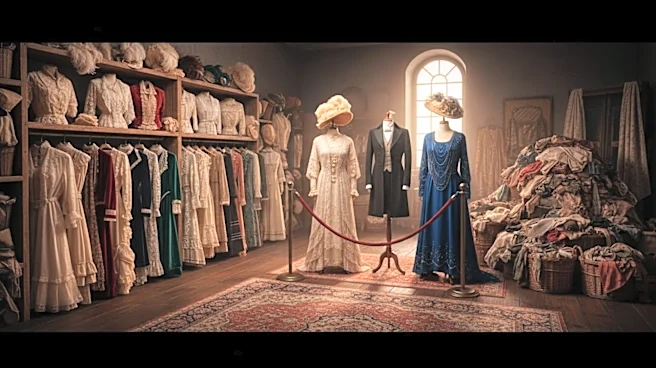


The Secret is a Process, Not a Product
The single biggest “secret” costume designers possess is understanding that a fabric’s starting price is irrelevant compared to how it’s treated. Expensive-looking fabric is defined by its behavior: its weight, drape, texture, and how it catches the light.
Inexpensive materials often feel flimsy, have an unnatural sheen, or hold wrinkles poorly. Professionals overcome this not by buying better fabric, but by making the fabric better. They use a combination of washing, dyeing, distressing, and construction techniques to add character and visual history to a garment, fooling the eye into seeing luxury where there was once only a bargain bolt of cloth.
Master the Art of the Dye Bath
One of the quickest ways to cheapen a look is with a flat, factory-issued color. Costume designers frequently use dye to add richness and dimension. A simple technique is to give a garment a quick bath in tea or coffee. This process, often used for aging, can instantly give white or light-colored fabrics a softer, more vintage and expensive-looking ecru or beige tone. It mutes overly bright colors and can make synthetic blends appear more like natural fibers. For a more modern look, a custom dye job using high-quality dyes can create a unique, saturated color that you’d never find on a fast-fashion rack, immediately elevating the piece.
Distress for Success
Brand new often looks cheap. True luxury pieces, especially those made of natural fibers like linen, cotton, and leather, gain character with age. Costume pros accelerate this process through distressing. This doesn't have to mean tearing holes. Gentle distressing can be as simple as washing and drying a garment multiple times with other items (like tennis balls or jeans) to break down stiff fibers and soften the drape. For a more aged look, artists use tools like sandpaper, cheese graters, and files to create subtle wear patterns on seams, cuffs, and collars—places where clothing would naturally show age. This adds a layer of authenticity that pristine, off-the-rack items lack.
It’s All About the Weight
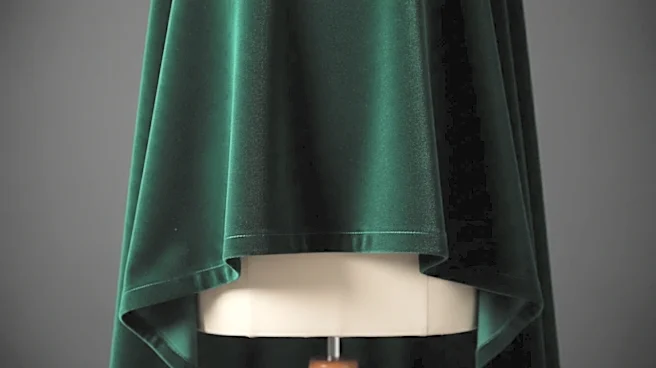
Inexpensive fabrics are often thin and lack body, causing them to cling awkwardly or hang lifelessly. A core trick of the trade is to add weight and structure. This can be achieved by flatlining, which involves mounting the primary fashion fabric onto a backing fabric, like cotton muslin. This simple step makes the garment feel more substantial, helps it hold its shape, and improves the drape dramatically. For pieces like drapes or dresses, adding a lining not only conceals construction details but also gives the item a heft that signals quality. Even something as simple as adding drapery weights to the hem of a skirt or curtain can make it move with a more elegant, controlled swing.
Focus on Fit and Finish
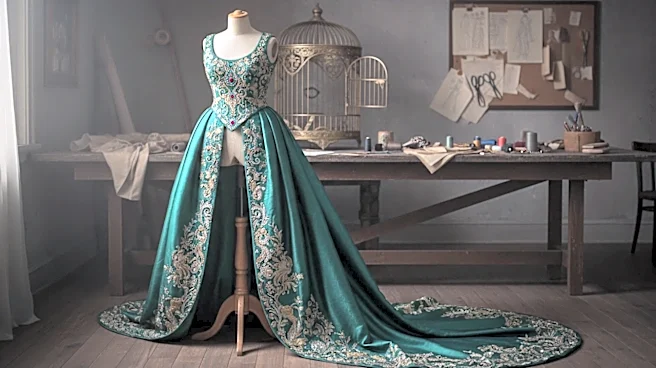
Nothing screams “cheap” like a poor fit. A garment that is perfectly tailored to the body always looks more expensive, regardless of the fabric. Costume designers are obsessive about fit. Beyond tailoring, they focus on the small details that signal quality construction. This means swapping out cheap, shiny plastic buttons for more substantial ones made of wood, metal, or horn. It involves ensuring all seams are perfectly pressed and finished, and that hems are even and appropriate for the fabric. They might add high-quality trims, ribbons, or subtle embroidery to draw the eye and create a focal point, distracting from any shortcomings of the base fabric itself.
Upgrade the Hardware and Accessories
Sometimes the fabric is only part of the story. A costume’s perceived value is often influenced by its accompanying elements. An inexpensive dress can look like a million bucks when paired with the right accessories. Costume designers know that upgrading zippers, clasps, and any visible hardware is a small change with a huge impact. Similarly, they carefully select shoes, bags, and jewelry that enhance the overall look. A well-chosen belt can cinch a less-than-perfectly-tailored jacket into a flattering silhouette, while a quality scarf can hide a less-than-luxurious neckline. It’s about creating a complete, cohesive vision where the entire look is greater than the sum of its parts.