





The Cool Escape and the First Blockbuster
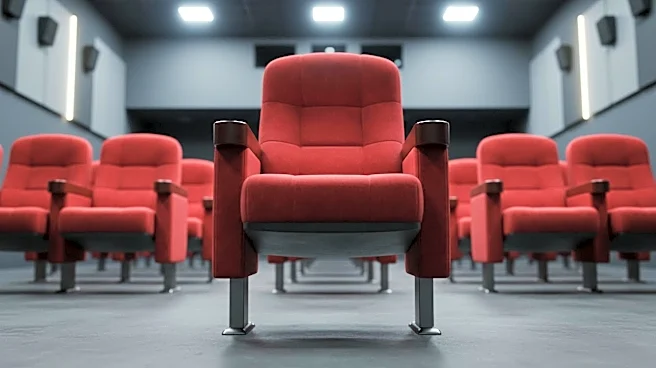
Before the 1970s, summer was often a dead zone for movie theaters. Without air conditioning, the venues were stuffy and uncomfortable, leading many to close down during the hottest months. But an invention by Willis Carrier changed everything. In the 1920s,
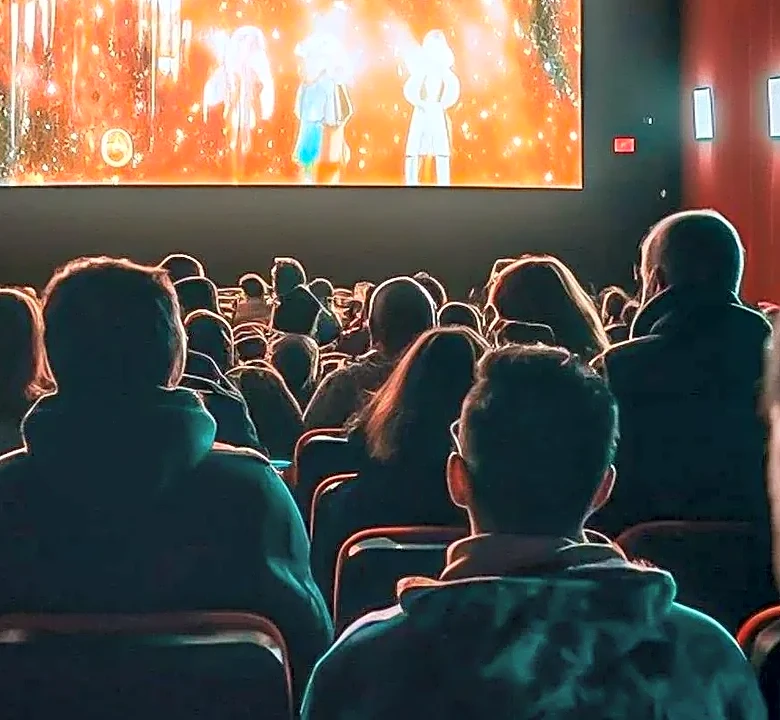
modern air conditioning systems began appearing in theaters, starting with venues like the Metropolitan Theater in Los Angeles and the Rivoli in New York. Theaters suddenly transformed from sweatboxes into cool, dark oases, and owners began marketing their “refrigerated air” as a primary attraction. For decades, this comfort was the main summer draw. Then, in June 1975, Steven Spielberg’s Jaws was released. Its massive success, fueled by a nationwide marketing blitz, established the model for the summer blockbuster: a high-concept, must-see event film that turned moviegoing into a cultural phenomenon. The combination was potent: an urgent reason to go to the movies, and a perfectly chilled room to escape the heat.
The Home Video Revolution Takes Over
The communal experience of the theater was just one part of the equation. The rise of home video in the 1980s put the power of programming directly into viewers' hands. The VCR, and later the DVD player, made it possible to collect, trade, and, most importantly, marathon entire film series from the comfort of the living room. Suddenly, you didn't need a repertory theater to show all three Star Wars films back-to-back; you just needed a VCR and a free Saturday. This created a new kind of summer ritual, especially for younger audiences: the movie-marathon sleepover. It was a chance to dive deep into a franchise or a director's filmography, pausing only for pizza and snacks. The transition from VHS to DVD in the late 1990s and early 2000s only amplified the trend, offering higher quality and easier navigation. The marathon was no longer just a public event but a private, customizable experience.
The Rise of Repertory Cinemas and Event Screenings
Even as home video thrived, a different kind of marathon culture flourished in cities across the country. Independent and repertory cinemas became havens for dedicated cinephiles, offering curated, all-day screenings that couldn't be replicated at home. Theaters like New York’s Film Forum and Quentin Tarantino's New Beverly Cinema in Los Angeles built loyal followings by programming double features, director retrospectives, and horror movie marathons on 35mm film. These events turned marathoning back into a communal celebration, uniting fans to experience their favorite films on the big screen, often with special introductions or Q&As. This movement proved that even with the convenience of home viewing, there was still a powerful appetite for watching films together, especially beloved classics that deserved the big-screen treatment.
The Modern Era of the On-Demand Binge
Today, the movie marathon has been supercharged by the streaming revolution. Services like Netflix, Hulu, and Max have made massive libraries of films and entire television series available on demand, popularizing the term “binge-watching” and making it a default mode of consumption. The concept of waiting a week for the next installment feels almost archaic. Now, an entire film franchise or a season of a show can be consumed over a single long weekend. This has fundamentally changed the rhythm of a marathon. It’s no longer a special occasion you have to plan for but an everyday possibility. While the setting has shifted from the frigid theater to the living room couch, the core impulse remains the same: the desire to immerse yourself completely in a story, shutting out the rest of the world for a few precious hours or days, especially when it’s too hot to do anything else.