








Start with the Fabric's Feel and Weave
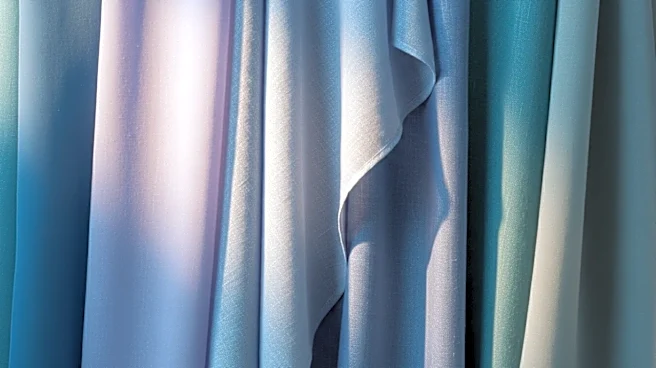
The soul of a trench coat is its fabric. Historically, the best were made from cotton gabardine, a tightly woven twill invented to be water-resistant yet breathable. When shopping, feel the material. Quality gabardine or a dense cotton blend should feel substantial
and structured, not flimsy. It should have enough weight to hold its shape and drape cleanly. Many fast-fashion versions use thin polyester or cotton blends that wrinkle easily and lack the crisp silhouette that defines the style. Check the tag for fabric composition; high-density cotton is a great sign, while a high percentage of polyester can mean a coat that traps heat and feels cheap.
The Lining Tells a Hidden Story
Never underestimate the inside of the coat. A quality lining is a hallmark of good construction, helping the coat glide on and off smoothly and adding to its durability. Cheaper coats often skip lining entirely or use thin, synthetic materials like polyester that don't breathe well. Look for linings made from breathable materials like cotton or viscose (also called rayon or cupro). A well-made coat will have a lining that is neatly stitched, and some higher-end versions may even feature a removable wool liner for all-season wear. This dual functionality is a clear indicator of a thoughtful, quality garment.
Examine the Hardware and Buttons
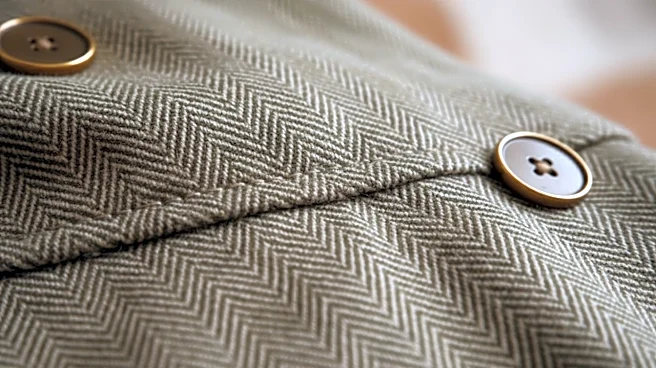
The buttons, buckles, and other trimmings are a direct window into the coat's craftsmanship. On a quality trench, these elements feel substantial. Buckles on the belt and cuffs should be sturdy, made of metal or leather-covered, not lightweight plastic that feels like it could snap. Buttons should be made of durable materials like horn or high-quality composites and sewn on securely. These may seem like small details, but they are often where manufacturers cut corners to save money. If the hardware feels cheap or flimsy, it’s a red flag for the overall quality of the garment.
Stitching and Seams Don't Lie
Take a close look at the seams. A well-constructed trench coat will have clean, precise, and dense stitching. There shouldn't be loose threads or puckering fabric. For true weather resistance, which is part of the trench coat's heritage, the best coats have taped or sealed seams to prevent water from getting through. This level of detail is a sign of superior construction that separates luxury or heritage pieces from mass-market versions. A back vent, a slit at the bottom of the back seam, is also crucial for allowing for ease of movement.
Check for Functional Military Details
The trench coat's classic features originated from its use by British officers in World War I, and each had a purpose. A quality coat honors this history with functional details. The flap of fabric on one shoulder is a storm flap, designed to keep water from running inside when buttoned. The straps on the shoulders, called epaulettes, were for securing gear. A throat latch allows the collar to be fastened snugly against wind and rain. On cheaper coats, these features are often purely decorative, flimsy, or omitted entirely. On a great trench, they are functional and robust, a tribute to the coat's practical origins.
It's All in the Cut and Structure
Finally, assess the overall structure. A good trench has a defined silhouette, with a collar that stands up properly and lapels that hold their shape. The shoulders should be well-constructed, giving the coat a confident line whether you choose a traditional set-in sleeve or a more relaxed raglan style. When you try it on, it should drape well without collapsing. Many stylists recommend sizing up slightly to allow for layering over sweaters or even a blazer, ensuring the coat remains functional and doesn't look too snug. A coat that hangs well on its own has the internal structure to last for years.