



We're fluent in the language of superhero origins: the radioactive spider bite, the tragic loss, the fateful accident. But what happens when a story starts not with a hero's journey, but with the birth of a world sung into existence?
The Modern Heroic Blueprint
The superhero origin
is a modern myth we know by heart. It almost always begins with an ordinary (or at least, non-super) person. Think of Peter Parker, a nerdy high school student; Bruce Wayne, a traumatized orphan; or Tony Stark, a brilliant but arrogant industrialist. The catalyst for change is often a violent, random event: a lab accident, a criminal act, or a scientific experiment gone wrong. This event grants the protagonist extraordinary abilities but is frequently tied to personal tragedy, which provides the motivation to fight evil. The core of the story is the individual's journey. It’s about them grappling with their newfound power, overcoming personal demons, and ultimately making a conscious choice to become a hero. This formula is deeply personal and psychological, focusing on how one person's trauma and power can reshape their destiny and, by extension, the world around them.
Creation by Song
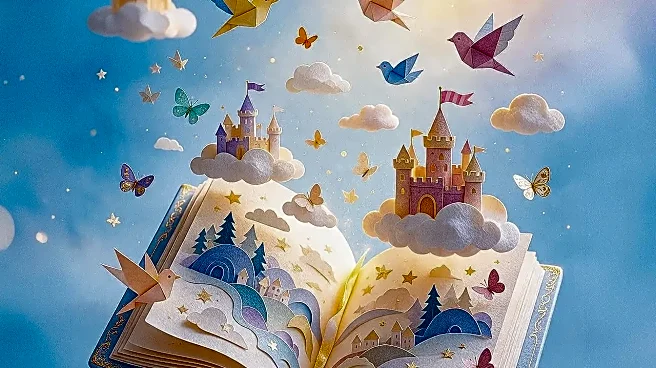
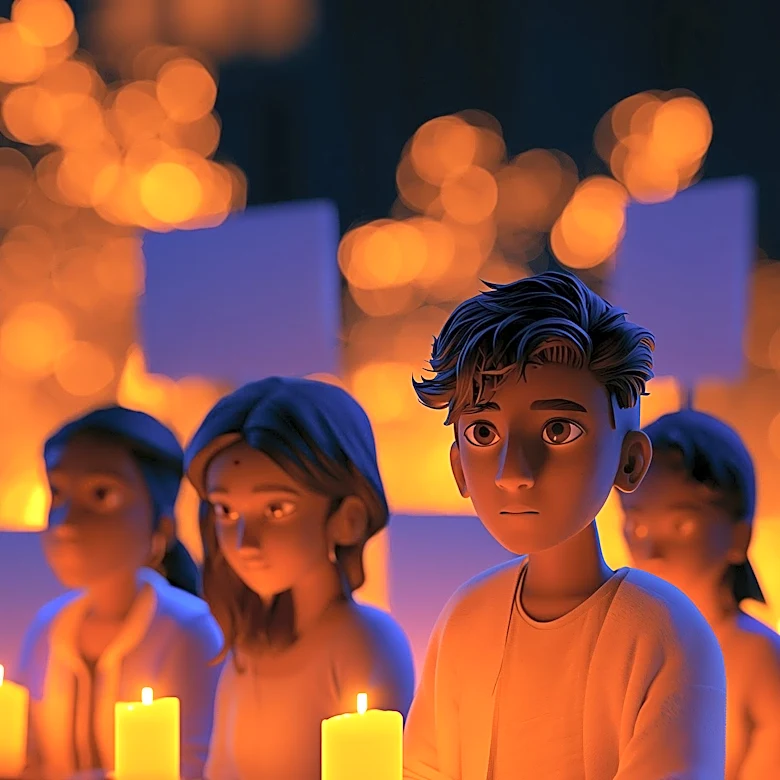
C.S. Lewis's 'The Magician's Nephew' presents a creation story that operates on a completely different plane. The story doesn't begin with a hero-in-the-making, but with two ordinary children, Digory and Polly, who stumble into a formless void. There, they become witnesses, not agents. The creation of Narnia isn't an accident; it is a deliberate, divine act performed by the great lion, Aslan. He doesn't gain power; he is power. He walks through the darkness and sings, and with his song, stars appear, the sun rises, and the very landscape, from mountains to rivers, is formed. Animals are literally sung into existence. The event is not chaotic or violent but orderly, beautiful, and filled with what Lewis describes as 'creative joy'. It is a top-down creation, an external act of cosmic will that establishes a perfect world from nothing.
The Protagonist's Role
Here lies the most fundamental split from the superhero model. In an origin story, the protagonist is the center of the universe; the narrative exists to explain how they became special. In Narnia's creation, the human characters are decidedly peripheral. Digory and Polly are merely observers, brought along by a chain of events initiated by Digory's foolish uncle. While Digory plays a crucial role—he is the one who foolishly awakens the evil Queen Jadis and brings her into the newly-formed world—he is not the source of power or the central hero. His journey is not about gaining superpowers, but about recognizing his mistake and seeking redemption. Aslan tasks him with a quest not to prove his heroism, but to fetch a magical apple that will protect the young land from the evil he introduced. His story is one of moral responsibility within a larger, divinely ordered framework, not one of individual empowerment.
The Nature of Good and Evil
Superhero stories often frame evil as a force to be overcome by a hero's strength and will. The conflict is externalized: a hero versus a villain. In 'The Magician's Nephew', evil is not a rogue's gallery to be punched. It's a corruption introduced into a perfect system. When Queen Jadis enters Narnia, she is a discordant note in Aslan's perfect song. The solution isn't for a hero to defeat her in a climactic battle, as there is no hero equipped to do so. Instead, the remedy is also an act of creation: planting a tree of protection. The narrative isn't about an individual rising to meet a challenge; it’s about a created order being established, immediately threatened by temptation and malice, and then receiving a measure of divine protection. The focus is cosmic, dealing with the fundamental nature of good, evil, and temptation from the very beginning.