




The Anatomy of a Cannes Moment
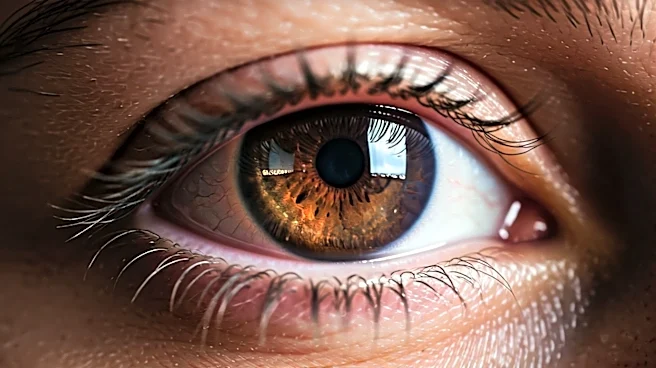
It happens every year on the French Riviera. A film concludes its world premiere, the lights come up, and a standing ovation begins. As the applause stretches from a polite gesture into a multi-minute endurance event, the festival's cameras pan away from the audience and zoom in, with surgical precision, on the faces of the film's cast and director. This is the moment the festival's real drama unfolds. The camera lingers, creating an extreme close-up that captures every glistening tear, every trembling lip, every furrowed brow. This isn't just a photographer in the crowd getting a lucky shot; it's a deliberate production choice. The live feed broadcasts these faces onto the giant screen inside the theater and, within minutes, sends them viral
across the globe. The face becomes a canvas, and the emotion, real or performed, becomes the story.
Emotion as a Form of Currency
In the hyper-curated, high-stakes environment of a major film festival, authentic emotion is the most valuable currency. A five-minute ovation is a data point, but a single tear rolling down a star’s cheek is a narrative. It's visual proof that the movie on screen wasn't just technically proficient; it was *moving*. It confirms for distributors, critics, and audiences that the film has heart. Think of Brendan Fraser's emotional response to the reception for 'The Whale' at the Venice Film Festival—a parallel and powerful example. Those images didn't just report on the film's welcome; they powered his entire Oscar-winning comeback story. At Cannes, a weeping director or a visibly overwhelmed actor provides the perfect, easily shareable marketing asset. It’s an argument that says, 'This film matters so much it broke the people who made it. Imagine what it will do to you.'
The Close-Up Creates the Argument
The headline's term 'argument' is key. The close-up shot frames the debate around a film before most of the world has even seen it. A shot of Anya Taylor-Joy or Chris Hemsworth beaming during the ovation for 'Furiosa' reinforces the idea of a triumphant blockbuster. When the cast of 'Anora' collectively celebrated its Palme d'Or win, their joyous faces became the story of an indie darling's victory. The close-up can anoint a newcomer, validate a career shift, or cement a veteran’s legacy. It turns a subjective film-watching experience into a clear-cut verdict rendered on a human face. The strategy is to distill a complex, two-hour film into a single, emotionally resonant image that can be understood in seconds on a social media feed. The argument is simple: a happy, crying face means 'See This Film,' while any other reaction invites speculation.
When the Cameras Catch a Different Story
Of course, this high-risk strategy can backfire spectacularly. The unblinking eye of the camera is not always a friend. The same close-up that can crown a king can also expose a flaw in the palace facade. An actor looking bored, a director seeming tense, or costars pointedly ignoring each other during that same standing ovation—these images become arguments of a different kind. They fuel rumors of on-set drama or suggest a film is a dud, regardless of the applause. This was the subtext of the 'Don't Worry Darling' press tour, where every glance and seating arrangement was scrutinized for signs of conflict. At Cannes, the close-up can capture the awkward silence after a film is booed or the forced smile of a star who knows their project has just flopped. The camera is there to build a narrative, and it will find one, whether it's the one the filmmakers were hoping for or not.