





More Than a Feeling
While fashion week always delivers visual spectacle, the true story of the most recent London collections wasn't just in how they looked, but in how they felt. Or rather, how they *looked like* they would feel. From the moody romance of Simone Rocha to the rugged
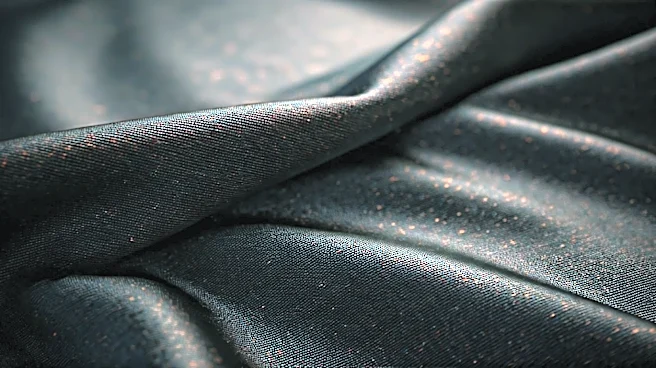
utility of Burberry, the most compelling designers moved beyond color and silhouette to tell stories with fabric itself. It was a collective pivot away from the slick, screen-friendly smoothness of recent years toward something more granular, cozy, and complex. This wasn't just about using fuzzy materials; it was a sophisticated dialogue about comfort, protection, and the enduring value of artisanship in an age of artificiality. Designers seemed to be asking: In a world of fleeting digital images, what feels real?
Simone Rocha: The Dark Romantic
No designer understands the power of texture quite like Simone Rocha, and her latest collection was a masterclass in its emotional impact. Known for her delicate-meets-dangerous aesthetic, Rocha pushed this narrative further, binding her signature tulles and diaphanous silks with faux-fur stoles that looked like captured beasts. She layered intricate tapestry corsets over sheer dresses, creating a tension between concealment and revelation. The effect was both beautiful and unsettling. Fabrics were crumpled, embellished with jet-black roses, or trapped within transparent layers, as if preserving fragile memories. For Rocha, texture isn't decoration; it’s a language. The roughness of a tapestry speaks of history, the softness of a fur trim suggests comfort, and the fragility of lace hints at a vulnerability that feels deeply human and resonant.
Erdem: The Narrative Weaver
If Rocha uses texture for emotion, Erdem Moralıoğlu uses it for storytelling. His collections are often deep dives into historical figures, and this season was no different, with a collection inspired by the off-stage life of opera singer Maria Callas. The clothes felt like they had lived a life before ever hitting the runway. Silks were artfully frayed and distressed, velvets were crushed as if they’d been packed away in a trunk for decades, and opulent brocades were given a faded, ghostly quality. A standout was the use of “slubbed” silk, a fabric with a naturally uneven texture, which gave gowns a sense of imperfection and history. By choosing materials that feel worn, loved, and even a little damaged, Erdem created a wardrobe that felt like a biography, each thread a part of a larger, more complex story.
Burberry: The Pragmatic Poet
Under Daniel Lee, Burberry is exploring a different kind of Britishness—one that’s less about pristine trench coats and more about the damp, tactile reality of the outdoors. This is where texture becomes protective and pragmatic, yet no less sophisticated. Lee’s vision is grounded in materials you want to reach out and touch: massive shearling collars on aviator jackets, impossibly chunky ribbed knits that feel like armor, and heavy wool coats with a satisfying, dense weight. Even the iconic Burberry check was reinterpreted in tactile fabrics like fuzzy mohair and soft fleece. This was texture as function-first luxury. It wasn't about delicate embellishment but about creating a sense of a cozy, personal shelter against the elements, proving that sophistication doesn't always have to be fragile.