





Ever wonder how red carpet gowns achieve that magical 'floating lace' or impossibly daring neckline? It's not double-sided tape. The secret is an unsung hero of couture design: a fine, structural mesh that makes fashion magic possible.
Meet Illusion Tulle
At the heart of
many of today's most breathtaking evening and bridal gowns is a material called illusion tulle or illusion mesh. It's a lightweight, sheer netting made from fine threads—often nylon or polyester—woven into a hexagonal mesh structure that is both delicate and surprisingly strong. Unlike the stiffer, more voluminous tulle you might find in a classic ballerina's tutu, illusion tulle is designed to be soft, subtle, and, most importantly, nearly invisible against the skin. The goal is to create the 'illusion' that the fabric isn't there at all, allowing decorative elements to seemingly hover on the body. To achieve this, designers use high-quality mesh in a variety of shades to find the best possible match for a person's skin tone, a crucial detail for making the effect seamless and convincing.
The Engineering of Elegance
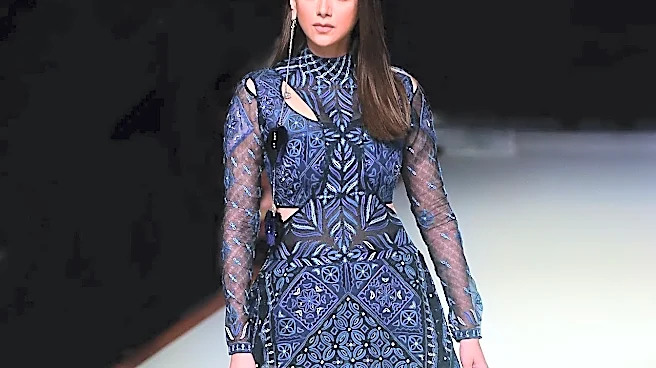
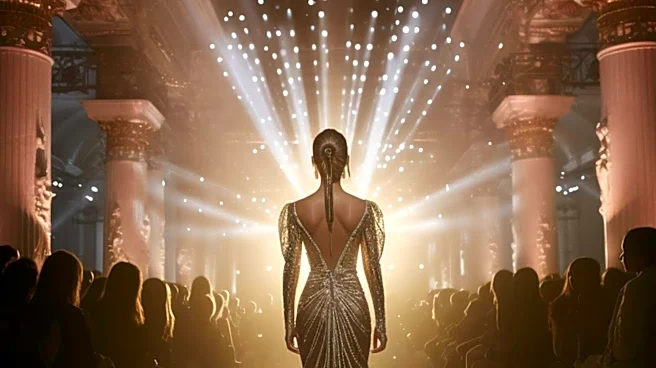
The genius of illusion mesh lies in its dual function: it is both an aesthetic and a structural element. While it appears delicate, it serves as a stable foundation for designers to attach heavy beading, intricate lace appliqués, and elaborate embroidery. This is what allows for those jaw-dropping designs where sparkling gems or floral lace seem to float across a wearer's back, shoulders, or neckline without any visible means of support. An illusion back, for example, gives the look of a dramatically open-backed dress but provides the structural integrity needed to keep the garment perfectly in place. Similarly, an illusion neckline can create the daring appearance of a plunging V-neck while offering the coverage and support of a full bodice, solving a fundamental conflict between a dress's look and its function.
Far More Than Fashion Tape
For decades, fashion tape was the go-to solution for securing a risky neckline or a wayward strap. But it's a temporary fix, prone to losing its stickiness and offering no real structural support. Illusion mesh, by contrast, is an integral part of the garment's construction. It’s not an afterthought; it’s a core component of the dress's architecture. Where tape simply sticks fabric to skin, mesh provides a reliable canvas that holds the entire design together. This gives designers immense creative freedom, allowing them to push boundaries with deep cutouts and 'naked dress' effects that would be impossible to achieve with tape alone. The mesh holds everything securely, so the wearer can move with confidence without fear of a wardrobe malfunction. While fashion tape solves a minor problem, illusion mesh makes entirely new kinds of dresses possible.
Spotting It on the Red Carpet
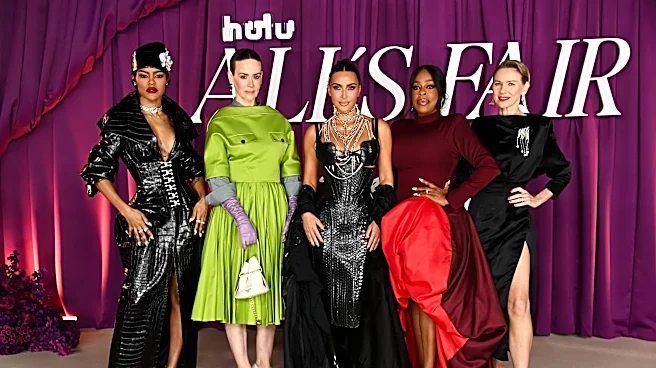
Once you know what to look for, you'll see illusion mesh everywhere in high fashion. It's the secret behind gowns that feature sheer panels with carefully placed embellishments, a popular trend with celebrities. Designers like Versace, Dolce & Gabbana, and Givenchy have used mesh to create iconic 'peekaboo' looks and dresses with intricate, seemingly suspended patterns. Whether it's a fine, skin-toned panel filling the space in a plunging neckline, sheer sleeves adorned with beading, or an entire bodice that appears transparent but is actually built on a strong mesh foundation, this fabric is a red carpet staple. It’s what gives modern formalwear its blend of daring aesthetics and sophisticated engineering, turning what looks like bare skin into a canvas for artistry.