





Not Just a Setting, a Character
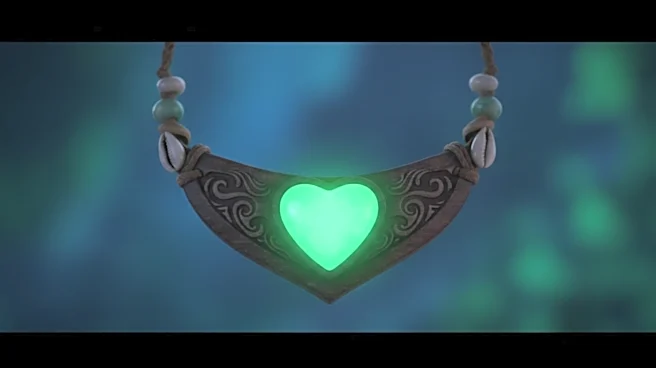
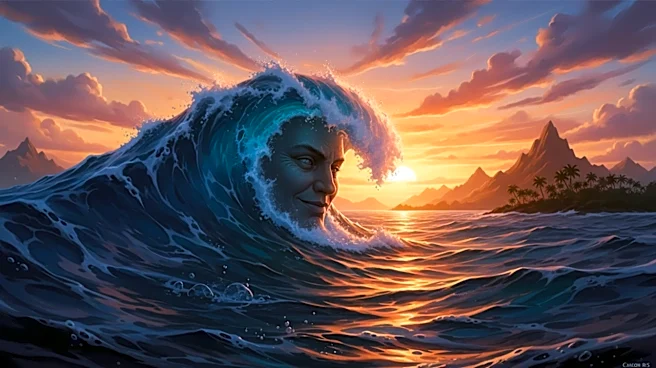
From the film's opening moments, it’s clear the ocean is more than just water. When Moana is a toddler, it playfully interacts with her, parting its waters and offering her a glimpse of the life-giving Heart of Te Fiti. This decision to personify the ocean was
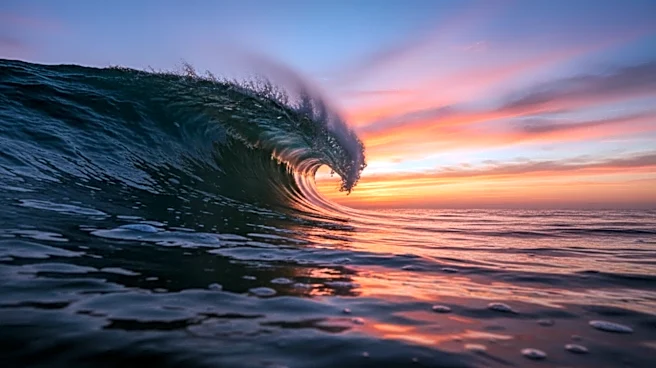
born from the filmmakers' research trips across Oceania. Directors Ron Clements and John Musker learned that many Pacific Islanders view the ocean not as a barrier, but as a living, connecting force. This cultural perspective became the film's creative anchor. The ocean isn't just a magical element; it’s a character with agency. It chooses Moana, nudges her toward her destiny, and acts as a guardian. Unlike the Red Sea in 'The Prince of Egypt,' which was parted by an external power, Moana’s ocean acts on its own volition, with its own personality and purpose.
The Technological Marvel
Making a character out of water, an element notoriously difficult to animate, was a monumental task. Simply put, the technology to do it didn't exist when production began. So, Disney’s animators had to invent it. The effects team, which made up a staggering 80% of the film's shots, developed groundbreaking software to pull it off. A key innovation was a program called “Splash,” which allowed them to control and direct the water in ways never before possible. The process was a unique collaboration between character animators and effects artists. First, character animators would block out the ocean’s performance using a simple, tentacle-like rig, sometimes described as a “sock puppet.” They would define the gestures, the timing, and the emotion. Then, the effects team would run complex simulations over that performance, layering on billions of individual water particles to create a believable, fluid entity that could seamlessly merge back into the wider sea.
A Personality Forged in Water
How do you give a personality to a character that has no face, no eyes, and no voice? For the 'Moana' team, the answer was performance. The ocean communicates entirely through movement. When it's playful with young Moana, it gently splashes and coifs her hair. When it wants to get a point across, it forms a watery arm to high-five her or firmly deposit her—and her boat—back on course. There’s a palpable sense of emotion in its actions. It can appear frustrated when it dumps Maui back on the boat after he tries to ditch Moana, or gentle when it presents her with the Heart of Te Fiti. These moments aren't random; they are specific “acting” choices. The animators had to figure out the physics of emotion: a slow, rising swell might convey thoughtfulness, while a sharp, quick splash could indicate excitement or urgency. This attention to behavioral detail is what elevates the ocean from a clever special effect to a genuine character.
The Ultimate Supporting Role
Perhaps the most brilliant aspect of the ocean’s character is its role as a mentor and supporter. It’s powerful, but it doesn't solve Moana's problems for her. It pushes her, guides her, and provides help, but only after she has tried to accomplish a goal herself. When Maui maroons her and steals her boat, the ocean waits for her to attempt to swim for it before giving her a ride. During the final confrontation with Te Kā, it parts to clear a path but leaves the heroic action to Moana. This restraint is crucial to the film’s theme of self-discovery. The ocean is the ultimate wingman; it empowers the hero without ever overshadowing her. It chose Moana not because she was perfect, but because she had the heart of a voyager, and it knew its role was to help her realize that potential on her own terms.