




1. Prioritize Modern Proportions
The fastest way a vintage outfit looks dated is through silhouette. Seventies flare pants, eighties shoulder pads, and nineties low-rise jeans all have strong associations. To make them feel current, you must consciously play with proportions. If you’re
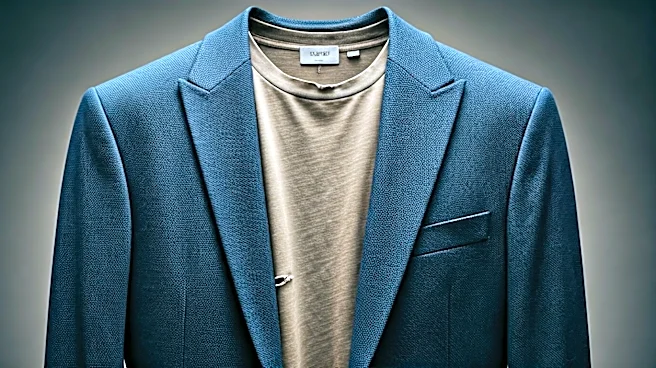
wearing a voluminous vintage piece, like a poet-sleeve blouse or a full A-line skirt, pair it with something sleek and contemporary on the other half. Think of a romantic 1970s blouse tucked into sharp, high-waisted modern trousers. Conversely, if you have a fitted vintage piece, like a pencil skirt or a tailored vest, give it breathing room with an oversized modern blazer or a relaxed-fit jean. It’s this intentional contrast in shapes that tells the world your look is a choice, not an accident.
2. Let Your Accessories Do the Talking
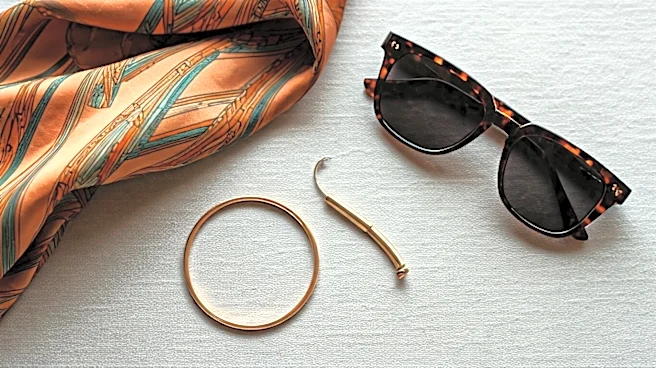
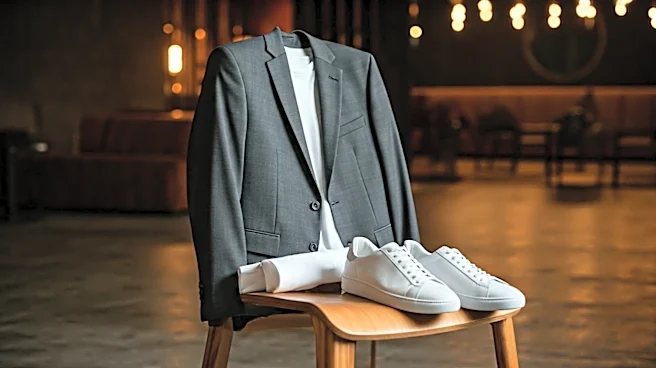
Accessories are your most powerful tool for grounding a vintage piece in the now. A classic 1950s swing dress can feel costumey on its own, but pair it with a pair of chunky platform sneakers and a minimalist crossbody bag, and it suddenly becomes edgy and cool. That structured 1980s blazer with the power shoulders? Ditch the matching skirt and wear it over a simple slip dress with delicate, layered gold necklaces. Think of your accessories as anchors to the present moment. Current eyewear shapes, a trending handbag style, or even just a pair of crisp, white leather sneakers can instantly neutralize the “retro” vibe of an archival garment and make it feel like a deliberate style statement.
3. Master the High-Low, Then-Now Mix
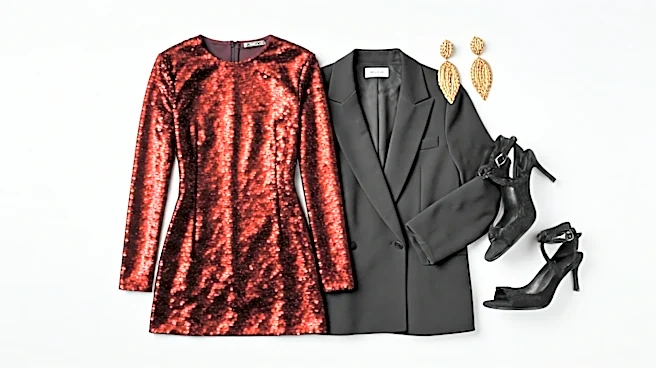
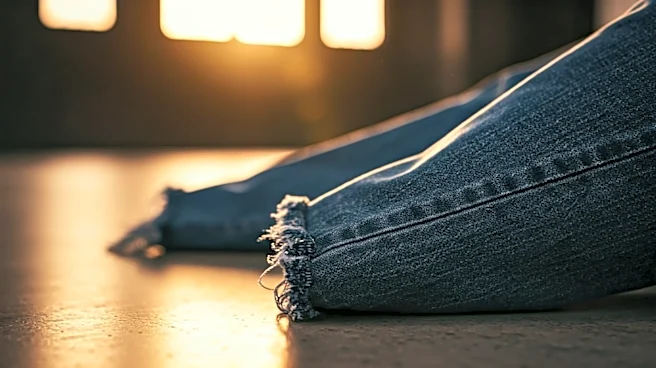
Context is everything. Wearing a vintage sequin top with matching trousers might scream disco revival, but wearing that same top with a pair of perfectly worn-in, distressed jeans creates a fascinating tension. This is the art of mixing dress codes and eras. Try pairing a formal vintage piece with something utterly casual. A silk Victorian-era blouse works surprisingly well with cargo pants. An ornate brocade jacket from the 60s can be thrown over a simple white t-shirt and leggings. This clash of formalities prevents the outfit from becoming a cohesive historical reenactment and instead turns it into a compelling, personal look.
4. A Fresh Beauty Look is Non-Negotiable
Nothing dates a vintage look faster than period-specific hair and makeup. Even if you’ve styled your 1960s mod dress perfectly, a beehive hairdo will transport you straight back to the past. The key is to juxtapose the vintage clothing with a completely modern beauty look. Think clean, dewy skin, brushed-up brows, and a simple, sleek hairstyle like a low bun or a sharp bob. This contrast signals that you are a modern person who appreciates vintage aesthetics, rather than someone trying to replicate a bygone era. Your face is the focal point of any outfit, and ensuring it looks fresh and current is the final, crucial step in making an archival piece feel alive today.
5. Invest in a Great Tailor
Vintage sizing is notoriously inconsistent, and fits from past decades were designed for different body ideals and undergarments. A piece that’s just slightly “off” in the shoulders, waist, or hemline can look sloppy and dated. A good tailor is your secret weapon. Shortening the hem of a frumpy midi-dress to a more modern length, taking in the waist of a boxy blazer, or removing puffy shoulder pads can completely transform a garment. These small adjustments make the piece look like it was made for you, creating a sharp, intentional fit that feels expensive and contemporary, erasing any hint of a thrift-store costume.