








The Anatomy of Expectation
Before a fall, there is always the climb. England entered the 2026 World Cup not just as a contender, but as a team burdened by immense expectation. After consecutive runner-up finishes at the European Championships in 2020 and 2024, the narrative was
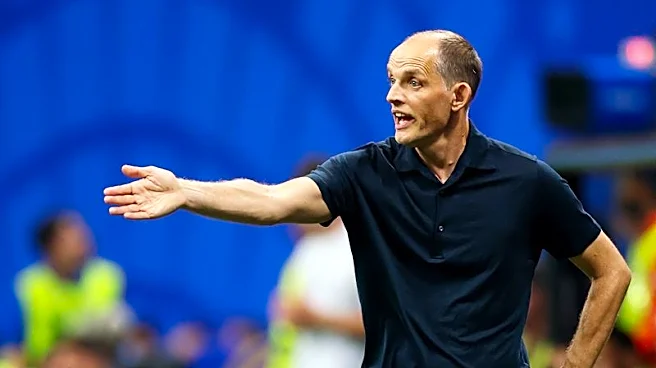
clear: this was their time. New manager Thomas Tuchel, a proven winner at the club level, was appointed specifically to provide the final piece of the puzzle that his predecessor, Gareth Southgate, couldn't find. The team navigated the tournament with a series of gritty, if not always graceful, victories, including a tense extra-time win against Norway. By the time they reached the semi-final against the defending champions, Argentina, a nation held its breath, believing this was the year the 60 years of hurt would finally end. They had the talent, the experience, and a manager hired to win. They were, in every sense, favorites to reach the final.
The Moment It All Unravels
For 55 minutes, the script went according to plan. England played arguably their best soccer of the tournament, culminating in a goal from Anthony Gordon. They were ahead, in control, and just 35 minutes from a historic World Cup final. And then, everything changed. In a decision that will be debated for years, Tuchel fundamentally altered his team's approach. He substituted attacking players for defenders, switching to a five-man backline and instructing his team to absorb pressure rather than apply it. It was a move born of caution, a decision to protect a lead rather than extend it. Pundits and fans watched in disbelief as England ceded all momentum. The vibrant, attacking team of the first hour vanished, replaced by a passive, retreating unit that invited Argentina onto them.
The Underdog's Advantage
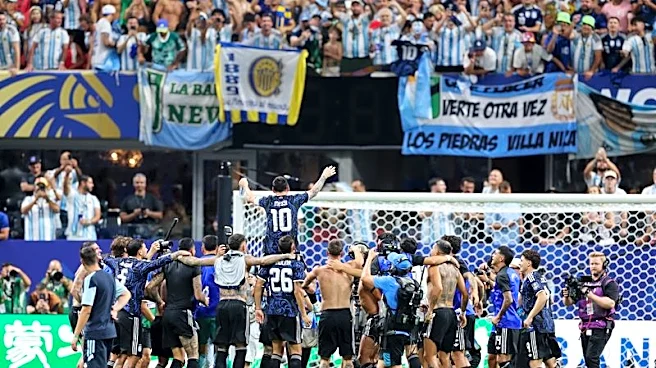
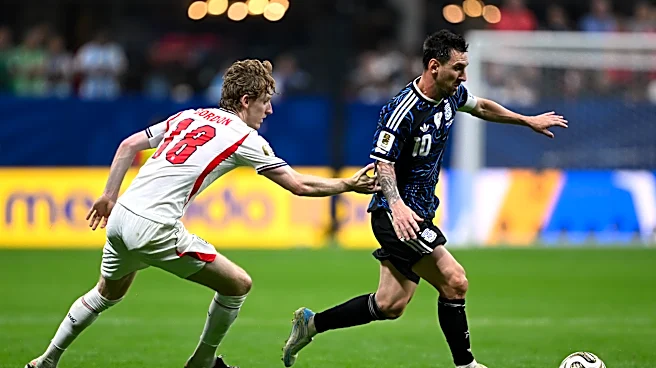
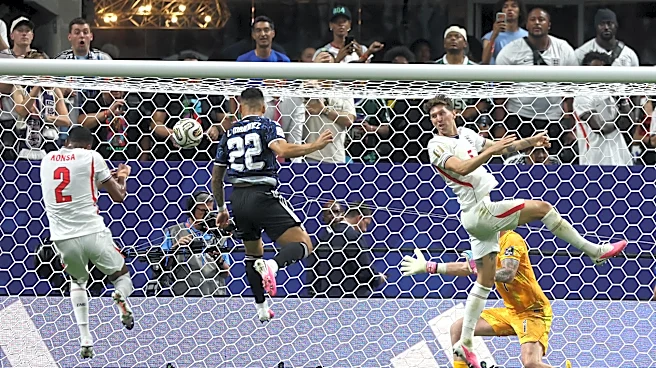
While England buckled under the weight of their lead, Argentina played with the freedom of a team with nothing left to lose. Lionel Messi, who had been quiet for much of the match, was suddenly given the time and space to orchestrate the attack. The defending champions, known for their late-game heroics throughout the tournament, sensed their opportunity. As England sat deeper and deeper, Argentina’s pressure became relentless. They hit the post, forced brilliant saves, and sent wave after wave of attacks. The equalizer felt inevitable, and it arrived in the 85th minute with a stunning strike from Enzo Fernández. Just seven minutes later, in stoppage time, a masterful cross from Messi found Lautaro Martínez, who headed home the winner. Argentina had capitalized on England's fear, turning a defensive strategy into a fatal vulnerability.
The Inquest and the Scapegoats
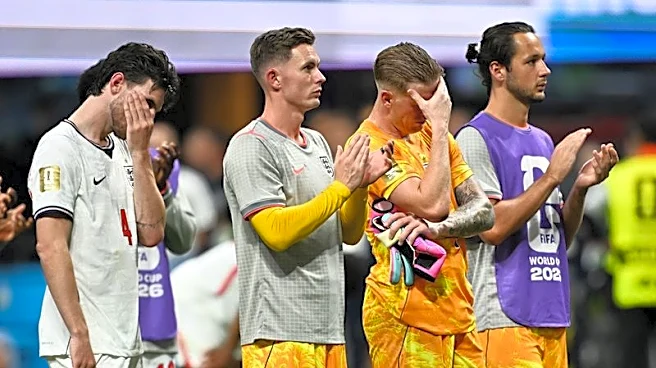
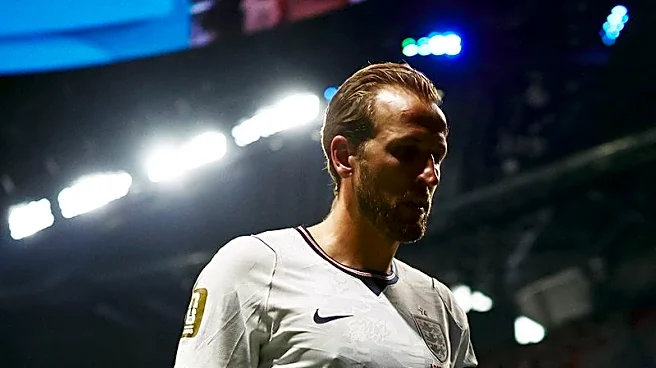
The aftermath was immediate and brutal. The same manager hired to be the difference-maker was now labeled the primary cause of the collapse. Pundits called the tactical shift inexplicable, even an act of 'cowardice'. Players admitted they became too passive and struggled to regain momentum once it was lost. Thomas Tuchel defended his decisions, stating he had no regrets and that the team simply couldn't keep the ball. But the consensus was clear: in the biggest moment, the manager had blinked. He had reverted to a style of play defined by the fear of losing rather than the ambition to win—the very thing he was hired to change. The loss was painful not just because it was a semi-final exit, but because it felt entirely self-inflicted.