








The Impossible Situation
Let’s set the scene in Ithaca. King Odysseus has been gone for twenty years—ten fighting the Trojan War, ten trying to get home. With the king presumed dead, his palace is overrun by 108 suitors, all vying to marry Queen Penelope and seize the throne.
They are eating her out of house and home, disrespecting her son, Telemachus, and creating immense political pressure. Penelope, a lone woman in a world run by men, can’t just kick them out. She lacks the physical force. Outright refusal is not a sustainable option, so she has to get creative. She needs to control the situation without appearing to do so.
The Perfect Delaying Action
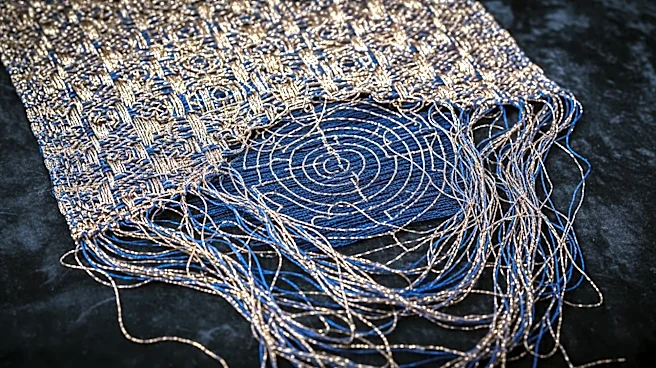
This is where the genius of her plan unfolds. Penelope addresses the suitors and seemingly agrees to their demands, but with one condition. She claims she must first weave a burial shroud for her aging father-in-law, Laertes. It's a pious, respectable task that no one can argue against. She promises that once the shroud is complete, she will choose a husband. The suitors, placated by a clear timeline, agree. So, every day, Penelope sits at her loom and weaves. But every night, under the cover of darkness, she secretly unravels the work she did that day. For three years, this cycle continues: weaving and unweaving, creating the illusion of progress while ensuring none is ever made.
More Than Just Buying Time
If you think this was just about stalling, you're underestimating her. The weaving trick was a performance. It was a story she told the suitors, one that gave them exactly what they wanted: a sense of impending resolution. By creating a task with a visible finish line, she managed their expectations and kept their aggression in check. The loom wasn’t just a tool for making cloth; it was an instrument for manipulating time itself. She created a loop, a state of perpetual limbo where the future—her forced remarriage—could never arrive. She symbolically stopped all change in Ithaca, keeping her world, and the throne, frozen until Odysseus could return.
Seizing Control of the Story
In a world where she had little direct power, Penelope used narrative to dominate her circumstances. The act of weaving is itself a form of storytelling, and by weaving and unweaving, she was literally writing and erasing the story of her own future. She was not a passive victim waiting for rescue; she was an active agent, every bit as cunning and strategic as her famous husband. While Odysseus was fighting monsters and outsmarting gods with his physical and mental prowess, Penelope was engaged in her own form of psychological warfare, using a traditionally feminine craft as her weapon. Her trick demonstrated that power isn't always about brute force; sometimes it’s about controlling the narrative.
The Unraveling and the Legacy
Ultimately, her scheme was discovered. After three years, a disloyal maidservant, Melantho, revealed the secret to the suitors, who then forced her to finish the shroud. But by then, the trick had served its purpose. It had bought precious years, allowing Telemachus to mature and, most importantly, giving Odysseus the time he needed to finally make it home. Even after being caught, Penelope didn't give up. She devised another clever test—the challenge of stringing Odysseus's bow—which she knew only her husband could win. This final gambit led directly to the suitors' demise and the restoration of order. Penelope's control of the narrative, established with her loom, held firm to the very end.